
Description
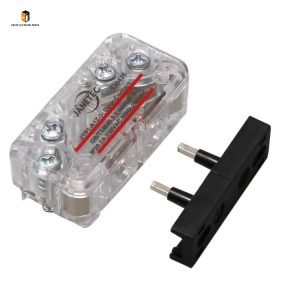
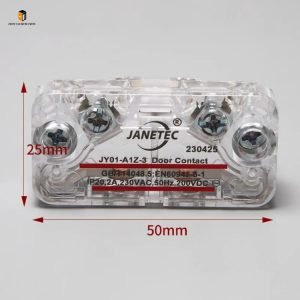
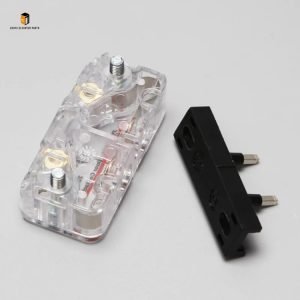
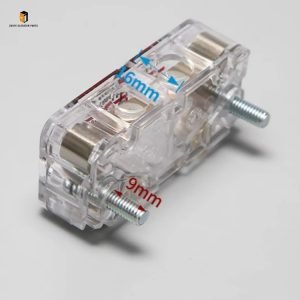
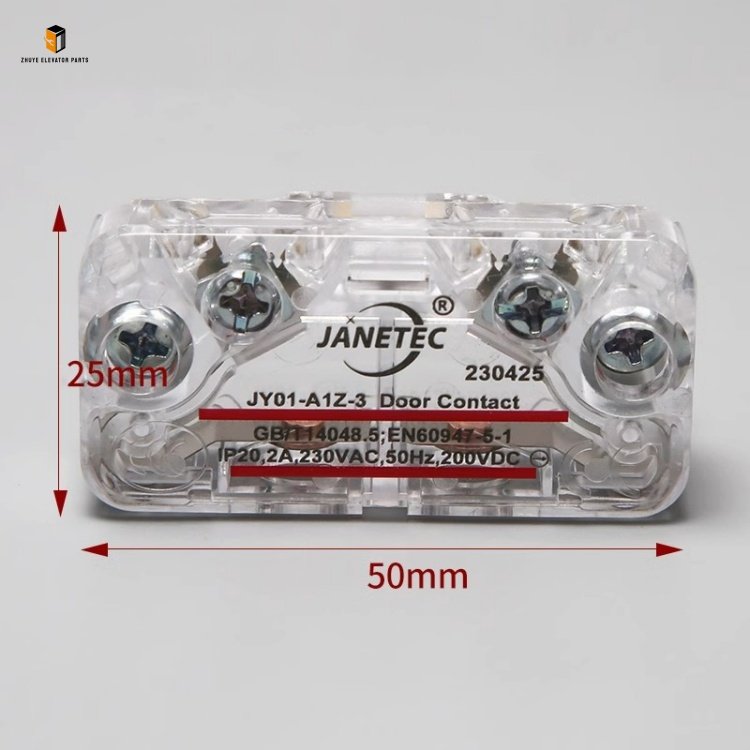
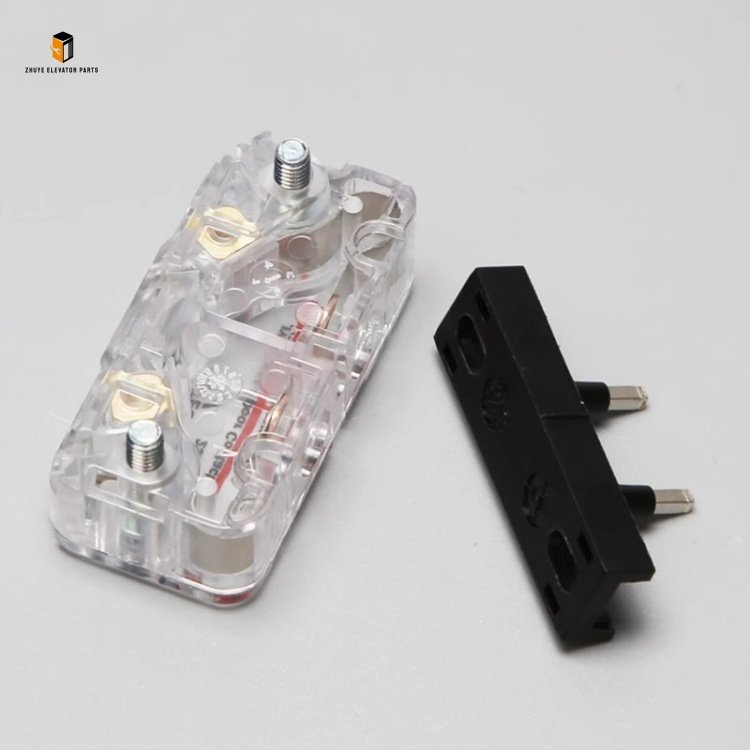
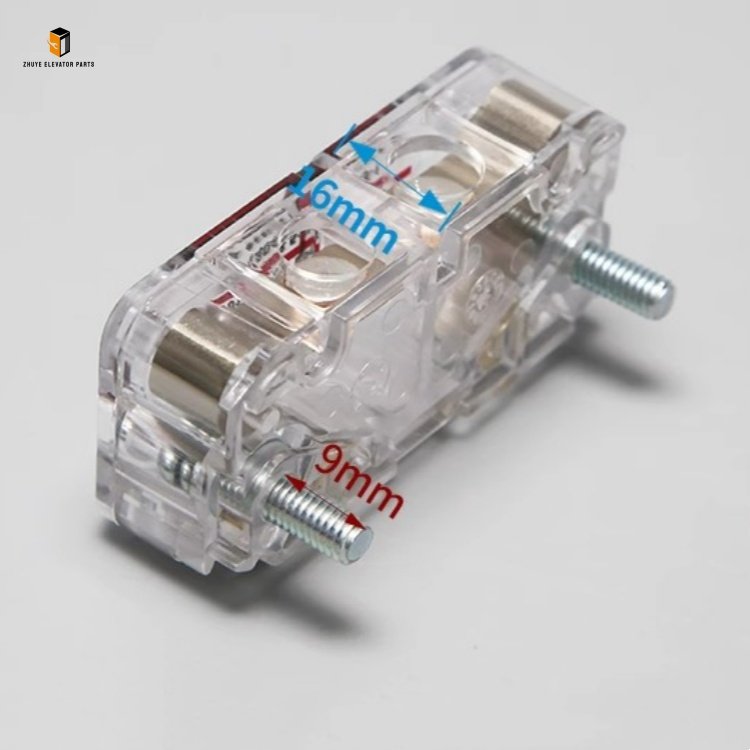
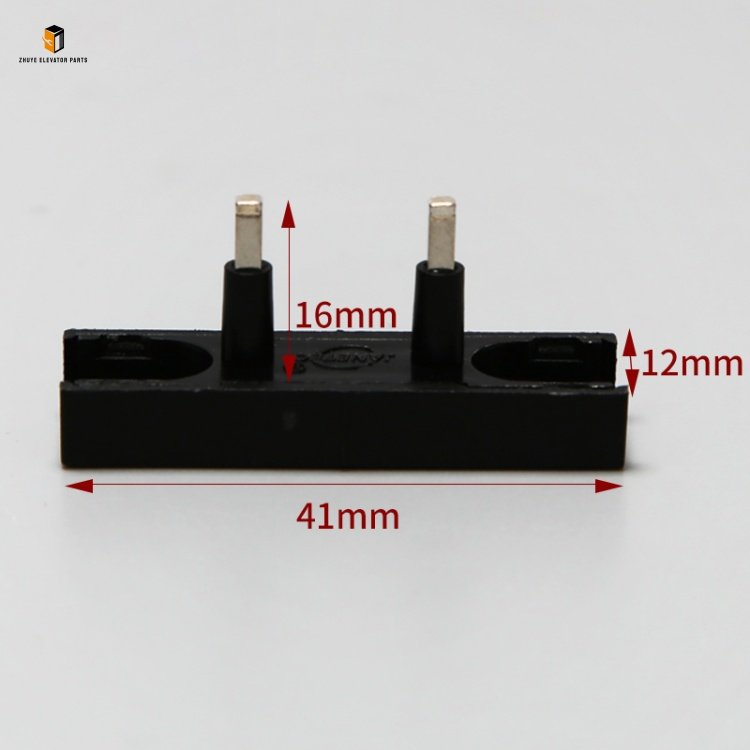
Elevator door lock contact switch JY01-A1Z-3 SEL1-A1Z Brief Introduction
|
Product Name |
Elevator door lock contact switch |
| Model Number | JY01-A1Z-3
SEL1-A1Z |
|
Quality
|
Original.Brand New
|
|
Payment
|
T/T. Paypal. Western Union
|
|
Delivery
|
3-5 Working Days
|
|
Packaging
|
Packed by carton
|
Elevator Door Lock Contact Switch JY01-A1Z-3 & SEL1-A1Z: Safety Core from Nanjing Zhuye Elevatorparts
Elevator Door Lock Contact Switches JY01-A1Z-3 and SEL1-A1Z are core electrical safety components for elevator door systems, serving as the “safety interlock” to ensure elevator operation safety. These two models are widely compatible with mainstream elevator brands and door lock mechanisms—JY01-A1Z-3 is designed for heavy-duty commercial elevators with high-frequency operation needs, while SEL1-A1Z is optimized for standard passenger elevators with balanced performance and cost-effectiveness. Both switches accurately detect the locking status of elevator hall doors and car doors, transmitting reliable electrical signals to the elevator controller: the elevator can only start when all doors are fully locked, and immediately stops if doors are unlocked abnormally during operation. Exclusively supplied byNanjing Zhuye Elevatorparts, a professional and trusted provider of high-quality elevator electrical components, these Elevator Door Lock Contact Switches (JY01-A1Z-3 & SEL1-A1Z) fully comply with international elevator safety standards (EN 81-20, GB 7588) and electrical switch technical specifications (IEC 60947). With sensitive triggering, stable contact performance, and strong environmental adaptability, they are widely applied in residential buildings, commercial complexes, office towers, airports, and industrial facilities worldwide.
Nanjing Zhuye Elevatorparts upholds the core philosophy of “Precise Contact, Safe Interlock” and enforces rigorous quality control throughout the production and inspection of JY01-A1Z-3 and SEL1-A1Z switches. Each unit undergoes multi-stage pre-delivery inspections, including contact resistance testing, mechanical life cycling, high-temperature and humidity resistance assessments, and compatibility verification. The switches incorporate advanced materials and manufacturing techniques: contacts are crafted from silver-nickel alloy to guarantee low contact resistance (≤ 50mΩ), strong arc ablation resistance, and stable electrical conductivity; the shell is made of flame-retardant engineering plastic (UL94 V0 grade) with an IP54 protection rating, effectively shielding against humidity, dust, and mechanical impact in elevator shafts; internal springs and lever mechanisms are constructed from high-strength stainless steel, ensuring a mechanical service life of ≥ 10 million operations for both models. Standardized mounting brackets and wiring interfaces enable seamless integration with corresponding elevator door lock systems, lowering installation and maintenance costs.
Step-by-Step Usage Guide for Elevator Door Lock Contact Switch JY01-A1Z-3 & SEL1-A1Z
To maximize the safety performance, service life, and compatibility of JY01-A1Z-3 and SEL1-A1Z switches, and to ensure the safe and stable operation of your elevator system, strictly follow the professional guidelines provided by Nanjing Zhuye Elevatorparts for model selection, installation, debugging, and maintenance:
1. Professional Selection & Installation
Installation must be performed by certified elevator technicians with expertise in door lock systems. Prior to installation, consult the compatibility manual from Nanjing Zhuye Elevatorparts to select the appropriate model: JY01-A1Z-3 is ideal for heavy-duty commercial elevators (with daily door opening/closing cycles ≥ 3000), while SEL1-A1Z is suited for standard passenger elevators. Confirm that the switch matches the elevator’s door lock type, control system voltage (AC/DC 24V-220V), and triggering stroke. Follow these installation steps:
-
Safety Preparation: Cut off the elevator’s main power supply and the dedicated door system power supply. Lock the power switch and place a “Maintenance in Progress” warning sign to prevent accidental power activation. Secure the elevator car and hall doors in the fully closed position using mechanical supports to avoid interfering with switch installation.
-
Switch Positioning & Installation: Mount the JY01-A1Z-3 or SEL1-A1Z switch on the elevator door lock mechanism (either car door or hall door side) using the mounting screws provided by Nanjing Zhuye Elevatorparts. Adjust the switch’s height and angle to ensure the door lock tongue accurately triggers the switch’s lever when the door is fully locked (trigger stroke for both models is 2–5mm). Ensure the switch is firmly installed without looseness or vibration.
-
Wiring Operation: Refer to the elevator door system wiring diagram and the switch user manual to connect the switch’s normally open/normally closed contacts to the corresponding terminals on the door controller. Use shielded cables for signal transmission to enhance anti-interference performance. Verify correct wiring polarity and secure terminal connections, then use a multimeter to check for short circuits or poor contact.
2. Debugging & Function Test
Debugging and function testing are vital to ensuring reliable switch operation. Follow these steps based on Nanjing Zhuye Elevatorparts’ technical guidelines (applicable to both models):
-
Trigger Accuracy Test: Restore the elevator’s power supply and switch to inspection mode. Manually operate the door lock to fully locked and unlocked positions, checking for accurate switch triggering (indicated by an audible “click”). Use a multimeter to test the switch’s contact on-off status, confirming the controller receives clear “locked/unlocked” signals.
-
Safety Interlock Test: Test the elevator’s interlock function—verify that the elevator cannot start if any door is open and stops immediately if doors are opened during operation. For JY01-A1Z-3 (used in heavy-duty scenarios), repeat the test 50 times to confirm stable performance under high-frequency use; for SEL1-A1Z, repeat 30 times to ensure reliability.
-
Emergency Protection Test: Simulate abnormal door lock failure (e.g., incomplete locking) to check if the switch can promptly cut off the elevator’s starting signal, preventing dangerous operation. Confirm the elevator controller displays no error codes related to the door lock contact switch.
3. Daily Operation & Routine Maintenance
Regular inspection and maintenance are key to early fault detection and ensuring long-term stable operation of both switch models. Maintenance personnel should integrate the following checks into their daily patrol routines:
-
Daily Visual Inspection: During elevator patrols, inspect the switch’s external condition. Ensure the shell is free of deformation, cracks, or corrosion; the lever mechanism is intact (no bending or jamming); and wiring is undamaged (no aging, wear, or loose connections). Monitor door opening/closing for abnormalities (e.g., startup difficulties, frequent alarms).
-
Weekly Electrical Test: Use a multimeter to measure the contact resistance of JY01-A1Z-3 and SEL1-A1Z switches. If resistance exceeds 200mΩ or signals are unstable, immediately clean the contacts with a professional contact cleaner. Adjust the switch’s position if triggering is insensitive or delayed.
-
Monthly Cleaning & Maintenance: Cut off the power supply, then clean the switch’s shell, lever, and terminals with a soft, dry cloth to remove dust and debris. Inspect terminals for oxidation and clean with a wire brush if needed. Lubricate the lever’s rotating shaft with the special lubricant recommended by Nanjing Zhuye Elevatorparts to ensure smooth movement.
Recommended Replacement Cycle for Elevator Door Lock Contact Switch JY01-A1Z-3 & SEL1-A1Z
As core safety components subjected to frequent contact wear, mechanical fatigue, and environmental erosion (humidity, dust, vibration), JY01-A1Z-3 and SEL1-A1Z door lock contact switches have a specified service life. Timely replacement is critical to avoiding issues such as poor contact, delayed response, or contact failure—problems that can lead to elevator operation errors, door lock malfunctions, or even serious safety accidents endangering passenger safety.
1. Standard Replacement Cycle
Under normal operating conditions (elevator daily operation time: 12–24 hours; daily door opening/closing cycles: ≥ 2000; ambient temperature: -10–60℃; humidity: 10%–95%), the recommended replacement cycle for both JY01-A1Z-3 and SEL1-A1Z switches is 4–5 years. This cycle is based on Nanjing Zhuye Elevatorparts’ long-term field operation data, contact wear tests, and global user feedback on elevator door systems.
-
Harsh Environments & High-Traffic Scenarios: For elevators in high-humidity coastal areas (exposed to salt spray corrosion), high-dust industrial sites, or ultra-high-traffic locations (e.g., large airports, central shopping malls) with daily door cycles ≥ 4000, the replacement cycle for both models is shortened to 2–3 years. For JY01-A1Z-3 used in heavy-duty freight elevators (daily load-bearing ≥ 5 tons), the cycle is further reduced to 1.5–2 years due to more frequent triggering.