
Description
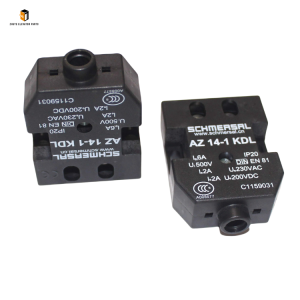
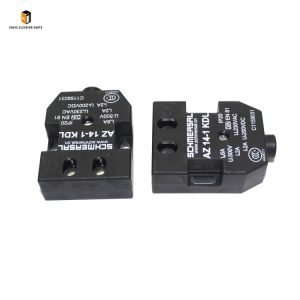
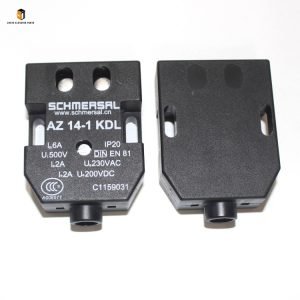
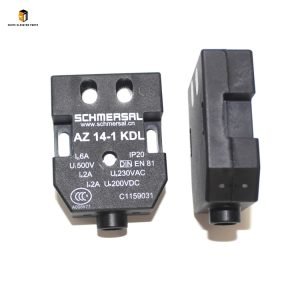
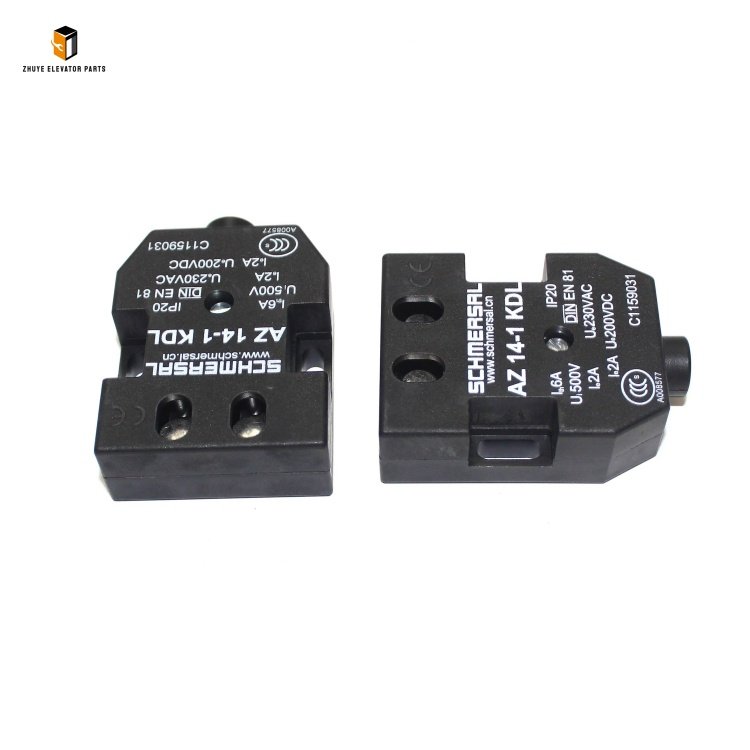
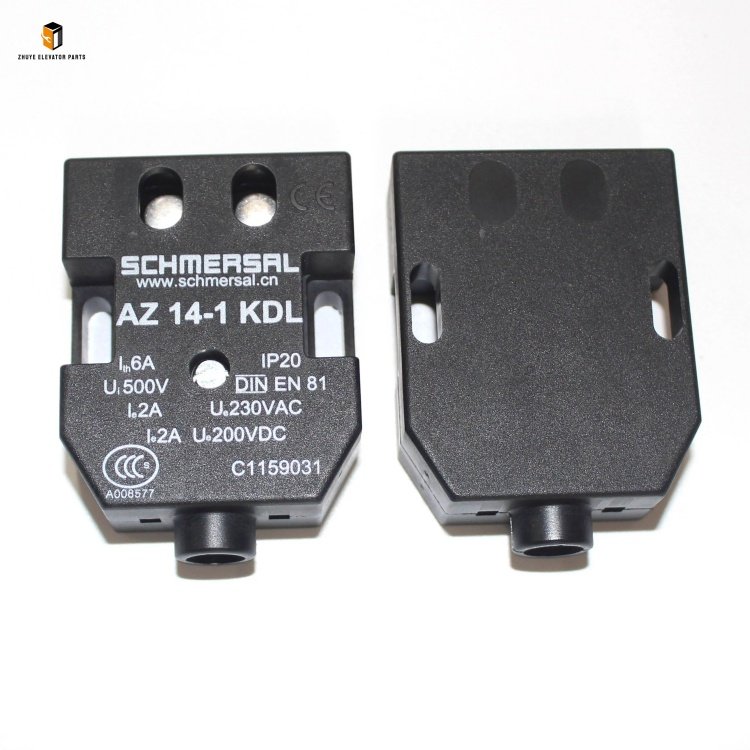
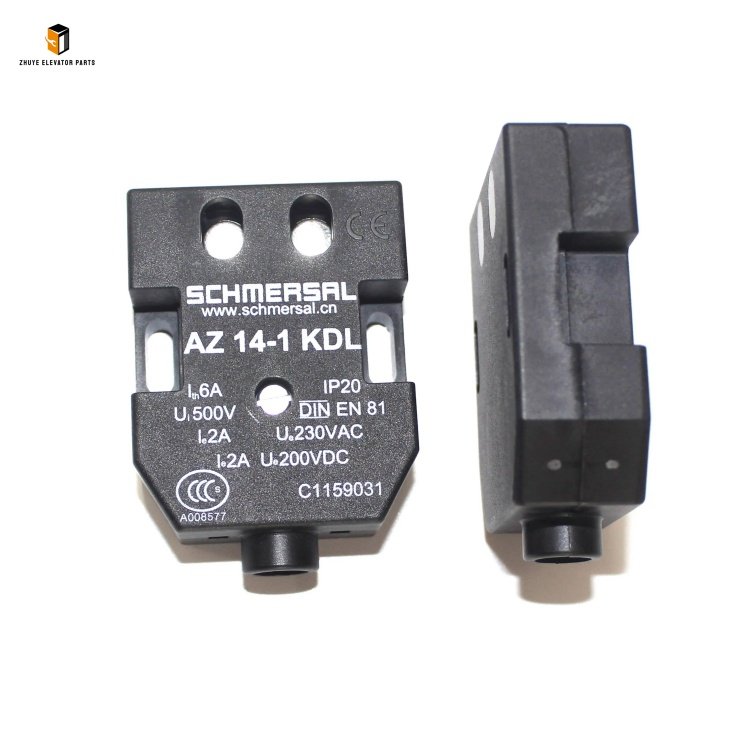
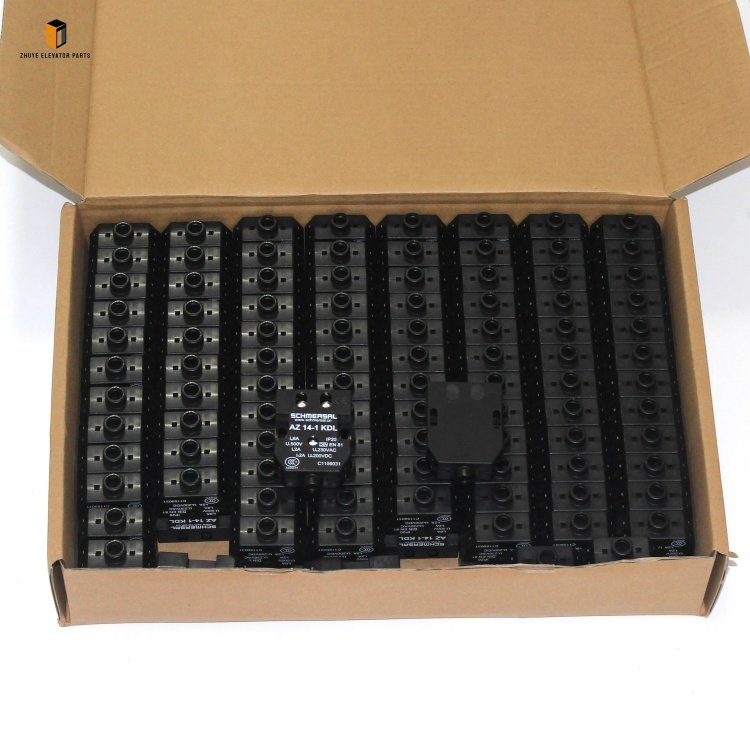
Elevator door lock contact A105D AZ14-1 KDL MK01 Brief Introduction
|
Product Name |
Elevator door lock contact |
| Model Number | A105D
AZ14-1 KDL MK01 |
|
Quality
|
Original.Brand New
|
|
Payment
|
T/T. Paypal. Western Union
|
|
Delivery
|
3-5 Working Days
|
|
Packaging
|
Packed by carton
|
Elevator Door Lock Contact A105D/AZ14-1/KDL/MK01: Reliable Signal Core from Nanjing Zhuye Elevatorparts
Elevator door lock contacts A105D, AZ14-1, KDL, and MK01 are critical signal transmission components for elevator door systems, specifically designed to monitor the locking status of elevator car doors and landing doors. These contacts act as “safety switches”—they only close the signal circuit when the doors are fully and securely locked, allowing the elevator control system to receive a valid signal and activate normal operation. As core components ensuring elevator door safety, their reliable performance directly determines the overall safety of elevator operation. The Elevator Door Lock Contact A105D/AZ14-1/KDL/MK01, exclusively supplied by Nanjing Zhuye Elevatorparts (a professional and trusted distributor of high-quality elevator safety components), fully complies with international elevator safety standards (EN 81-20, GB 7588) and is widely compatible with mainstream elevator brands. Featuring high contact reliability, strong wear resistance, and stable signal transmission, these door lock contacts provide reliable safety guarantees for elevators in residential buildings, commercial complexes, office towers, hospitals, and public facilities worldwide.
Nanjing Zhuye Elevatorparts adheres to the core philosophy of “safety first, quality-oriented” and implements strict quality control over each model of door lock contact (A105D, AZ14-1, KDL, MK01). Each contact undergoes a multi-stage pre-delivery inspection, including contact resistance testing, durability verification, electrical performance detection, and high-temperature and low-temperature resistance trials. These contacts adopt high-purity silver contacts, high-strength plastic shells, and precision spring structures: the silver contacts ensure low contact resistance (≤ 50mΩ) and excellent electrical conductivity, reducing signal transmission loss; the high-strength plastic shells have excellent insulation performance and impact resistance, adapting to the harsh environment of elevator shafts; the precision spring structures ensure stable contact pressure, avoiding poor contact caused by spring fatigue. All models feature standardized installation interfaces and dimension designs, enabling seamless replacement without modifying the original elevator door lock system.
Step-by-Step Usage Guide for Elevator Door Lock Contact A105D/AZ14-1/KDL/MK01
To ensure the reliable operation of the elevator safety system and extend the service life of A105D/AZ14-1/KDL/MK01 door lock contacts, follow the professional guidelines provided by Nanjing Zhuye Elevatorparts for installation, operation, and maintenance:
1. Professional Installation & Commissioning
Installation must be performed by certified technicians familiar with elevator safety systems. Prior to installation, confirm the compatibility of the target contact model (A105D/AZ14-1/KDL/MK01) with the elevator door lock system using the detailed compatibility manual provided by Nanjing Zhuye Elevatorparts. The steps are as follows:
-
Safety Preparation: Cut off the elevator’s main power supply and hang a “Maintenance in Progress—Do Not Power On” sign at the power switch. Fix the elevator car to a safe position and lock the door in the closed state using a safety bracket. Locate the door lock contact installation position on the car door and landing door, and clean the area to remove dust, oil stains, and debris that may affect contact performance.
-
Contact Installation: Align the door lock contact (A105D/AZ14-1/KDL/MK01) with the preset installation holes on the door lock mechanism, and fix it firmly using high-strength screws provided by Nanjing Zhuye Elevatorparts. Ensure the contact’s actuating pin is accurately aligned with the door lock’s trigger mechanism—when the door is fully closed, the trigger mechanism presses the actuating pin to close the contact; when the door is opened, the pin resets to open the contact. The tightening torque of the screws must comply with the elevator’s technical requirements (typically 8–12 N·m) to prevent loosening due to vibration.
-
Electrical Wiring & Calibration: Follow the elevator wiring diagram and Nanjing Zhuye’s technical guidance to connect the contact’s terminals to the elevator control system. Ensure the wiring is tight, the positive and negative poles (if applicable) are correctly connected, and the insulation layer is intact to avoid short circuits. After wiring, calibrate the contact’s triggering stroke: adjust the contact’s installation position so that it is exactly closed when the door lock’s lock hook is fully engaged, and opened immediately when the lock hook is slightly released.
-
Post-Installation Testing: Restore the power supply and conduct comprehensive safety tests. Test the contact’s signal transmission: close the doors and check if the control system displays “doors locked” normally; open the doors and confirm the control system immediately receives the “doors unlocked” signal and prohibits elevator operation. Conduct at least 30 cycles of door opening and closing tests to ensure the contact operates stably without signal delay or misoperation.
2. Daily Operation & Routine Inspection
Regular inspections are crucial to early detection of contact faults and ensuring elevator safety. Maintenance personnel should incorporate the following checks into their daily patrols:
-
Daily Visual Inspection: During elevator maintenance, check the external state of the door lock contact through the door inspection window. Ensure the plastic shell is free of cracks, deformation, or corrosion; check the actuating pin for jamming or damage; confirm that the wiring terminals are tight and the wires are not loose or broken.
-
Weekly Functional Check: Operate the elevator in maintenance mode to test the contact’s sensitivity. Close the doors and use a multimeter to detect the contact’s on-off status (closed contact: low resistance; open contact: infinite resistance). Open the doors and recheck to ensure the contact switches status accurately. If there is signal delay, poor contact, or failure to switch, inspect the contact and trigger mechanism immediately.
-
Monthly Parameter Monitoring: Use a micro-ohmmeter to detect the contact’s resistance (normal value ≤ 50mΩ). If the resistance exceeds 100mΩ, it indicates contact oxidation or wear, requiring cleaning or replacement. Check the contact’s actuating pin for wear—if the wear depth exceeds 1mm, take maintenance measures immediately.
3. Regular Maintenance Schedule
Systematic maintenance can effectively extend the service life of A105D/AZ14-1/KDL/MK01 door lock contacts. Follow Nanjing Zhuye Elevatorparts’ recommended maintenance plan:
-
Quarterly Maintenance: Disconnect the power supply, remove the contact, and clean the contact surface with a professional contact cleaner (provided by Nanjing Zhuye Elevatorparts) to remove oxidation and dust. Apply a small amount of contact lubricant to the silver contact surface to reduce wear and oxidation. Reinstall the contact and recheck its triggering accuracy and signal transmission performance.
-
Semi-Annual Performance Test: Conduct a comprehensive performance test, including contact resistance, triggering accuracy, and durability. Use a professional door lock tester to simulate various door closing scenarios and ensure the contact switches status reliably. For elevators in harsh environments (such as high humidity, high dust, or frequent door operation), increase the frequency of performance tests.
-
Annual Professional Overhaul: Arrange a professional inspection with Nanjing Zhuye Elevatorparts’ certified technical team. Replace aging or worn contacts with genuine parts of the same model. Inspect the door lock’s trigger mechanism for wear or deformation that may affect contact performance, and repair or replace it if necessary. Conduct a full-range safety calibration to ensure the contact and door lock system operate in sync.
Recommended Replacement Cycle for Elevator Door Lock Contact A105D/AZ14-1/KDL/MK01
As core safety components bearing long-term mechanical wear and electrical oxidation, A105D/AZ14-1/KDL/MK01 door lock contacts have a specified service life. Timely replacement is critical to avoiding contact failure, which may lead to incorrect door lock signals, causing the elevator to run with doors unlocked or fail to run normally, posing serious safety risks to passengers.
1. Standard Replacement Cycle
Under normal operating conditions (elevator daily operation time 12–24 hours, door opening/closing times ≥ 1,000 times per day, environment temperature -10–60℃, humidity 10%–90%), the recommended replacement cycle for A105D/AZ14-1/KDL/MK01 elevator door lock contacts is 2–3 years. This cycle is determined based on Nanjing Zhuye Elevatorparts’ long-term field data, including contact wear tests, oxidation analysis, and actual safety operation feedback.
2. Adjustments for Special Scenarios
-
Harsh Environments: For elevators in high-humidity coastal areas, high-dust construction sites, elevators with frequent door operation (more than 2,000 times per day), or environments with strong electromagnetic interference, the replacement cycle should be shortened to 1.5–2 years. Harsh conditions accelerate contact oxidation, shell corrosion, and spring fatigue, significantly reducing the contact’s reliability.
-
Low-Frequency Use Scenarios: For elevators with low usage frequency (e.g., villa elevators, small office buildings with daily door opening/closing times < 300 times) and clean, stable environments, the replacement cycle can be appropriately extended to 3–4 years—only if Nanjing Zhuye’s professional inspection confirms that the contact’s resistance, triggering performance, and structural integrity are all intact.
3. Immediate Replacement Conditions
Replace the door lock contact (A105D/AZ14-1/KDL/MK01) immediately if any of the following issues occur, regardless of service life:
-
The contact resistance persistently exceeds 100mΩ, and the fault cannot be restored through cleaning or maintenance.
-
The contact fails to switch on/off normally, leading to incorrect door lock signals (e.g., the elevator thinks the doors are locked when they are open).
-
The plastic shell is severely cracked or deformed, or the actuating pin is damaged, making it impossible to trigger the contact normally.
-
The contact has obvious signs of burning or melting, posing fire risks or affecting electrical safety.
In conclusion, the Elevator Door Lock Contact A105D/AZ14-1/KDL/MK01 supplied by Nanjing Zhuye Elevatorparts is a high-quality, reliable safety component tailored for elevator door systems. By following the correct usage methods, maintenance schedules, and replacement cycles, elevator maintenance teams can effectively ensure the safe operation of the elevator door system, protect passenger safety, and minimize safety risks. Choosing Nanjing Zhuye Elevatorparts means you get not only authentic A105D/AZ14-1/KDL/MK01 door lock contacts but also professional technical support, including installation guidance, maintenance advice, and prompt after-sales service.