Description
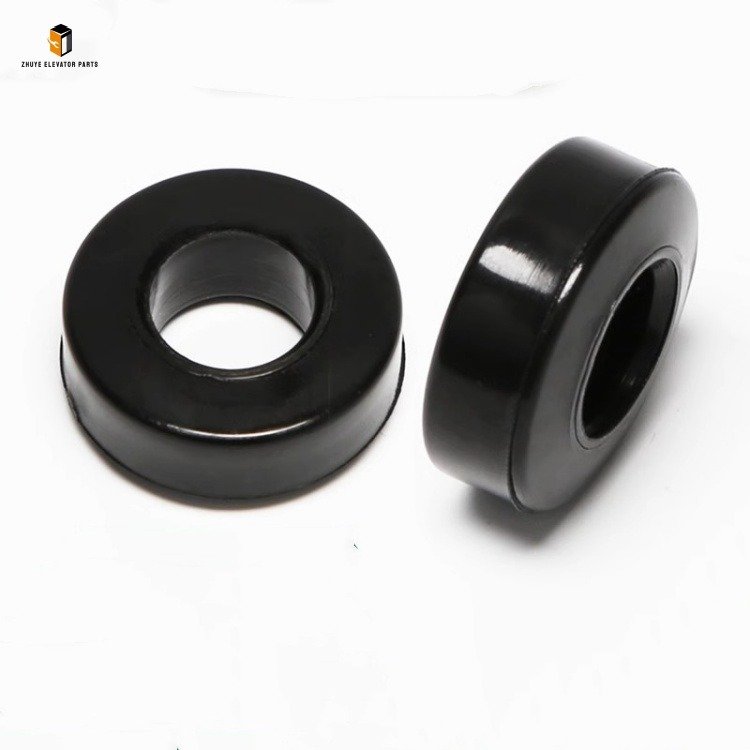
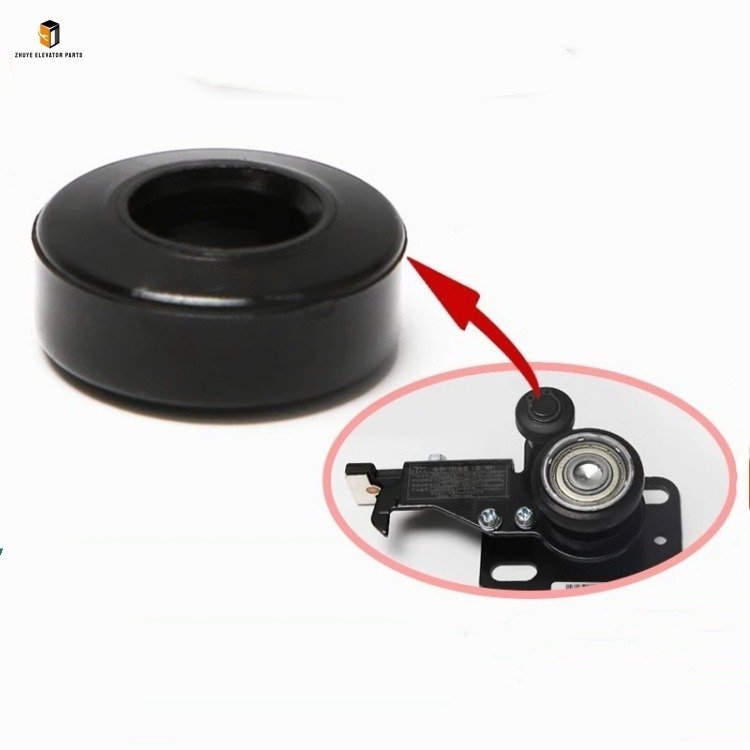
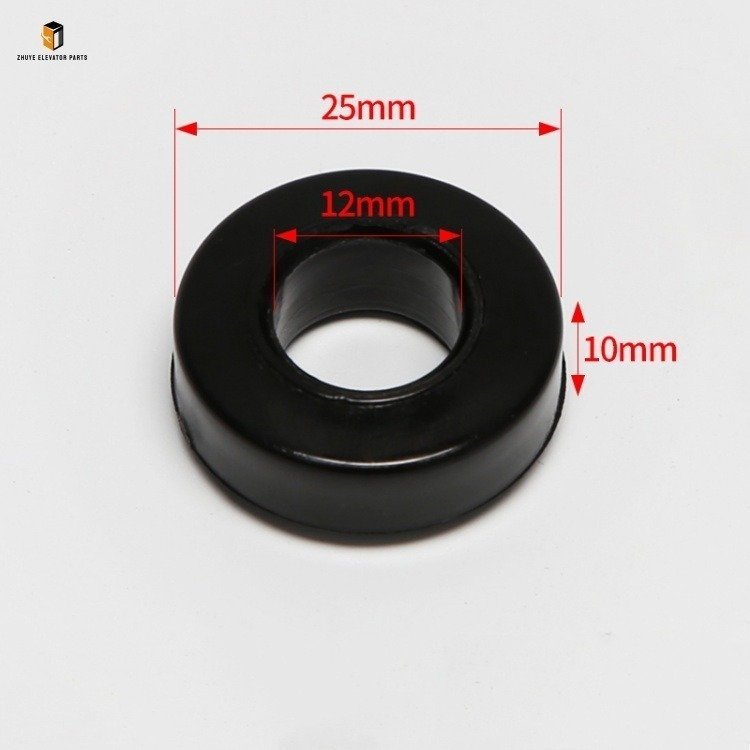
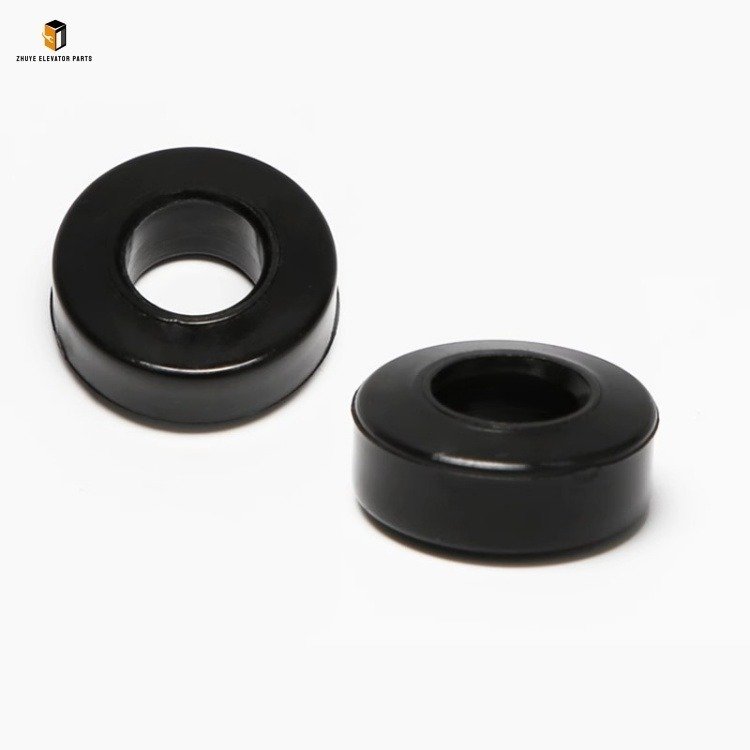
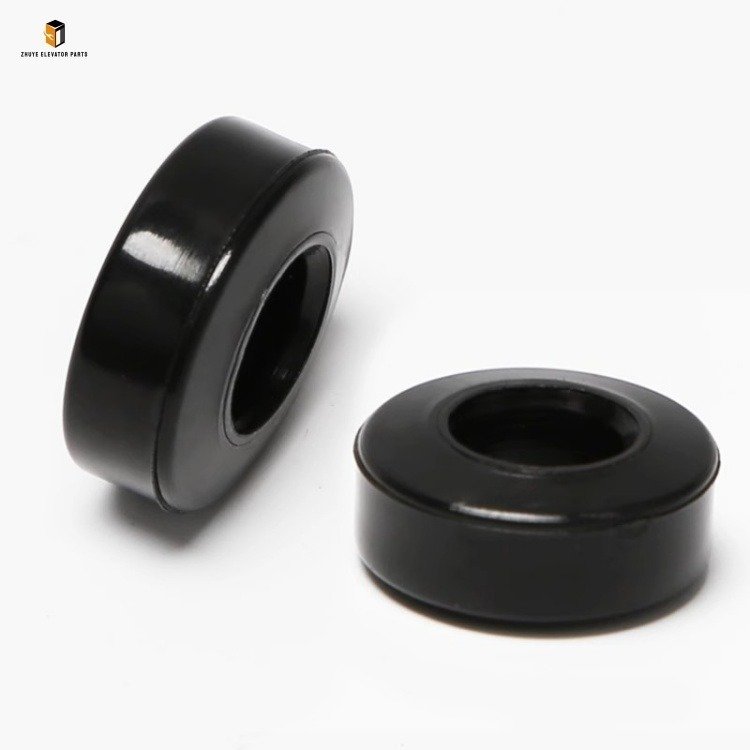
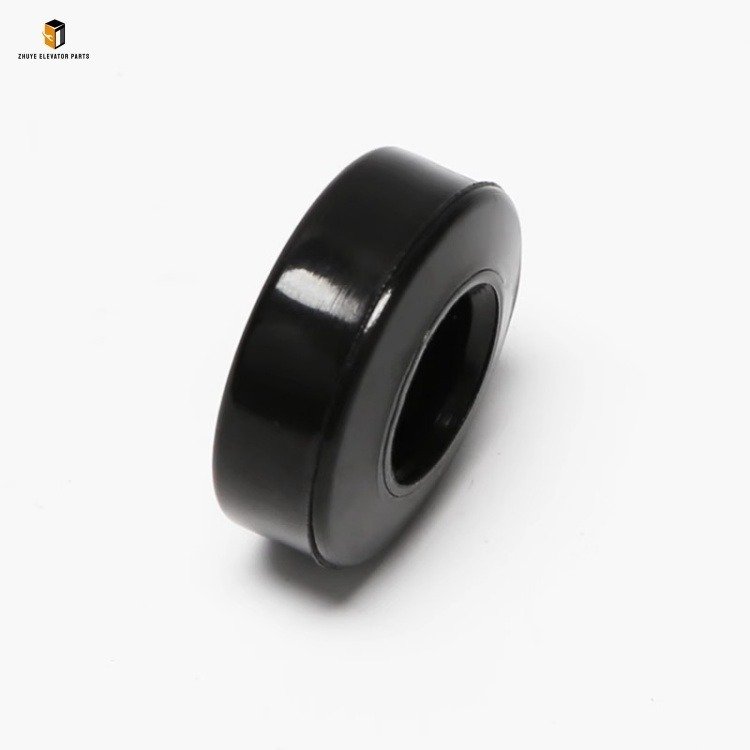
Elevator door lock ball applicable to door lock FEL-161A Brief Introduction
|
Product Name |
Elevator door lock ball |
| Model Number | applicable to door lock FEL-161A |
|
Quality
|
Original.Brand New
|
|
Payment
|
T/T. Paypal. Western Union
|
|
Delivery
|
3-5 Working Days
|
|
Packaging
|
Packed by carton
|
Elevator Door Lock Ball for Door Lock FEL-161A – Nanjing Zhuye Elevatorparts
The elevator door lock system is a critical safety barrier for elevator operation, and the door lock ball is a core mechanical component that ensures the FEL-161A door lock achieves reliable latching. The Elevator Door Lock Ball designed for FEL-161A door lock, provided by Nanjing Zhuye Elevatorparts, is a high-precision mechanical component tailored for elevators equipped with FEL-161A door lock systems. It is widely compatible with mainstream elevator brands using FEL-161A door locks, such as Schindler, OTIS, and KONE, playing a vital role in the latching and unlocking process of the elevator door. This door lock ball features precise dimensions, high wear resistance, and excellent impact resistance, ensuring smooth engagement with the door lock latch and reliable locking of the elevator door. Crafted with high-hardness stainless steel (HRC ≥ 55) and subjected to precision grinding and heat treatment, it meets international elevator safety standards (EN 81-20, GB 7588) and has become a trusted choice for global elevator maintenance teams and manufacturers.
Nanjing Zhuye Elevatorparts adheres to the core philosophy of “Precision Latching, Durable Use” and implements strict quality control throughout the production process of the Elevator Door Lock Ball for FEL-161A door lock. Each unit undergoes rigorous testing, including dimensional accuracy calibration, hardness testing, wear resistance testing, and impact resistance assessment. The door lock ball has a precise diameter tolerance (±0.01mm) to ensure a perfect fit with the FEL-161A door lock latch, avoiding jamming or loose latching. The high-hardness stainless steel material effectively resists wear caused by long-term mechanical friction, with a service life that is 30% longer than ordinary carbon steel balls. The surface is treated with anti-corrosion plating, which can withstand the harsh environment of the elevator shaft (such as high humidity, dust, and slight salt spray), preventing rust and corrosion. Additionally, the smooth surface finish (Ra ≤ 0.8μm) ensures minimal friction during the latching process, reducing wear on the door lock latch.
Usage Guide for Elevator Door Lock Ball (For Door Lock FEL-161A)
Correct installation, inspection, and maintenance are crucial to ensuring the reliable performance of the Elevator Door Lock Ball for FEL-161A door lock. Nanjing Zhuye Elevatorparts emphasizes that only certified elevator maintenance technicians are allowed to perform related operations, as improper use may lead to door lock failure or serious elevator safety hazards.
1. Pre-Installation Preparation
1. Pre-Installation Preparation
First, confirm that the elevator’s MAC car lighting controller model matches the POWCV24181MH power supply (check parameters such as input voltage, output voltage, output current, and installation dimensions). Consult Nanjing Zhuye Elevatorparts’ technical team if there is any uncertainty about compatibility. Then, cut off the elevator’s main power supply and the secondary power supply for the car lighting system, lock the switch, and place a “Maintenance in Progress” warning sign at the elevator landing doors and machine room entrance. Locate the power supply installation position (usually on the car top or in the car control cabinet) and clean the area to remove dust, debris, and oil stains. Finally, prepare professional tools such as a screwdriver, wire stripper, multimeter, and insulation tester, and check that the new POWCV24181MH power supply from Nanjing Zhuye Elevatorparts is intact (no damage to the shell, no loose pins).
First, confirm that the door lock model is FEL-161A and that the purchased door lock ball from Nanjing Zhuye Elevatorparts matches the specifications (check diameter, material, and installation groove size). Consult Nanjing Zhuye Elevatorparts’ technical team if there is any uncertainty about compatibility. Then, cut off the elevator’s main power supply and the secondary power supply for the door lock system, lock the switch, and place a “Maintenance in Progress” warning sign at the landing doors and machine room entrance. Fix the elevator door in a closed state with wooden wedges to prevent accidental movement. Finally, prepare professional tools such as a screwdriver, pliers, caliper, and lubricating oil, and clean the FEL-161A door lock assembly to remove dust, debris, and old lubricant residues.
Debugg2. Installation & Calibration
2. Installation & Wiring
Disassemble the FEL-161A door lock cover using a screwdriver to expose the door lock ball installation groove. Take out the old door lock ball (use pliers to gently press the retaining clip and remove the ball). Inspect the installation groove for wear, deformation, or corrosion—repair or polish the groove if necessary. Take the new door lock ball from Nanjing Zhuye Elevatorparts, apply a thin layer of special elevator lubricating oil to its surface, and place it into the installation groove. Install the retaining clip back to fix the ball (ensure the ball can rotate flexibly without jamming). Reinstall the door lock cover and tighten the fixing screws. After installation, debug the door lock: Manually open and close the elevator door to check if the door lock ball engages and disengages with the latch smoothly; confirm the door lock is fully locked when the door is closed and unlocked smoothly when the door is opened. Use a caliper to check the gap between the ball and the latch to ensure it is within the range specified by the FEL-161A door lock manual.
Debugg3. Operation & Daily Maintenance
Remove the wooden wedges fixing the door, restore the power supply, and switch the elevator to inspection mode. Operate the door to open and close 10-20 times repeatedly to check the door lock’s working stability—there should be no abnormal noise, jamming, or failure to lock. After 2 hours of stable operation, stop the elevator and inspect the door lock ball again to confirm no abnormal wear or loosening. For daily maintenance, inspect the door lock ball during weekly door system patrols: Check if the ball is loose, stuck, or has obvious wear; confirm the retaining clip is intact; apply lubricating oil to the ball and installation groove every 2 months to reduce friction. Every 3 months, use a caliper to measure the ball’s diameter (replace if wear exceeds 0.2mm); every 6 months, disassemble the door lock cover to thoroughly clean the ball and installation groove, removing accumulated dust and old lubricant.
Replacement Cycle of Elevator Door Lock Ball (For Door Lock FEL-161A)
The replacement cycle of the Elevator Door Lock Ball for FEL-161A door lock is closely related to the frequency of door opening and closing and the operating environment. Under normal circumstances (elevator daily operation 12-24 hours, daily door opening and closing times ≥ 1000, operating environment dry and low-dust, regular lubrication), Nanjing Zhuye Elevatorparts recommends a replacement cycle of 2-3 years. This cycle is determined based on long-term field operation data, wear tests, and material aging analysis, fully considering the wear of the stainless steel ball surface and the fatigue of the retaining clip.
For elevators in high-traffic areas (e.g., large shopping malls, airports with daily door opening and closing times ≥ 2000) or harsh environments (e.g., coastal areas with high salt spray, industrial sites with heavy dust, high-humidity regions), the replacement cycle should be shortened to 1-1.5 years. High-frequency mechanical friction accelerates ball wear, while harsh environments cause corrosion of the ball and retaining clip, reducing the latching reliability. For low-usage elevators (e.g., villa elevators, small office buildings with daily operation time < 8 hours) in stable environments, the cycle can be extended to 3-4 years, but only after inspection and confirmation by Nanjing Zhuye’s technicians that the ball’s wear degree and latching performance meet safety standards.
Replace the door lock ball immediately if any of the following issues occur, regardless of its service life: The ball has obvious wear (diameter wear exceeding 0.2mm), cracks, or deformation; the ball is stuck and cannot rotate flexibly, causing the door to fail to open or close normally; the retaining clip is damaged or loose, leading to the risk of the ball falling off; the door lock fails to lock reliably (confirmed to be caused by the door lock ball); the ball surface is severely rusted or corroded, affecting latching performance.
The Elevator Door Lock Ball for FEL-161A door lock from Nanjing Zhuye Elevatorparts integrates precision, durability, and perfect compatibility, providing a solid safety guarantee for FEL-161A door lock systems. By following the correct usage, maintenance, and replacement guidelines, you can effectively ensure the reliable latching of the elevator door lock, prevent safety accidents caused by door lock failure, and improve the overall safety level of the elevator. Choosing Nanjing Zhuye Elevatorparts means you get 100% authentic door lock balls tailored for FEL-161A door locks, as well as professional services including model matching, on-site installation guidance, and timely after-sales support. Trust Nanjing Zhuye Elevatorparts for the safety of your elevator door lock system.