

Description
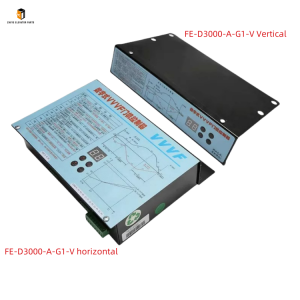
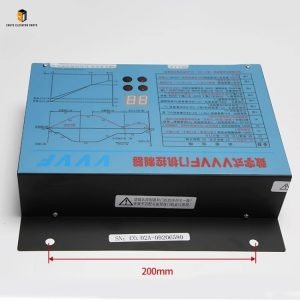
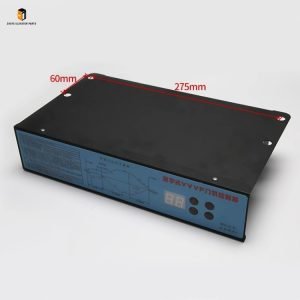
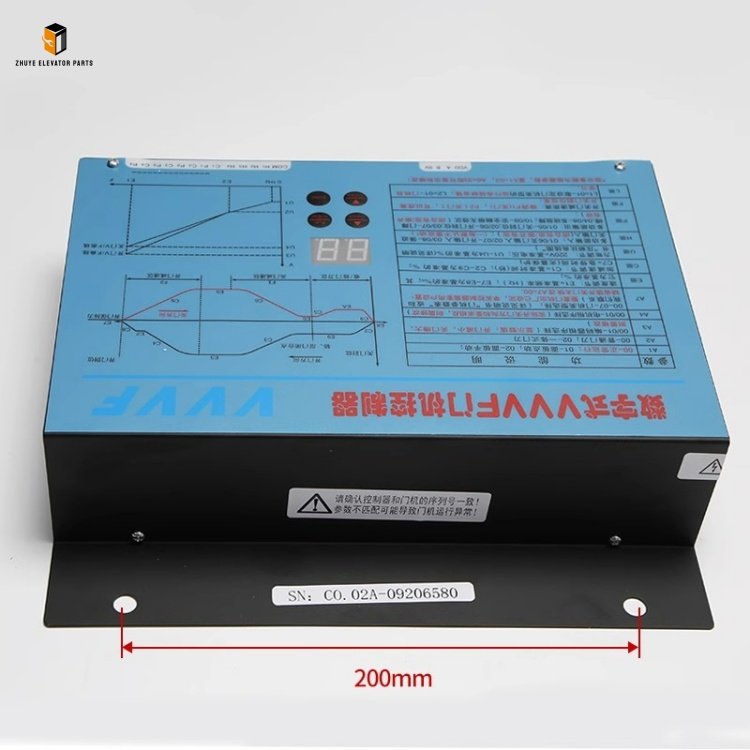
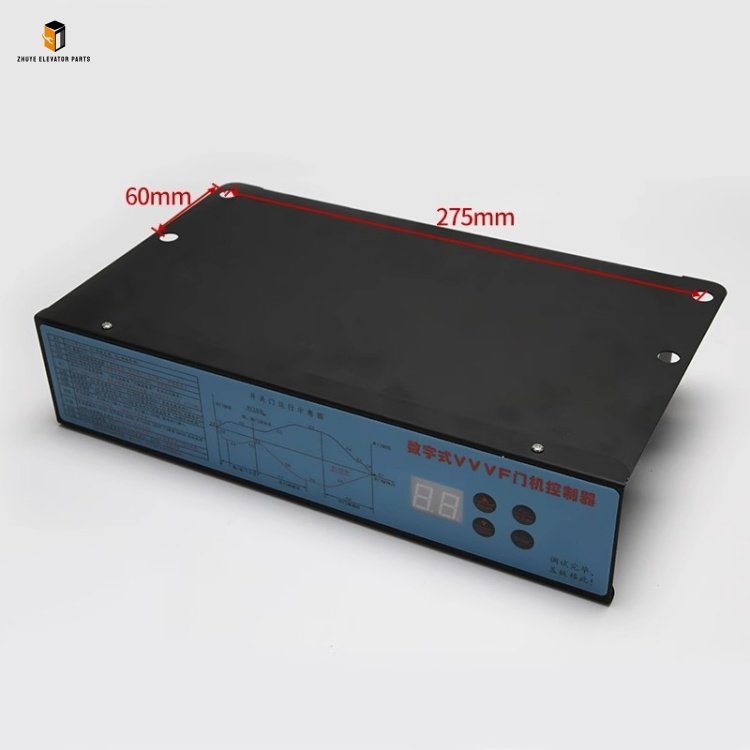
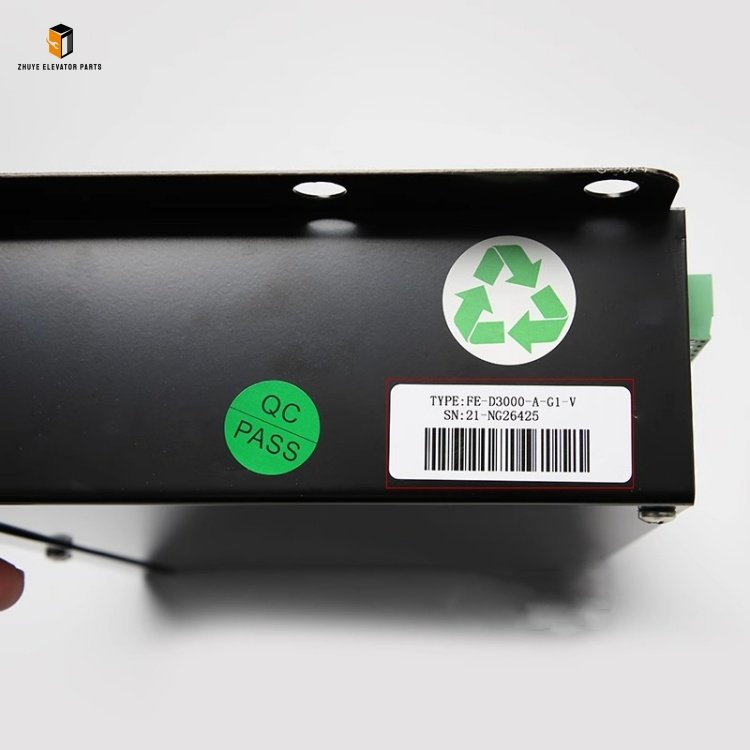
Elevator door controller FE-D3000 Brief Introduction
|
Product Name |
Elevator door controller |
| Model Number | FE-D3000
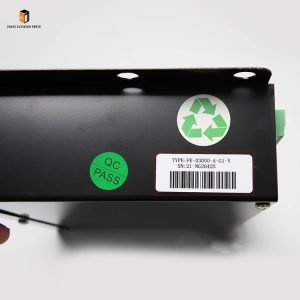
VVVF FE-D3000-A-G1-V |
|
Quality
|
Original.Brand New
|
|
Payment
|
T/T. Paypal. Western Union
|
|
Delivery
|
3-5 Working Days
|
|
Packaging
|
Packed by carton
|
Elevator Door Controller FE-D3000: Core Control Unit from Nanjing Zhuye Elevatorparts
Elevator Door Controller FE-D3000 is a high-performance core control component designed for modern elevator door systems, responsible for regulating the entire operation process of elevator car doors and landing doors—including door opening/closing speed, acceleration/deceleration curves, anti-pinch protection, and signal interaction with the elevator main control system. Dubbed the “neural center” of elevator door systems, it ensures smooth, quiet, and safe door operation, directly affecting passenger ride comfort and safety. Exclusively supplied by Nanjing Zhuye Elevatorparts (a professional and trusted distributor of high-quality elevator components), the Elevator Door Controller FE-D3000 fully complies with international elevator safety standards (EN 81-20, GB 7588) and is compatible with mainstream elevator door operator models from various brands. Boasting advanced microprocessor control technology, strong anti-interference ability, and user-friendly parameter configuration, this controller is widely applied in residential buildings, commercial centers, office towers, hospitals, and transportation hubs worldwide.
Nanjing Zhuye Elevatorparts adheres to the core philosophy of “quality first, safety paramount” and implements stringent quality control over the FE-D3000 elevator door controller. Each unit undergoes multi-stage pre-delivery inspections, including control precision testing, safety function verification, anti-interference performance detection, and long-term durability trials. The product features a 32-bit high-performance microprocessor, a flame-retardant ABS shell (UL94 V0 rating), and an optimized circuit design: the 32-bit microprocessor enables precise control of door speed (adjustable within 0.1–1.0m/s) and ensures smooth speed transitions; the flame-retardant shell and IP54 dustproof and waterproof rating allow it to adapt to the humid, dusty, and vibrating environment in elevator shafts; the optimized circuit layout enhances resistance to electromagnetic interference from the elevator traction system and other electrical components. Its standardized wiring interfaces and mounting dimensions are tailored to match most mainstream door operator models, eliminating the need for complex modifications and enabling quick and easy installation.
Step-by-Step Usage Guide for Elevator Door Controller FE-D3000
To ensure the stable and safe operation of the elevator door system and extend the service life of the FE-D3000 controller, follow the professional guidelines provided by Nanjing Zhuye Elevatorparts for installation, parameter setting, and maintenance:
1. Professional Installation & Wiring
Installation must be performed by certified elevator technicians familiar with elevator door systems. Prior to installation, confirm the compatibility of the FE-D3000 with the target elevator’s door operator type, rated load, and main control system using the detailed compatibility manual provided by Nanjing Zhuye Elevatorparts. The steps are as follows:
-
Safety Preparation: Cut off the elevator’s main power supply and the dedicated power supply of the door operator. Fix the elevator car to a safe position aligned with the floor using a safety clamp. Open the door operator cover and clean the controller mounting area to remove dust, oil stains, and debris that may affect heat dissipation and insulation.
-
Controller Installation: Fix the FE-D3000 controller to the dedicated mounting bracket in the door operator using high-strength screws provided by Nanjing Zhuye Elevatorparts. Ensure the controller is installed vertically (tilt angle ≤ 3°) and maintain a 10–15mm heat dissipation gap between adjacent components to prevent overheating.
-
Wiring Operation: According to the door operator wiring diagram, connect the controller’s power terminal (rated voltage: 24VDC/110VDC optional), motor terminal (connected to the door operator drive motor), sensor terminal (connected to door edge sensors, photoelectric sensors, and position sensors), and communication terminal (connected to the elevator main control system). Ensure correct polarity and tight wiring—use a torque wrench to confirm the tightening torque to avoid loose connections or poor contact. Clearly mark each wire to facilitate future maintenance.
-
Post-Installation Testing: Restore the power supply and switch the elevator to inspection mode. Check if the controller’s indicator lights (power, normal operation, fault) work normally. Manually operate the door system to verify smooth opening and closing without jamming or abnormal noise. Test the anti-pinch function by placing an obstacle in the door’s path—confirm the door reverses immediately upon contact. If any abnormalities (e.g., slow door movement, error codes, unresponsive anti-pinch) occur, recheck the installation and wiring immediately.
2. Parameter Setting & Routine Inspection
Scientific parameter setting and regular inspections are key to ensuring optimal performance of the FE-D3000 controller:
-
Parameter Setting: Use the dedicated debugging software or panel buttons (provided by Nanjing Zhuye Elevatorparts) to set core parameters based on the elevator’s usage scenario: door opening/closing speed (e.g., 0.8m/s for commercial buildings, 0.4m/s for hospitals), opening/closing delay time (3–6 seconds), anti-pinch sensitivity, and emergency door opening parameters. Save the parameters after setting and back up the data to prevent loss due to unexpected faults.
-
Daily Visual Inspection: During shaft patrols, check the controller’s external condition—ensure the shell is free of cracks, deformation, or discoloration (a sign of overheating); verify wiring terminals are tight with no looseness, oxidation, or burning marks; confirm connected sensors and wires are intact.
-
Weekly Functional Check: Operate the elevator door system multiple times to check the stability of opening/closing speed and delay time. Use a multimeter to detect the controller’s input voltage and output motor voltage, ensuring they are within the rated range. Review the controller’s fault code records (if equipped) to identify potential hidden issues early.
3. Regular Maintenance Schedule
Systematic maintenance can effectively extend the service life of the FE-D3000 controller. Follow Nanjing Zhuye Elevatorparts’ recommended maintenance plan:
-
Quarterly Maintenance: Disconnect the power supply and remove the controller from the mounting bracket. Thoroughly clean the shell, terminals, and ventilation holes with a professional electrical cleaner. Inspect wires for aging or cracking (replace if necessary) and recheck all connections for tightness. Reinstall the controller and verify that parameters remain unchanged.
-
Semi-Annual Performance Test: Conduct a comprehensive performance test, including control precision, safety function reliability, and anti-interference ability. Use professional testing equipment to simulate voltage fluctuations and electromagnetic interference to verify stable operation. For elevators in high-traffic areas (e.g., shopping malls, airports), increase the test frequency to once every 3 months.
-
Annual Professional Overhaul: Arrange a professional inspection with Nanjing Zhuye Elevatorparts’ certified technical team. Update the controller’s firmware (if applicable) to optimize performance. Replace aging components (e.g., capacitors, resistors, connectors) with genuine parts. Recalibrate door system parameters to meet original factory standards and the elevator’s actual operating needs.
Recommended Replacement Cycle for Elevator Door Controller FE-D3000
As a core control component bearing long-term electrical loads, frequent signal processing, and mechanical wear, the FE-D3000 door controller has a specified service life. Timely replacement is critical to avoiding faults such as unstable door control, failed anti-pinch protection, or complete shutdown—issues that may lead to elevator door jamming, passenger trapping, or even safety accidents.
1. Standard Replacement Cycle
Under normal operating conditions (elevator daily operation time 12–24 hours, daily door opening/closing times ≥ 1000, environment temperature -10–60℃, humidity 10%–95%), the recommended replacement cycle for the FE-D3000 door controller is 3–4 years. This cycle is determined based on Nanjing Zhuye Elevatorparts’ long-term field data, component aging tests, and global user feedback.
2. Adjustments for Special Scenarios
-
Harsh Environments: For elevators in high-humidity coastal areas (salt spray corrosion), high-dust construction sites, or locations with frequent voltage fluctuations (e.g., industrial zones), the replacement cycle should be shortened to 2–3 years. Harsh conditions accelerate circuit aging, terminal corrosion, and control precision degradation.
-
Low-Frequency Use Scenarios: For elevators with low usage frequency (e.g., villa elevators, small office buildings with daily operation time < 8 hours) and stable environments, the replacement cycle can be extended to 4–5 years—only if Nanjing Zhuye’s professional inspection confirms the controller’s control performance, safety functions, and component integrity are intact.
3. Immediate Replacement Conditions
Replace the FE-D3000 controller immediately if any of the following issues occur, regardless of service life:
-
Persistent error codes cannot be eliminated through debugging, leading to abnormal door operation (e.g., slow movement, random stops, failure to open/close).
-
Safety functions (anti-pinch, emergency stop) fail—doors do not reverse when blocked, or cannot be opened in emergency situations, posing serious risks to passengers.
-
The controller has no response to control signals, and the fault cannot be resolved by checking the power supply and wiring, resulting in the elevator being out of service.
-
The controller’s shell is severely cracked, deformed, or corroded; internal components show signs of burning (e.g., marks, odor), making maintenance ineffective and posing electrical safety hazards.
In conclusion, the Elevator Door Controller FE-D3000 supplied by Nanjing Zhuye Elevatorparts is a high-quality, reliable core component for elevator door systems. By following the correct usage methods, maintenance schedules, and replacement cycles, elevator maintenance teams can effectively ensure the stable and safe operation of elevator door systems, enhance passenger safety and comfort, and minimize failure risks. Choosing Nanjing Zhuye Elevatorparts means you get not only authentic FE-D3000 controllers but also professional technical support, including model matching guidance, on-site installation advice, and prompt after-sales service.