


Description
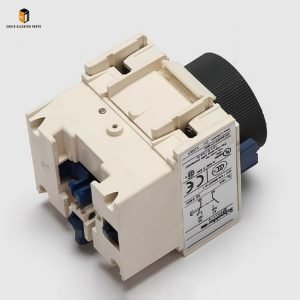
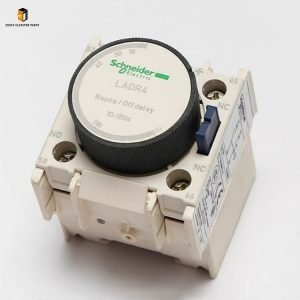
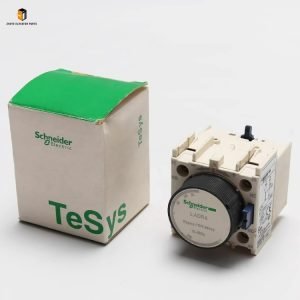
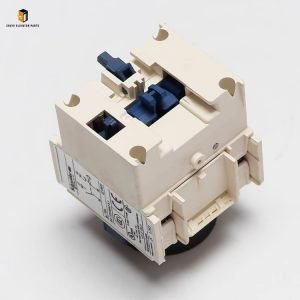
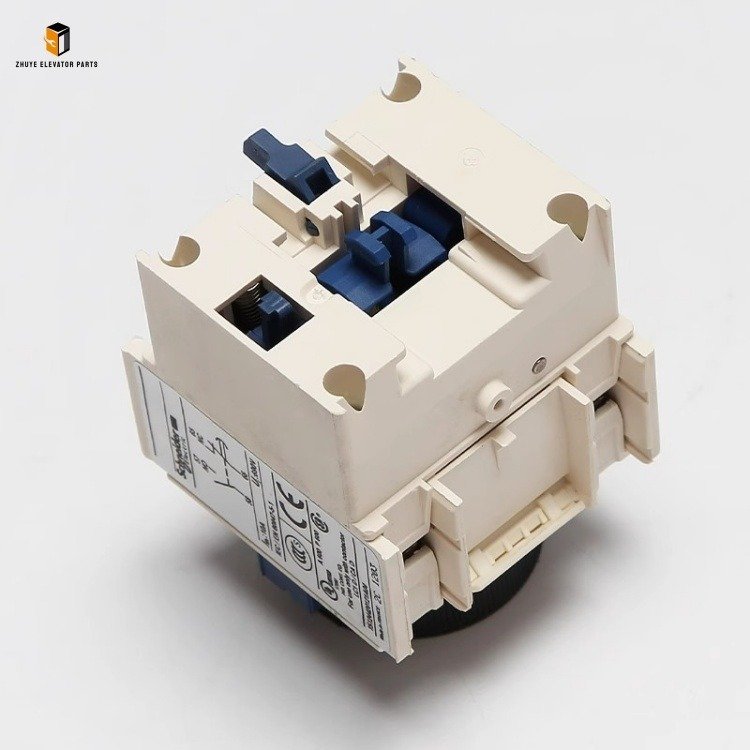
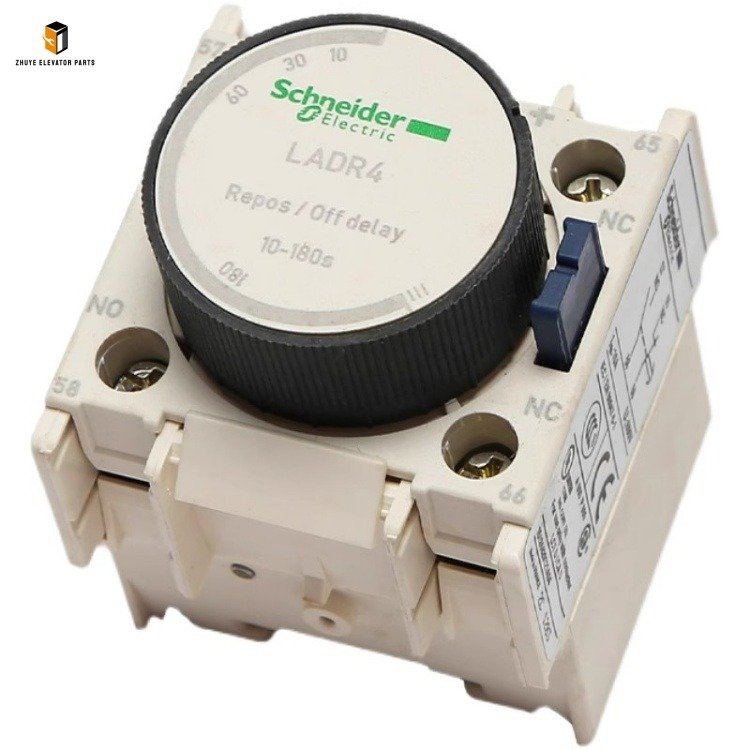
Elevator delay relay LADR4 Brief Introduction
|
Product Name |
Elevator delay relay |
| Model Number | LADR4 |
|
Quality
|
Original.Brand New
|
|
Payment
|
T/T. Paypal. Western Union
|
|
Delivery
|
3-5 Working Days
|
|
Packaging
|
Packed by carton
|
Elevator Delay Relay LADR4: Precision Timing Core from Nanjing Zhuye Elevatorparts
In the sophisticated control system of elevators, the delay relay acts as a “precision timing node,” enabling sequential control of key functions such as door closing delay, inter-floor stop buffering, and safety circuit activation. Its accurate timing performance directly impacts elevator operation stability, passenger safety, and riding comfort. The Elevator Delay Relay LADR4, exclusively supplied by Nanjing Zhuye Elevatorparts, is engineered to meet the rigorous demands of modern elevator applications. Compliant with international standards such as IEC 61810 and EN 61810, this versatile relay boasts excellent compatibility with mainstream elevator brands including Schindler, OTIS, KONE, and domestic brands like Mitsubishi Elevator. Whether for new elevator installations or old system maintenance upgrades, the LADR4 delivers stable timing control trusted by elevator professionals worldwide.
Nanjing Zhuye Elevatorparts has always adhered to a stringent quality control system, and the LADR4 elevator delay relay is a perfect embodiment of this commitment. Each unit undergoes comprehensive quality inspections before leaving the factory, including timing accuracy calibration, contact resistance measurement, insulation performance assessment, and high-temperature durability trials. The relay features adjustable timing ranges (0.1s-300s) to adapt to different elevator control requirements, with a timing error of ≤±5% ensuring precise operation. Its silver alloy contacts minimize ablation and oxidation, supporting stable current transmission even under frequent switching conditions (up to 10 million operations). The flame-retardant insulating shell meets EN 50274 protection standards, providing effective protection against accidental contact. With an operating temperature range of -25℃ to 60℃ and anti-vibration design, it performs reliably in harsh elevator machine room environments.
Usage Guide for Elevator Delay Relay LADR4
Proper installation, wiring, and parameter setting are crucial to maximizing the performance and service life of the LADR4 elevator delay relay. Nanjing Zhuye Elevatorparts strongly recommends that only certified elevator maintenance technicians perform these operations to avoid safety hazards or equipment damage. Improper operation may lead to timing errors, relay failure, or even elevator system malfunctions. Before installation, confirm that the relay’s rated voltage (common 24V DC/110V AC), contact capacity, and timing range match the elevator control system’s specifications. For any doubts, refer to the product manual provided by Nanjing Zhuye Elevatorparts or consult our professional technical team.
1. Pre-Installation Preparation
cutting off cutting offeach each relayrelayLADR4 relaySR6B4024 relay, or damaged timing adjustment knobs Verify that the control circuit voltage matches the relay’s rated voltage to avoid coil burnout. Verify that the control circuit voltage matches the relay’s rated 24V DC to avoid coil burnout.First, cut off the elevator’s main power supply and control system power, then lock the power switch and place a “Maintenance in Progress” warning sign at the machine room and each elevator entrance to prevent accidental activation. Prepare necessary tools: torque wrench, screwdriver, multimeter, wire stripper, and anti-static gloves. Clean the relay installation area in the control cabinet to remove dust, debris, and oil stains, as these contaminants can affect electrical performance and cause short circuits. Inspect the RY611024 relay for external damage, loose pins, or stuck contacts. Do not use the product if any defects are found. Verify that the control circuit voltage matches the relay’s rated 24V DC to avoid coil burnout.
2. Installation & Wiring
Mount the LADR4 delay relay on the standard DIN rail inside the control cabinet or use screws for fixed installation, ensuring a secure fit with no looseness. Avoid installing it near heat sources, high-voltage components, or direct sunlight to prevent interference and overheating. Follow the wiring diagram from Nanjing Zhuye Elevatorparts strictly: connect the power supply wires to the relay’s coil terminals (usually marked as A1 and A2), the input signal wires to the trigger terminals, and the load wires to the normally open/normally closed contact terminals. The recommended tightening torque for M5 screws is 1.5-2.5 Nm, and the wire stripping length should be 8-10mm to avoid short circuits from exposed wire cores. Keep power wires, signal wires, and load wires neatly separated to reduce electromagnetic interference. After wiring, use a multimeter to check the insulation resistance between terminals and confirm the initial contact on-off status.
3. Parameter Setting & Debugging
Before power-on, adjust the delay time according to the elevator’s control requirements using the relay’s timing knob. For example, set a 3-5 second door closing delay to allow passengers to enter/exit safely. Refer to the scale on the relay or use a stopwatch for precise calibration. Energize the control circuit to conduct a no-load test: trigger the relay and verify that the delay time matches the set value, and that the contacts engage/disengage smoothly without abnormal noise. Use a multimeter to confirm the on-off status of contacts during the delay period and after the delay ends. Simulate various elevator operating scenarios (e.g., door closing after passenger entry, inter-floor stop delay) to ensure the relay coordinates with other system components correctly. Record the final parameter settings for future maintenance reference.
Replacement Cycle of Elevator Delay Relay LADR4
SR6B4024LADR4 elevator delay relayrelaymaintenancemaintenancerelayrelay triggeringing25-10℃ to 5-10℃ to 5test test timing precision degradation,The replacement cycle of the RY611024 elevator relay is determined by operating frequency, working environment, and maintenance conditions. Under normal operating circumstances—elevator runs 12-24 hours a day, relay switching ≤2000 times/day, and the control cabinet environment is dry, ventilated, and maintained at -10℃ to 50℃—Nanjing Zhuye Elevatorparts recommends a replacement cycle of 3-5 years. This recommendation is based on long-term field test data, taking into account factors such as contact wear, coil aging, and mechanical component fatigue.
such asrelay, and subway stations, where relayrelay triggering355with largefrequent voltage instabilitytriggerenvironmenttiming smcontactcontactsuch as and elevators (time less than 8 hours, switching <1000 times/dayreplacement . However,inspections Elevatorparts’are timing accuracy, andswitching accuracswitching accuracrequirementFor elevators in high-traffic areas such as shopping malls, airports, and subway stations, where door opening/closing cycles ≥3000 times/day, or in harsh environments with high humidity, heavy dust, large temperature fluctuations, or frequent voltage instability, the replacement cycle should be shortened to 3-5 years. High-frequency operation accelerates internal component aging, while harsh environments increase the risk of circuit board corrosion and short circuits. For low-usage elevators such as villa elevators and small office building elevators (daily operation time less than 8 hours, door cycles <500 times/day) in stable environments, the replacement cycle can be extended to 7-10 years. However, annual professional inspections by Nanjing Zhuye Elevatorparts’ technicians are mandatory to confirm parameter stability, output accuracy, and protection function effectiveness.
Immediately replace the LADR4 elevator delay relay if any of the following issues occur, regardless of service life: significant timing deviation (exceeding ±10% of the set value) that cannot be calibrated; severe contact ablation, welding, or jamming leading to failure to switch; coil burnout, discoloration, or insulation damage causing failure to trigger or frequent tripping; mechanical components (e.g., timing knob, spring) are stuck, deformed, or damaged resulting in inflexible operation; the relay produces continuous abnormal heating or sparks during operation; or frequent elevator control system malfunctions are confirmed to be caused by relay defects. Timely replacement is critical to ensuring elevator operation safety and passenger comfort.
The Elevator Delay Relay LADR4 from Nanjing Zhuye Elevatorparts integrates precise timing control, reliable switching performance, and excellent durability to deliver a premium solution for elevator control systems. Its adjustable timing range and wide compatibility make it ideal for various elevator models. By following the recommended usage guidelines and replacement cycles, you can significantly improve elevator control system stability, enhance operation safety, and reduce maintenance costs. Nanjing Zhuye Elevatorparts provides 100% authentic LADR4 relays, along with professional support including model matching, on-site installation guidance, and timely after-sales service. Choose Nanjing Zhuye Elevatorparts for peace of mind in elevator component solutions.