

Description
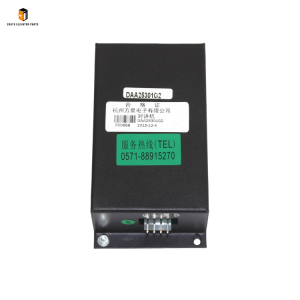
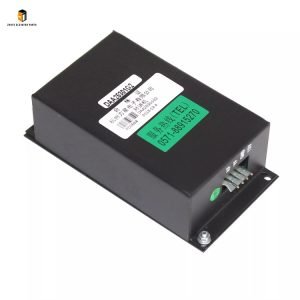
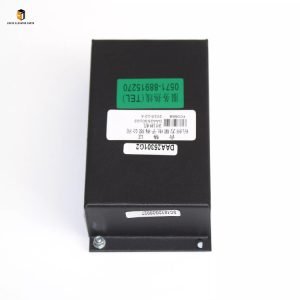
Elevator COP intercom DAA25301G1/G2 Brief Introduction
|
Product Name |
Elevator COP intercom |
| Model Number | DAA25301G1
DAA25301G2 |
|
Quality
|
Original.Brand New
|
|
Payment
|
T/T. Paypal. Western Union
|
|
Delivery
|
3-5 Working Days
|
|
Packaging
|
Packed by carton
|
Elevator COP Intercom DAA25301G1/G2: Reliable Emergency Communication Core from Nanjing Zhuye Elevatorparts
The Elevator COP (Car Operating Panel) Intercom DAA25301G1/G2 is a critical emergency communication component for elevator systems, specifically designed to establish real-time two-way communication between elevator passengers and the monitoring center or maintenance personnel. As the “lifeline” in emergency situations (such as elevator breakdowns or entrapment), it ensures passengers can quickly seek help and receive guidance, while enabling the monitoring center to grasp on-site conditions and arrange rescue in a timely manner. The Elevator COP Intercom DAA25301G1/G2, exclusively supplied by Nanjing Zhuye Elevatorparts (a professional and trusted distributor of high-quality elevator components), fully complies with international elevator safety standards (EN 81-20, GB 7588) and is perfectly compatible with elevator models matching DAA25301G1/G2 specifications. Featuring clear voice quality, stable signal transmission, and durable performance, this intercom provides reliable communication guarantees for elevators in residential buildings, commercial complexes, office towers, hospitals, and other buildings worldwide.
Nanjing Zhuye Elevatorparts adheres to the core philosophy of “safety first, quality-oriented” and implements strict unified quality control over the DAA25301G1/G2 elevator COP intercom. Each intercom undergoes a multi-stage pre-delivery inspection, including voice clarity testing, signal stability verification, waterproof performance detection, and environmental adaptability trials. The DAA25301G1/G2 adopts high-sensitivity microphones, noise-canceling speakers, and stable communication modules: the noise-canceling technology effectively filters out elevator operation noise, ensuring clear voice transmission even in noisy environments; the communication module supports stable signal transmission within a distance of up to 500 meters (wired) or 100 meters (wireless, depending on model); the IP65-rated waterproof and dustproof shell adapts to the humid and dusty environment inside the elevator car. Their interface and dimension designs are completely consistent with original specifications, enabling seamless replacement without modifying the original elevator communication system.
Step-by-Step Usage Guide for Elevator COP Intercom DAA25301G1/G2
To ensure the reliable operation of the elevator’s emergency communication system and extend the service life of the DAA25301G1/G2 COP intercom, follow the professional guidelines provided by Nanjing Zhuye Elevatorparts for installation, operation, and maintenance:
1. Professional Installation & Commissioning
Installation must be performed by certified technicians familiar with elevator communication systems. Prior to installation, confirm the compatibility of the specific model (DAA25301G1 or DAA25301G2) with the target elevator model and communication protocol using the detailed compatibility manual provided by Nanjing Zhuye Elevatorparts. The steps are as follows:
-
Safety Preparation: Cut off the elevator’s main power supply and hang a “Maintenance in Progress—Do Not Power On” sign at the power switch. Fix the elevator car to a safe position using a safety clamp. Open the COP cover on the car wall and disconnect the wiring of the old intercom (record the wiring position and polarity to avoid wrong connection).
-
Intercom Installation: Align the DAA25301G1/G2 intercom with the mounting position in the COP and fix it firmly using high-strength screws provided by Nanjing Zhuye Elevatorparts. Ensure the intercom’s call button is prominently placed and easy to press, with no obstruction. Connect the power cord, signal wire, and audio wire to the corresponding terminals according to the wiring record and the technical manual. For wireless models, ensure the antenna is properly installed to guarantee signal coverage.
-
Wiring & Calibration: After wiring, check the connection tightness and polarity (reverse connection may damage the intercom). Restore the COP cover and power on the elevator and the monitoring center’s communication equipment. Calibrate the intercom parameters: test the call function by pressing the call button, confirm the monitoring center can receive the call signal within 3 seconds; conduct a two-way voice test to ensure both parties can hear clearly without echo or noise. Adjust the volume (via built-in potentiometer) to a moderate level (60–70dB) suitable for communication.
-
Post-Installation Testing: Conduct comprehensive functional tests. Simulate emergency scenarios by pressing the intercom call button multiple times to verify the call success rate (100% required); test the intercom’s performance under different elevator states (static, running, door opening/closing) to ensure signal stability. For wired models, check the wiring for potential wear points and take protective measures; for wireless models, test the signal strength in different positions of the elevator shaft. If there is call failure, unclear voice, or signal interruption, recheck the wiring, antenna installation, and parameter calibration immediately.
2. Daily Operation & Routine Inspection
Regular inspections are crucial to early detection of intercom faults and ensuring the elevator’s emergency communication function is effective. Maintenance personnel should incorporate the following checks into their daily patrols:
-
Daily Visual Inspection: Check the external state of the DAA25301G1/G2 intercom. Ensure the shell is free of cracks, deformation, or damage; the call button is intact with no sticking or looseness; the indicator light (calling/connected) works normally. Wipe the intercom surface and call button with a dry, lint-free cloth to remove fingerprints and dust.
-
Weekly Functional Check: Press the intercom call button to initiate a test call to the monitoring center. Confirm the call is connected quickly, the voice is clear, and the indicator light displays correctly during the call. After the test, end the call normally and check if the intercom resets to the standby state. For wireless models, use a signal tester to detect the signal strength (ensure it is above -70dBm).
-
Monthly Parameter Monitoring: Use a multimeter to detect the intercom’s input voltage (ensure it is within the standard range of DC 12–24V). Check the wiring terminals for oxidation or loose connections—clean the terminals with a professional cleaner if necessary and retighten loose screws. For wired models, check the integrity of the signal cable (no breakage or insulation damage); for wireless models, inspect the battery (if applicable) for leakage or low power.
3. Regular Maintenance Schedule
Systematic maintenance can effectively extend the service life of the DAA25301G1/G2 COP intercom. Follow Nanjing Zhuye Elevatorparts’ recommended maintenance plan:
-
Quarterly Maintenance: Disconnect the power supply, remove the COP cover, and thoroughly clean the intercom’s surface, call button, and terminals with a dry cloth. Apply a small amount of contact lubricant to the call button’s internal mechanism to ensure smooth operation. Check the internal wiring for aging or damage and replace it if necessary. For wireless models, replace the battery (if applicable) with a genuine battery provided by Nanjing Zhuye Elevatorparts.
-
Semi-Annual Performance Test: Conduct a comprehensive performance test, including call response time, voice clarity, and signal stability. Use a professional audio tester to detect the microphone sensitivity and speaker volume (ensure they meet the original factory standards). For elevators in harsh environments (high humidity, high dust, or strong electromagnetic interference), increase the test frequency and apply a layer of anti-corrosion protective film to the intercom shell.
-
Annual Professional Overhaul: Arrange a professional inspection with Nanjing Zhuye Elevatorparts’ certified technical team. Disassemble the intercom (by professional personnel) to inspect internal components (such as microphones, speakers, and communication modules) for aging or damage. Replace worn or damaged components with genuine DAA25301G1/G2 parts. Conduct a full-range calibration of the intercom’s communication parameters to ensure compatibility with the monitoring center’s equipment.
Recommended Replacement Cycle for Elevator COP Intercom DAA25301G1/G2
As a core emergency communication component bearing long-term use and environmental erosion, the DAA25301G1/G2 COP intercom has a specified service life. Timely replacement is critical to avoiding communication failure in emergency situations, which may lead to delayed rescue, exacerbating passenger panic and even endangering lives.
1. Standard Replacement Cycle
Under normal operating conditions (elevator daily operation time 12–24 hours, monthly test call times ≥ 10, environment temperature -10–60℃, humidity 10%–90%), the recommended replacement cycle for the DAA25301G1/G2 elevator COP intercom is 6–8 years. This cycle is determined based on Nanjing Zhuye Elevatorparts’ long-term field data, including component aging tests, signal attenuation analysis, and actual operation feedback.
2. Adjustments for Special Scenarios
-
Harsh Environments: For elevators in high-humidity coastal areas (salt spray corrosion), high-dust construction sites, or elevators in areas with strong electromagnetic interference (e.g., near power stations), the replacement cycle should be shortened to 4–6 years. Harsh conditions accelerate the aging of internal components, signal attenuation, and shell corrosion, significantly reducing the intercom’s reliability.
-
Low-Frequency Use Scenarios: For elevators with low usage frequency (e.g., villa elevators, small office buildings with monthly test call times < 5) and clean, stable environments, the replacement cycle can be appropriately extended to 8–10 years—only if Nanjing Zhuye’s professional inspection confirms that the intercom’s call function, voice clarity, and signal stability are all intact.
3. Immediate Replacement Conditions
Replace the DAA25301G1/G2 COP intercom immediately if any of the following issues occur, regardless of service life:
-
The intercom fails to make calls or receive calls, and the fault cannot be eliminated through maintenance and calibration; the call response time exceeds 10 seconds, affecting emergency communication.
-
The voice is severely distorted, noisy, or inaudible, and the fault cannot be fixed by replacing the microphone or speaker.
-
The internal circuit is short-circuited or broken (confirmed by professional testing), leading to frequent intercom shutdowns or damage to the elevator control system.
-
The intercom’s shell is severely damaged, exposing internal circuits; or the call button is stuck and cannot be pressed, making it impossible to initiate emergency calls.
In conclusion, the Elevator COP Intercom DAA25301G1/G2 supplied by Nanjing Zhuye Elevatorparts is a high-quality, model-compatible emergency communication component tailored for elevator systems. By following the correct usage methods, maintenance schedules, and replacement cycles, elevator maintenance teams can effectively ensure the stable operation of the elevator’s emergency communication system, maximize passenger safety, and minimize rescue risks. Choosing Nanjing Zhuye Elevatorparts means you get not only authentic DAA25301G1/G2 intercoms but also professional technical support, including model selection guidance, installation advice, and prompt after-sales service.