Description
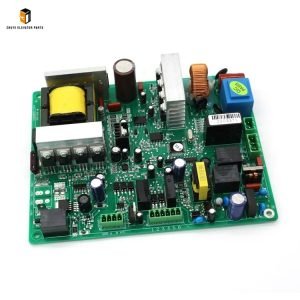
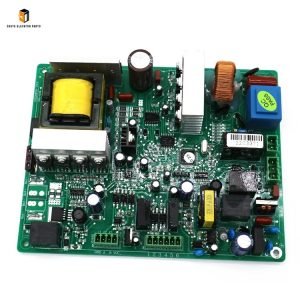
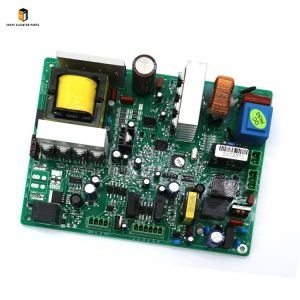
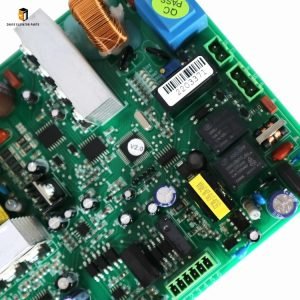
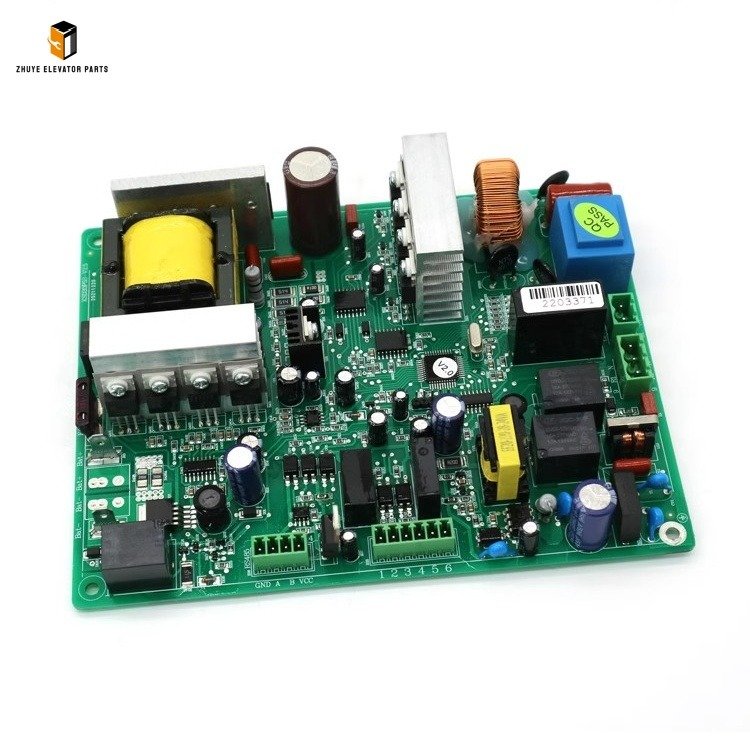
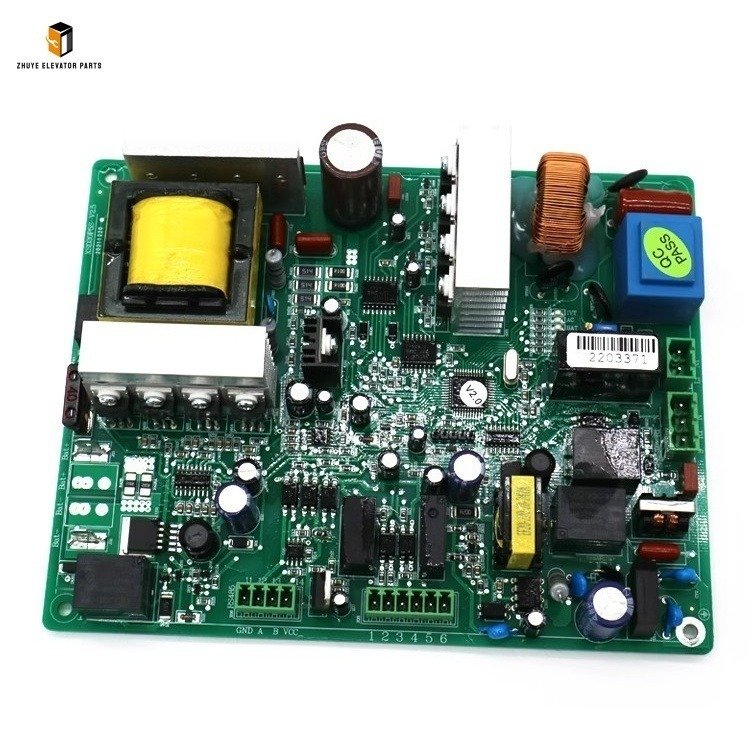
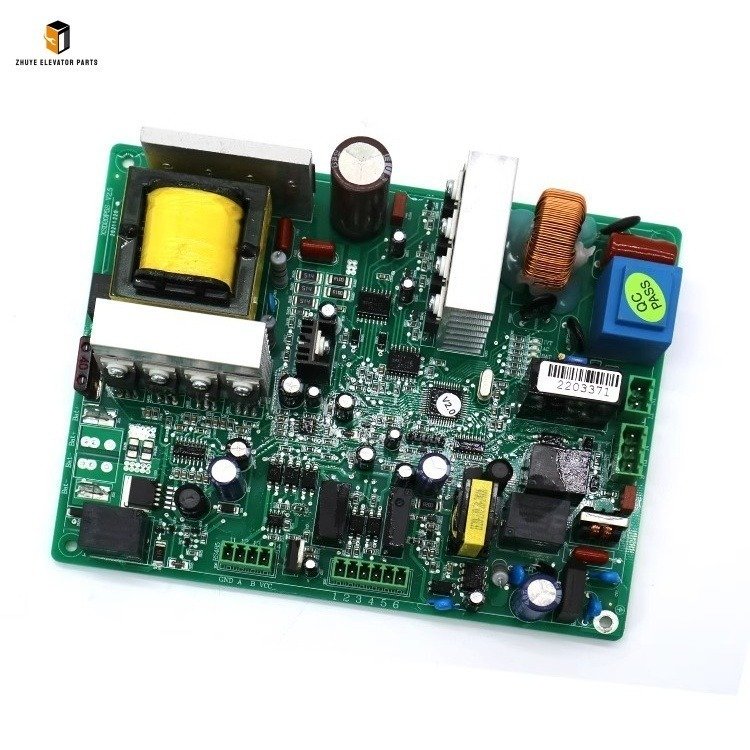
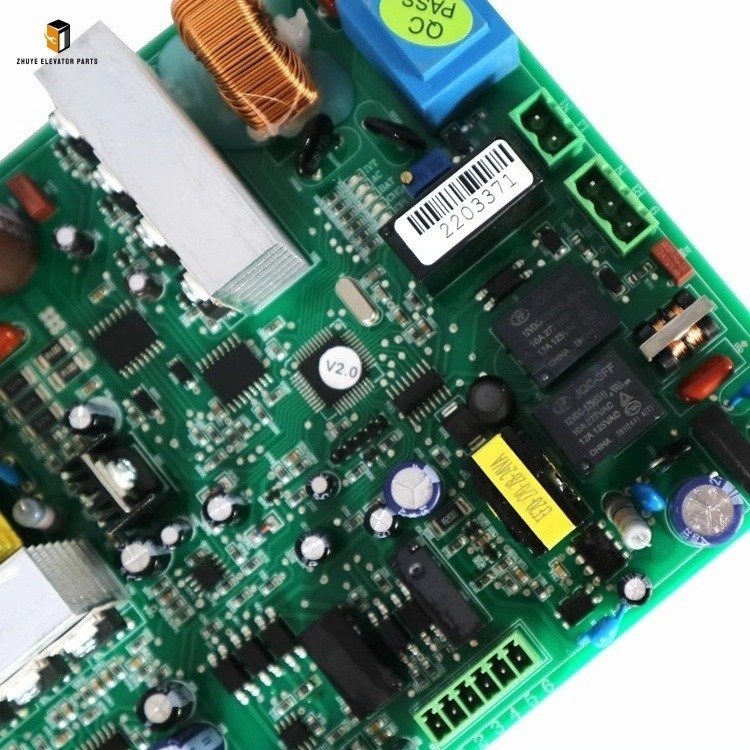
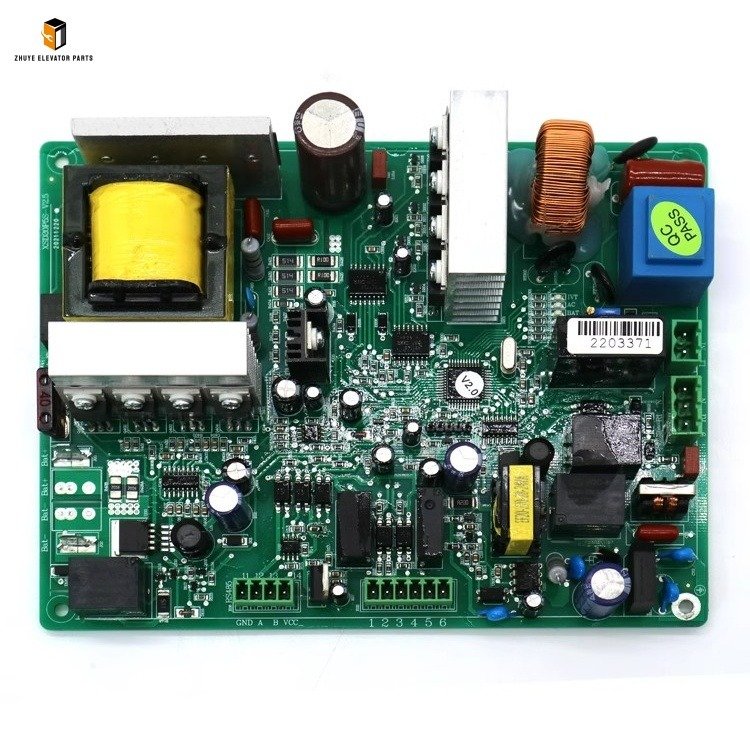
Elevator control cabinet emergency leveling board XSD20P5S-V2.5 Brief Introduction
|
Product Name |
Elevator control cabinet emergency leveling board |
| Model Number | XSD20P5S-V2.5 |
|
Quality
|
Original.Brand New
|
|
Payment
|
T/T. Paypal. Western Union
|
|
Delivery
|
3-5 Working Days
|
|
Packaging
|
Packed by carton
|
Elevator Control Cabinet Emergency Leveling Board XSD20P5S-V2.5: Core Safety Component from Nanjing Zhuye Elevatorparts
The elevator control cabinet emergency leveling board is a critical safety component designed to protect passengers when the elevator loses power unexpectedly. It automatically activates the backup power system to drive the elevator to the nearest floor and open the door, ensuring the safe evacuation of trapped passengers. As a core part of the elevator safety system, a high-quality emergency leveling board is essential for complying with elevator safety regulations. The Elevator Control Cabinet Emergency Leveling Board XSD20P5S-V2.5, exclusively supplied by Nanjing Zhuye Elevatorparts, is precision-engineered for modern passenger and freight elevators. Compliant with international standards such as IEC/EN 61558 and GB 7588, this board integrates a high-efficiency power conversion module, intelligent control chip, and comprehensive protection circuit, making it compatible with mainstream elevator brands including Schindler, OTIS, KONE, and domestic well-known brands. It is widely used in residential buildings, commercial complexes, office buildings, and public facilities, providing a reliable safety guarantee for elevator operations.
Nanjing Zhuye Elevatorparts has always adhered to strict quality control standards, and the XSD20P5S-V2.5 emergency leveling board is a concentrated embodiment of this philosophy. Each board undergoes multiple rigorous tests before leaving the factory, including power conversion efficiency testing, emergency response time detection, high-temperature and low-temperature resistance tests, and overload protection performance tests. The board adopts a 4-layer high-quality PCB substrate with excellent insulation and heat dissipation performance, ensuring stable operation even in harsh control cabinet environments. It is equipped with an industrial-grade lithium battery module with a self-charging and maintenance-free function, eliminating the need for manual charging and discharging operations. The built-in intelligent control system can complete the emergency leveling process automatically within 5-25 seconds after a power outage without human intervention. In addition, it integrates overvoltage, overcurrent, and short-circuit protection functions to prevent damage to the elevator system during emergency operation.
Usage Guide for Elevator Control Cabinet Emergency Leveling Board XSD20P5S-V2.5
Correct installation, debugging, and daily maintenance are crucial to ensuring the reliable operation of the XSD20P5S-V2.5 emergency leveling board when needed. Nanjing Zhuye Elevatorparts strongly recommends that only professional and certified elevator maintenance technicians perform installation and debugging operations to avoid safety hazards. Before use, it is necessary to confirm that the board’s model, voltage parameters, and interface type are completely consistent with the elevator control cabinet. For detailed installation steps, parameter configuration standards, and communication protocol specifications, you can refer to the product manual provided by Nanjing Zhuye Elevatorparts, or contact our technical support team for one-on-one professional guidance.
1. Pre-Installation Preparation
First, cut off the elevator’s main power supply and control cabinet power, lock the power switch, and place a “Maintenance in Progress” warning sign at the machine room and elevator entrance to prevent accidental startup. Prepare professional tools such as screwdrivers, torque wrenches, multimeters, oscilloscopes, anti-static gloves, and dust-free cloths. Clean the installation position in the control cabinet to remove dust, debris, and oil stains that may cause poor contact or short circuits. Carefully inspect the XSD20P5S-V2.5 board for external damage, such as PCB cracks, interface damage, or loose components. Pay special attention to checking the integrity of the built-in battery module and the tightness of the connection terminals. Use a multimeter to test circuit continuity and insulation resistance to ensure no open circuits, short circuits, or leakage.
2. Installation & Wiring
Align the XSD20P5S-V2.5 emergency leveling board with the dedicated mounting bracket in the control cabinet and fix it with screws. Note that the tightening torque should be appropriate (recommended 1.0-1.5 Nm) to avoid damaging the PCB or internal components. According to the wiring diagram provided by Nanjing Zhuye Elevatorparts, connect the board to the elevator main controller, traction system, and door operator. Ensure that the power wires, signal wires, and backup power wires are correctly connected to corresponding terminals, with wire stripping length controlled at 6-8mm to prevent short circuits from exposed wires. Use shielded wires for signal lines to reduce electromagnetic interference. After wiring, organize wires neatly with cable ties, recheck for wrong or loose connections, and confirm that the board is reliably grounded. Finally, install the dust cover to protect the board from environmental impurities.
3. Debugging & Daily Use
After installation, restore power and conduct systematic debugging. First, use the elevator main controller to activate the emergency leveling test mode and simulate a power outage to verify the board’s performance: it should activate within 5-25 seconds, drive the elevator to the nearest floor accurately (leveling accuracy ≤±1mm), and open the door automatically. Use an oscilloscope to confirm the stability of output signals during emergency operation. Check the battery charging status through the board’s indicator lights to ensure the self-charging function works normally. For daily maintenance, follow the standard of inspecting the board at least twice a month: clean the board surface and heat dissipation vents with a dust-free cloth, check connector tightness and wire integrity, and test the emergency function quarterly. Avoid knocking or collision during maintenance, and prevent conductive objects from touching the board to avoid short circuits. Do not disassemble the built-in battery module without authorization.
Replacement Cycle of Elevator Control Cabinet Emergency Leveling Board XSD20P5S-V2.5
The replacement cycle of the XSD20P5S-V2.5 emergency leveling board is affected by usage frequency, working environment, and maintenance quality. Under normal conditions—12-24 hours of daily elevator operation, dry and well-ventilated control cabinet, no strong electromagnetic interference, and regular maintenance—Nanjing Zhuye Elevatorparts recommends a replacement cycle of 6-8 years. This cycle is based on extensive field test data, considering core component aging, battery performance attenuation, circuit stability degradation, and protection function sensitivity reduction, which are the main factors affecting the board’s emergency response capability.
For elevators in high-traffic areas (shopping malls, airports, subways) with frequent power fluctuations or harsh environments (high temperature, humidity, dust, strong electromagnetic interference near industrial equipment), shorten the replacement cycle to 4-6 years. Frequent activation of the emergency function and harsh environments accelerate component aging and battery damage. For low-frequency use elevators (villa elevators, small office buildings with <8 hours daily operation), the cycle can be extended to 8-10 years with proper maintenance. However, arrange semi-annual inspections by Nanjing Zhuye Elevatorparts’ professional technicians to test emergency response time, battery capacity, and circuit stability, ensuring compliance with safety standards.
Regardless of service life, replace the XSD20P5S-V2.5 board immediately if: it fails to activate within 30 seconds during a simulated power outage; the elevator cannot reach the correct leveling position or open the door automatically; the battery fails to charge or its capacity drops below the standard (≤70% of the rated capacity); the board shows obvious damage (burned chips, cracked PCB, corroded circuits); frequent protection faults occur that cannot be repaired; the board is incompatible with the upgraded elevator system; or it fails to pass annual safety inspections. Timely replacement is critical to avoid endangering passenger safety due to the board’s failure during a real power outage.
The Elevator Control Cabinet Emergency Leveling Board XSD20P5S-V2.5 from Nanjing Zhuye Elevatorparts combines reliable emergency response performance, durable design, and wide compatibility, making it an ideal choice for elevator maintenance and renovation. As more regions mandate emergency leveling functions for elevators, this board has become a key component for compliance and safety. With strict quality assurance and comprehensive after-sales service, it has gained trust from numerous maintenance enterprises and property management companies. Following correct usage methods and replacement cycles effectively ensures elevator safety compliance. Nanjing Zhuye Elevatorparts provides 100% genuine XSD20P5S-V2.5 boards and professional support, including installation guidance, fault diagnosis, and on-site assistance. Choose Nanjing Zhuye Elevatorparts for reliable core safety components and intimate service.