

Description
Elevator contactor LADN22C/11C/31C/40C Brief Introduction
|
Product Name |
Elevator contactor |
| Model Number | LADN22C
LADN11C LADN31C LADN40C |
|
Quality
|
Original.Brand New
|
|
Payment
|
T/T. Paypal. Western Union
|
|
Delivery
|
3-5 Working Days
|
|
Packaging
|
Packed by carton
|
Elevator Contactor LADN22C/11C/31C/40C: Reliable Circuit Control from Nanjing Zhuye Elevatorparts
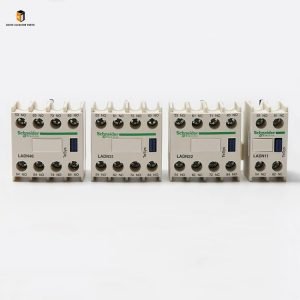
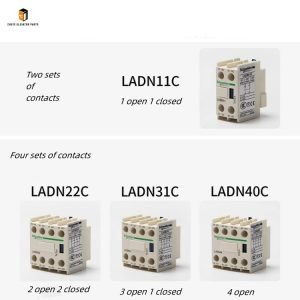
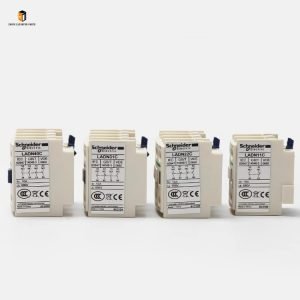
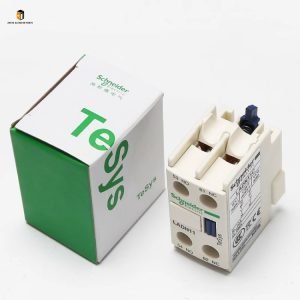
Elevator Contactor LADN22C/11C/31C/40C is a core electrical control component for elevator power systems, covering four mainstream auxiliary contactor models (LADN22C, LADN11C, LADN31C, LADN40C) to meet the circuit switching and control needs of different elevator electrical systems. Installed in the elevator control cabinet, these contactors are responsible for controlling the on-off of key circuits such as elevator traction motors, door operators, and lighting systems, ensuring precise and stable operation of each elevator mechanism. Each model is distinguished by its auxiliary contact configuration: LADN22C (2 normally open + 2 normally closed), LADN11C (1 normally open + 1 normally closed), LADN31C (3 normally open + 1 normally closed), and LADN40C (4 normally open + 0 normally closed). Widely compatible with mainstream elevator control systems and applicable to residential, commercial, industrial, and high-speed elevators, they are essential components for ensuring safe and efficient elevator operation. Exclusively supplied by Nanjing Zhuye Elevatorparts, a professional provider of high-quality elevator electrical components, these Elevator Contactor LADN22C/11C/31C/40C fully comply with international elevator safety standards (EN 81-20, GB 7588) and electrical component technical specifications (IEC 60947). Manufactured with premium electrical materials and precision assembly technology, they feature excellent electrical conductivity, strong arc-extinguishing performance, and stable operation in harsh electrical environments, earning recognition from global elevator maintenance teams and manufacturers.
Nanjing Zhuye Elevatorparts adheres to the core philosophy of “Stable Switching, Safe Control” and implements rigorous quality control for the LADN22C/11C/31C/40C elevator contactors. Each unit undergoes multi-stage pre-delivery inspections, including contact resistance testing, arc-extinguishing performance verification, insulation resistance detection, and service life evaluation. The contactors adopt advanced materials and technologies: the main contacts are made of silver-cadmium oxide (AgCdO) alloy, ensuring low contact resistance (≤ 50mΩ) and excellent arc ablation resistance; the coil is made of high-temperature resistant copper wire, with rated voltage options (AC 220V/DC 24V) to match different elevator control systems; the shell is made of flame-retardant engineering plastic (UL94 V0 grade) with IP20 protection rating, effectively resisting dust and electrical interference in the control cabinet (-20℃ to 70℃); the internal arc-extinguishing cover is designed with a grid structure to quickly extinguish electric arcs and prevent short circuits. The standardized mounting rail design and plug-in terminal structure enable seamless matching with elevator control cabinets, simplifying installation and replacement processes.
Step-by-Step Usage Guide for Elevator Contactor LADN22C/11C/31C/40C
To maximize the service life, control accuracy, and operational stability of the LADN22C/11C/31C/40C elevator contactors, strictly follow the professional guidelines provided by Nanjing Zhuye Elevatorparts for selection, installation, and maintenance:
1. Professional Selection & Pre-Installation Preparation
Installation must be performed by certified elevator electricians proficient in elevator control systems. Prior to selection, refer to the elevator’s electrical schematic or consult Nanjing Zhuye Elevatorparts’ technical team to confirm the required auxiliary contact configuration and coil voltage: Choose LADN22C for complex control circuits requiring multiple on-off points; LADN11C for basic single-circuit control; LADN31C for circuits needing more normally open contacts; LADN40C for pure on-off control without normally closed contact needs. Preparation steps: Cut off the elevator’s main power supply and lock the power switch; place a “Maintenance in Progress” warning sign at the control cabinet entrance; clean the contactor mounting rail and terminal area in the control cabinet to remove dust, oil stains, and debris.
2. Correct Installation & Wiring
-
Contactor Fixing: Take the matched LADN22C/11C/31C/40C contactor from Nanjing Zhuye Elevatorparts, snap it onto the standard DIN rail in the control cabinet (ensure it is firmly fixed without shaking). Check that the contactor’s installation direction is consistent with the instructions (vertical installation recommended to ensure optimal heat dissipation).
-
Wiring Connection: According to the elevator’s electrical schematic and Nanjing Zhuye Elevatorparts’ wiring manual, connect the power lines and control lines to the corresponding terminals. Distinguish between main contacts (for high-current circuits) and auxiliary contacts (for control circuits); ensure tight wiring to avoid poor contact. For the coil wiring, confirm the voltage matches to prevent coil burnout; use cable ties to organize the wire harness and avoid contact with high-temperature components.
-
Initial Check: After installation, manually press the contactor’s armature to check if the contacts open and close flexibly; use a multimeter to test the on-off state of each contact, confirming it matches the model’s contact configuration (e.g., LADN22C has 2 NO and 2 NC contacts).
3. Post-Installation Testing & Daily Maintenance
-
Function Testing: Restore the elevator’s power supply and switch to inspection mode. Operate the elevator to test each controlled circuit (e.g., traction motor start-stop, door opening/closing) to confirm the contactor acts accurately and the circuits switch normally. Check for abnormal noise or heating during the contactor’s operation.
-
Daily Inspection: Maintenance personnel should check the contactors during daily control cabinet patrols: Observe the contactor’s shell for damage, discoloration (indicating overheating), or loose mounting; check the terminals for loosening, oxidation, or burning marks; listen for abnormal noise when the contactor is energized.
-
Regular Maintenance: Every 3 months, turn off the power and clean the contactor’s surface, contacts, and coil with a soft brush to remove dust and debris. Every 6 months, use a multimeter to test the contact resistance (should be ≤ 100mΩ) and insulation resistance (≥ 10MΩ); check the coil for discoloration or damage. For elevators in harsh electrical environments, shorten the maintenance interval to 1 month.
Recommended Replacement Cycle for Elevator Contactor LADN22C/11C/31C/40C
As core electrical components enduring long-term current impact, arc ablation, environmental erosion (humidity, dust, temperature changes), and frequent on-off operations, the LADN22C/11C/31C/40C elevator contactors have a specified service life. Timely replacement is crucial to avoiding faults such as contact adhesion, poor contact, or coil burnout—issues that may lead to elevator circuit failure, motor damage, or even emergency shutdowns affecting passenger safety.
1. Standard Replacement Cycle
Under normal operating conditions (elevator daily operation time 12–24 hours, daily contactor on-off times ≥ 500, control cabinet temperature -20–70℃, humidity 10%–85%), the recommended replacement cycle for all four models (LADN22C/11C/31C/40C) is 3–5 years. This cycle is determined based on Nanjing Zhuye Elevatorparts’ long-term field operation data, contact wear tests, and global user feedback on elevator electrical components.
2. Adjustments for Special Scenarios
-
High-Traffic & Harsh Environments: For elevators in high-traffic locations (e.g., large airports, central shopping malls) with daily contactor on-off times ≥ 2000, or in harsh environments (e.g., high-humidity coastal areas, high-dust industrial sites), the replacement cycle is shortened to1.5–2.5 years. Frequent on-off operations accelerate contact wear and arc ablation, while harsh environments cause terminal corrosion and coil aging.
-
Low-Frequency Use & Stable Environments: For elevators with low usage frequency (e.g., villa elevators, small office buildings with daily operation time < 8 hours) and stable control cabinet environments (constant temperature and humidity), the replacement cycle can be extended to 5–6 years—only after Nanjing Zhuye Elevatorparts’ technicians inspect and confirm that the contact resistance, arc-extinguishing performance, and coil integrity meet factory standards.
3. Immediate Replacement Conditions
Replace the contactor immediately if any of the following issues occur, regardless of its service life:
-
The contacts are severely worn, burned, or adhered (stuck closed), leading to circuit failure or inability to cut off the power.
-
The contact resistance exceeds 500mΩ, resulting in poor contact, local overheating, or abnormal voltage drop in the circuit.
-
The coil is burned out (no action when energized) or has insulation damage, posing electrical safety hazards such as short circuits.
-
The contactor makes loud abnormal noise during operation, or the armature jams, affecting normal circuit switching and elevator operation.
In conclusion, the Elevator Contactor LADN22C/11C/31C/40C from Nanjing Zhuye Elevatorparts are high-quality, tailored control solutions for different elevator electrical system needs. By following the correct selection, installation, maintenance, and replacement guidelines, elevator maintenance teams can effectively ensure the reliable operation of the elevator control circuit, reduce electrical failures, and guarantee the safe and efficient operation of the elevator. Choosing Nanjing Zhuye Elevatorparts means you get 100% authentic LADN22C/11C/31C/40C contactors, plus professional support—including model matching, on-site installation guidance, and prompt after-sales service. Trust Nanjing Zhuye Elevatorparts for the stable circuit control of your elevator system.