


Description
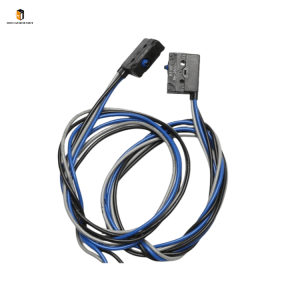
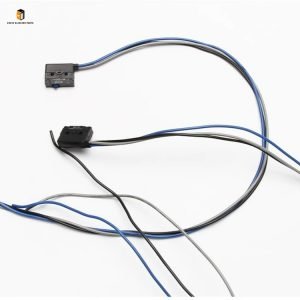
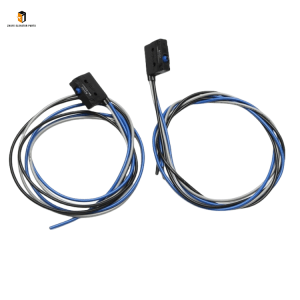
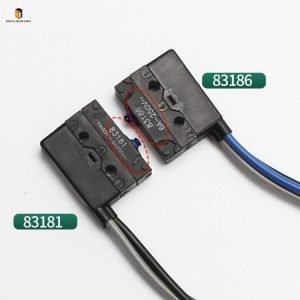
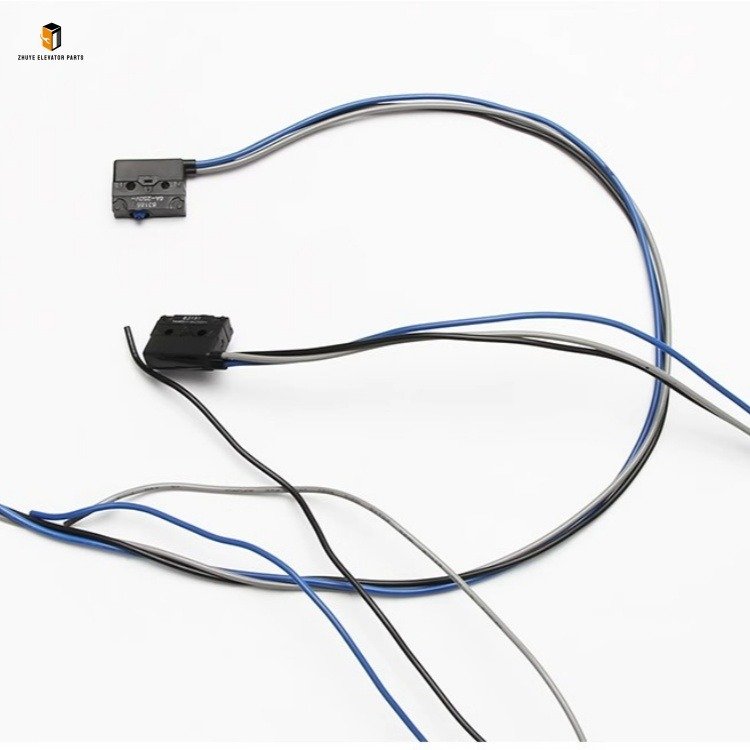
Elevator brake detection switch 83181/83186 Brief Introduction
|
Product Name |
Elevator brake detection switch |
| Model Number | 83181
83186 |
|
Quality
|
Original.Brand New
|
|
Payment
|
T/T. Paypal. Western Union
|
|
Delivery
|
3-5 Working Days
|
|
Packaging
|
Packed by carton
|
Elevator Brake Detection Switch 83181/83186: Safety Monitoring Core from Nanjing Zhuye Elevatorparts
Elevator Brake Detection Switch 83181/83186 is a critical safety monitoring component for elevator brake systems, covering two mainstream models (83181 and 83186) to meet the detection needs of different elevator brake structures. Installed on the elevator traction machine’s brake assembly, these switches are responsible for real-time monitoring of the brake’s “released” and “clamped” states, transmitting accurate signals to the elevator main controller. They act as a safety barrier: if the brake fails to clamp or release normally, the switch immediately triggers an emergency stop signal, preventing elevator overspeed, slipping, or other serious accidents. Each model has targeted advantages: Model 83181 adopts a normally open (NO) contact design, suitable for standard brake systems in residential and office elevators; Model 83186 features a normally closed (NC) contact structure, optimized for high-load brake systems in commercial complexes and industrial elevators. Widely compatible with mainstream elevator brands and brake models, these switches are essential safety components for various elevator types. Exclusively supplied by Nanjing Zhuye Elevatorparts, a professional provider of high-quality elevator safety components, these Elevator Brake Detection Switch 83181/83186 fully comply with international elevator safety standards (EN 81-20, GB 7588) and electrical switch technical specifications (IEC 60947). Manufactured with premium materials and precision craftsmanship, they feature high signal transmission accuracy, strong anti-interference performance, and reliable stability, earning recognition from global elevator maintenance teams and manufacturers.
Nanjing Zhuye Elevatorparts adheres to the core philosophy of “Precise Detection, Absolute Safety” and implements rigorous quality control for the 83181/83186 elevator brake detection switches. Each unit undergoes multi-stage pre-delivery inspections, including contact accuracy testing, anti-interference performance verification, high-temperature resistance detection, and service life evaluation. The switches adopt advanced materials and technologies: the contact points are made of silver-nickel alloy (AgNi 10), ensuring low contact resistance (≤ 50mΩ) and excellent arc ablation resistance; the shell is made of flame-retardant engineering plastic (UL94 V0 grade) with IP54 protection rating, effectively resisting humidity, dust, and mechanical impact in elevator machine rooms (-20℃ to 120℃); the internal spring is made of high-carbon steel with fatigue-resistant treatment, ensuring stable contact force. Both 83181 and 83186 adopt standardized mounting hole and terminal designs, enabling seamless matching with corresponding brake assemblies and simplifying installation and replacement processes. Additionally, the switches are equipped with clear state indicator lights, facilitating quick fault diagnosis for maintenance personnel.
Step-by-Step Usage Guide for Elevator Brake Detection Switch 83181/83186
To maximize the safety performance, service life, and operational stability of the 83181/83186 elevator brake detection switches, strictly follow the professional guidelines provided by Nanjing Zhuye Elevatorparts for selection, installation, and maintenance:
1. Professional Selection & Pre-Installation Preparation
Installation must be performed by certified elevator technicians with rich experience in brake systems. Prior to selection, refer to the elevator’s brake model, contact type requirement, and safety system parameters (consult Nanjing Zhuye Elevatorparts’ technical team if necessary): Choose Model 83181 (NO contact) for standard-load elevators with normal brake structures; Model 83186 (NC contact) for high-load elevators requiring redundant safety protection. Preparation steps: Cut off the elevator’s main power supply and lock the power switch; place a “Maintenance in Progress” warning sign at the machine room entrance; fix the brake in the clamped state with mechanical supports to avoid accidental movement; clean the switch mounting area on the brake assembly to remove dust, oil stains, and debris.
2. Correct Installation & Wiring
-
Switch Fixing: Take the matched 83181 or 83186 switch from Nanjing Zhuye Elevatorparts, align it with the mounting bracket on the brake assembly, and fix it with stainless steel bolts (torque: 15–25N·m). Ensure the switch’s actuator is accurately aligned with the brake’s moving part (gap: 1–2mm) to ensure it can be triggered reliably when the brake moves.
-
Wiring Connection: According to the elevator’s electrical schematic and Nanjing Zhuye Elevatorparts’ wiring manual, connect the switch’s terminals to the elevator controller’s signal line. For Model 83181 (NO contact), connect to the normally open signal circuit; for Model 83186 (NC contact), connect to the normally closed signal circuit. Ensure tight wiring, correct polarity, and use cable ties to fix the wire harness to avoid friction with moving parts.
-
Initial Check: After installation, manually toggle the brake’s moving part to check if the switch’s actuator moves flexibly and the state indicator light changes correctly (on for released, off for clamped, or vice versa according to model). Use a multimeter to test the contact on-off state, confirming it matches the design requirement.
3. Post-Installation Debugging & Daily Maintenance
-
System Debugging: Restore the elevator’s power supply and switch to inspection mode. Operate the brake to release and clamp repeatedly, observing the elevator controller’s signal reception status. Ensure the controller can accurately identify the brake state; if the switch triggers an abnormal signal, recheck the installation position and wiring.
-
Daily Inspection: Maintenance personnel should check the switches during daily machine room patrols: Observe the shell for damage, corrosion, or loose mounting; check the indicator light for normal state display; inspect the wiring for aging, wear, or loose terminals.
-
Regular Maintenance: Every 3 months, clean the switch surface and actuator with a soft, dry cloth to remove dust and oil stains. Every 6 months, use a multimeter to test the contact resistance and on-off sensitivity; apply a small amount of graphite lubricant to the actuator’s moving part. For elevators in harsh environments, shorten the maintenance interval to 1 month.
Recommended Replacement Cycle for Elevator Brake Detection Switch 83181/83186
As core safety monitoring components enduring long-term mechanical triggering, environmental erosion (humidity, dust, temperature changes), and electrical signal transmission, the 83181/83186 elevator brake detection switches have a specified service life. Timely replacement is crucial to avoiding faults such as contact poor contact, signal delay, or switch failure—issues that may lead to the elevator controller’s misjudgment of the brake state, resulting in serious safety accidents.
1. Standard Replacement Cycle
Under normal operating conditions (elevator daily operation time 12–24 hours, daily brake action times ≥ 200, machine room temperature -20–60℃, humidity 10%–85%), the recommended replacement cycle for both 83181 and 83186 switches is 3–5 years. This cycle is determined based on Nanjing Zhuye Elevatorparts’ long-term field operation data, contact wear tests, and global user feedback on elevator safety components.
2. Adjustments for Special Scenarios
-
High-Frequency Use & Harsh Environments: For switches in high-traffic locations (e.g., large airports, central shopping malls) with daily brake action times ≥ 500, or in harsh environments (e.g., high-humidity coastal areas, high-dust industrial workshops), the replacement cycle is shortened to 1.5–2.5 years. Frequent triggering accelerates contact wear, while harsh environments cause shell corrosion and internal component aging.
-
Low-Frequency Use & Stable Environments: For switches in low-traffic scenarios (e.g., villa elevators, small office buildings with daily operation time < 8 hours) and stable machine room environments (constant temperature and humidity), the replacement cycle can be extended to 5–6 years—only after Nanjing Zhuye Elevatorparts’ technicians inspect and confirm that the contact accuracy, signal transmission speed, and shell integrity meet factory standards.
3. Immediate Replacement Conditions
Replace the switch immediately if any of the following issues occur, regardless of its service life:
-
The switch’s contact resistance exceeds 200mΩ, leading to signal delay or intermittent signal loss, and the fault persists after cleaning and maintenance.
-
The actuator is stuck or damaged, failing to trigger the switch normally when the brake moves, resulting in incorrect state signals.
-
The shell is severely corroded, cracked, or deformed, exposing internal components and posing electrical safety hazards.
-
Professional testing confirms that the switch’s response time exceeds 100ms, failing to meet the elevator safety system’s real-time monitoring requirements.
In conclusion, the Elevator Brake Detection Switch 83181/83186 from Nanjing Zhuye Elevatorparts are high-quality, tailored safety solutions for different elevator brake systems. By following the correct selection, installation, maintenance, and replacement guidelines, elevator maintenance teams can effectively ensure the reliable operation of the brake system, eliminate potential safety hazards, and guarantee the safe travel of passengers. Choosing Nanjing Zhuye Elevatorparts means you get 100% authentic detection switches, plus professional support—including model matching, on-site installation guidance, and prompt after-sales service. Trust Nanjing Zhuye Elevatorparts for the safety monitoring of your elevator brake system.