

Description
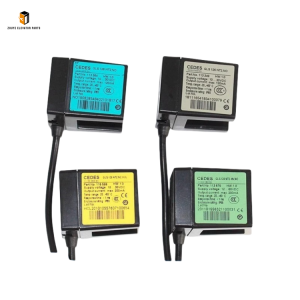
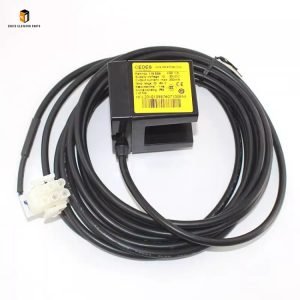
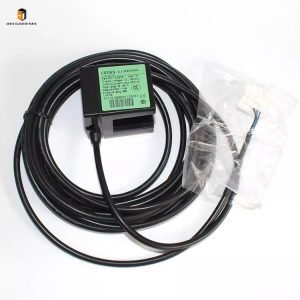
CEDES elevator leveling sensor photoelectric switch GLS126 NT2-MV.NV/NO/NC Brief Introduction
|
Product Name |
CEDES elevator leveling sensor photoelectric switch |
| Model Number | GLS126 NT2-MV.NV
GLS126 NT2.NO GLS126 NT2.NC |
|
Quality
|
Original.Brand New
|
|
Payment
|
T/T. Paypal. Western Union
|
|
Delivery
|
3-5 Working Days
|
|
Packaging
|
Packed by carton
|
CEDES Elevator Leveling Sensor Photoelectric Switch GLS126 NT2-MV.NV/NO/NC: Precision Positioning Core from Nanjing Zhuye Elevatorparts
The CEDES Elevator Leveling Sensor Photoelectric Switch GLS126 NT2-MV.NV/NO/NC is a critical positioning component for elevator systems, specifically designed to accurately detect the elevator car’s position relative to the landing during operation. As a core part of the elevator leveling system, it transmits precise position signals to the elevator control system, ensuring the car stops exactly at the landing level (leveling error ≤ 2mm) and enabling smooth door opening/closing. Available in NV (Normally Closed), NO (Normally Open), and NC (Normally Closed) output types, it is widely compatible with various elevator control systems. The CEDES GLS126 NT2-MV.NV/NO/NC Photoelectric Switch, exclusively supplied by Nanjing Zhuye Elevatorparts (a professional and authorized distributor of genuine CEDES components), fully complies with CEDES’ original technical specifications and international safety standards (EN 81-20, IEC 60947). Featuring high positioning accuracy, strong anti-interference ability, and stable performance in harsh environments, this photoelectric switch provides reliable leveling guarantees for elevators in residential buildings, commercial complexes, office towers, hospitals, and public facilities worldwide.
Nanjing Zhuye Elevatorparts has established long-term cooperative relations with CEDES, adhering to the core philosophy of “genuine quality, precise positioning”. Each GLS126 NT2-MV.NV/NO/NC photoelectric switch undergoes strict multi-stage pre-delivery inspection, including positioning accuracy testing, anti-interference performance verification, voltage stability detection, and high-temperature and low-temperature resistance trials. The sensor adopts advanced infrared photoelectric detection technology, a rugged metal and high-strength plastic composite shell, and multi-channel output design (NV/NO/NC): the infrared photoelectric technology ensures precise detection within a 0.1–5m range, with no contact wear; the composite shell has excellent dustproof, waterproof (IP65 protection level), and anti-vibration performance, adapting to the harsh environment of elevator shafts; the multi-channel output design meets the customization needs of different elevator control systems. Its interface and dimension design are completely consistent with CEDES original parts, enabling seamless replacement without modifying the existing leveling system.
Step-by-Step Usage Guide for CEDES GLS126 NT2-MV.NV/NO/NC Photoelectric Switch
To ensure the precise operation of the elevator leveling system and extend the service life of the GLS126 NT2-MV.NV/NO/NC photoelectric switch, follow the professional guidelines provided by Nanjing Zhuye Elevatorparts for installation, operation, and maintenance:
1. Professional Installation & Commissioning
Installation must be performed by certified technicians familiar with CEDES elevator components. Prior to installation, confirm the compatibility of the switch (matching NV/NO/NC output type with the elevator control system) using the detailed compatibility manual provided by Nanjing Zhuye Elevatorparts. The steps are as follows:
-
Safety Preparation: Cut off the elevator’s main power supply and hang a “Maintenance in Progress—Do Not Power On” sign at the power switch. Fix the elevator car to the middle landing using a safety clamp. Locate the standard installation position (usually on the car top or landing door frame) and clean the area to remove dust, oil stains, and debris that may affect light transmission.
-
Sensor Installation: Align the GLS126 NT2-MV sensor with the preset installation holes and fix it firmly using high-strength screws provided by Nanjing Zhuye Elevatorparts. Ensure the sensor’s light-emitting and receiving ends are aligned with the reflective plate (installed on the landing or car) without obstruction. The installation distance between the sensor and the reflective plate should be 50–150mm (adjust according to elevator model), and the horizontal deviation should not exceed 3°. Tighten the screws with a torque of 6–10 N·m to prevent loosening due to vibration.
-
Wiring & Calibration: Follow CEDES’ official wiring diagram and Nanjing Zhuye’s technical guidance to connect the sensor’s power terminal (DC 12–24V) and signal terminal (NV/NO/NC) to the elevator control system. Ensure the wiring is tight, the positive and negative poles are correctly connected (reverse connection will damage the sensor), and the insulation layer is intact. After wiring, calibrate the leveling position: operate the elevator to the landing, adjust the sensor’s horizontal and vertical positions so that the control system displays “leveling completed” when the car floor is flush with the landing. Set the detection sensitivity (via the sensor’s built-in potentiometer) to avoid false triggering caused by shaft dust or light interference.
-
Post-Installation Testing: Restore the power supply and conduct comprehensive performance tests. Operate the elevator to run up and down between multiple landings, check if the car stops accurately at each landing (leveling error ≤ 2mm), and confirm the door system opens/closes normally. Simulate harsh environments (e.g., cover the sensor with dust and clean it) to test anti-interference performance. If there is inaccurate leveling, delayed signal transmission, or false triggering, recheck the installation position and calibration parameters immediately.
2. Daily Operation & Routine Inspection
Regular inspections are crucial to early detection of sensor faults and ensuring elevator leveling accuracy. Maintenance personnel should incorporate the following checks into their daily patrols:
-
Daily Visual Inspection: During shaft patrols, check the external state of the GLS126 NT2-MV sensor. Ensure the shell is free of cracks, deformation, or corrosion; check the light-emitting/receiving ends for dust, oil stains, or scratches (clean with a dry lint-free cloth if necessary); confirm the wiring terminals are tight and the reflective plate is intact without displacement.
-
Weekly Functional Check: Operate the elevator to run between all landings, record the leveling error of each landing (use a level ruler for measurement). If the error exceeds 5mm, recalibrate the sensor. Check the sensor’s indicator light (normal operation: green light on; detection triggered: red light on) to ensure it switches normally. If the indicator light is off or flickers abnormally, inspect the power supply and wiring immediately.
-
Monthly Parameter Monitoring: Use a multimeter to detect the sensor’s input voltage (ensure it is within 12–24V DC) and output signal (NV/NO/NC on-off status). For elevators in harsh environments (high dust, humidity), use an oscilloscope to detect signal stability—avoid signal fluctuation exceeding 50mV. Check the reflective plate’s surface for wear or oxidation, which may reduce reflection efficiency.
3. Regular Maintenance Schedule
Systematic maintenance can effectively extend the service life of the GLS126 NT2-MV.NV/NO/NC photoelectric switch. Follow Nanjing Zhuye Elevatorparts’ recommended maintenance plan:
-
Quarterly Maintenance: Disconnect the power supply, remove the sensor and reflective plate, and clean their surfaces with a professional cleaner (provided by Nanjing Zhuye Elevatorparts) to remove dust, oil stains, and oxidation. Reinstall and recalibrate the sensor to ensure positioning accuracy. Check the wiring for aging or damage, and replace it if necessary.
-
Semi-Annual Performance Test: Conduct a comprehensive performance test, including positioning accuracy, detection distance, and anti-interference ability. Use a professional photoelectric sensor tester to detect the sensor’s response time (normal value ≤ 10ms). For elevators in coastal areas (high humidity) or construction sites (high dust), increase the test frequency and apply a small amount of anti-rust oil to the installation screws.
-
Annual Professional Overhaul: Arrange a professional inspection with Nanjing Zhuye Elevatorparts’ certified technical team. Replace aging sensors with genuine CEDES parts. Inspect the elevator control system’s signal receiving module to ensure it matches the sensor’s output type. Conduct a full-range leveling calibration for the entire elevator system to meet CEDES’ original factory standards.
Recommended Replacement Cycle for CEDES GLS126 NT2-MV.NV/NO/NC Photoelectric Switch
As a core positioning component bearing long-term environmental erosion and electrical aging, the GLS126 NT2-MV photoelectric switch has a specified service life. Timely replacement is critical to avoiding inaccurate leveling, car overshoot, or door opening failure, which affects passenger ride experience and safety.
1. Standard Replacement Cycle
Under normal operating conditions (elevator daily operation time 12–24 hours, shaft environment temperature -20–60℃, humidity 10%–95%, IP65 protection requirements met), the recommended replacement cycle for the CEDES GLS126 NT2-MV.NV/NO/NC photoelectric switch is 4–6 years. This cycle is determined based on Nanjing Zhuye Elevatorparts’ long-term field data, including component aging tests, performance degradation analysis, and CEDES’ original component service life standards.
2. Adjustments for Special Scenarios
-
Harsh Environments: For elevators in high-humidity coastal areas (salt spray corrosion), high-dust construction sites, shafts with large temperature fluctuations (e.g., unheated buildings in winter), or elevators with frequent full-load operation (more than 120 times per hour), the replacement cycle should be shortened to 3–4 years. Harsh conditions accelerate shell corrosion, light-emitting component aging, and signal attenuation, reducing positioning accuracy.
-
Low-Frequency Use Scenarios: For elevators with low usage frequency (e.g., villa elevators, small office buildings with monthly rides < 2,000) and clean, stable shaft environments, the replacement cycle can be appropriately extended to 6–7 years—only if Nanjing Zhuye’s professional inspection confirms that the sensor’s positioning accuracy, signal stability, and structural integrity are all intact.
3. Immediate Replacement Conditions
Replace the GLS126 NT2-MV.NV/NO/NC photoelectric switch immediately if any of the following issues occur, regardless of service life:
-
The leveling error persists exceeding 5mm after calibration, and the fault cannot be eliminated through maintenance.
-
The sensor frequently triggers false signals (e.g., the control system displays “leveling completed” when the car is not at the landing), leading to abnormal door opening or elevator shutdown.
-
The sensor’s indicator light is off or flickers continuously, and the output signal is interrupted or unstable (confirmed by multimeter testing).
-
The sensor shell is severely corroded or cracked, the light-emitting/receiving ends are damaged, or the internal components are exposed, posing potential safety hazards.
In conclusion, the CEDES Elevator Leveling Sensor Photoelectric Switch GLS126 NT2-MV.NV/NO/NC supplied by Nanjing Zhuye Elevatorparts is a high-quality, perfectly compatible positioning component tailored for elevator systems. By following the correct usage methods, maintenance schedules, and replacement cycles, elevator maintenance teams can effectively ensure the precise and stable operation of the elevator leveling system, improve passenger ride comfort, and minimize failure risks. Choosing Nanjing Zhuye Elevatorparts means you get not only authentic CEDES GLS126 NT2-MV sensors but also professional technical support, including installation guidance, maintenance advice, and prompt after-sales service.