
1. Classification of elevator wire rope grooves
(1) V -V-shaped groove: Larger friction coefficient, due to the small contact surface, the wear of the wire rope and the rope groove is relatively fast;
(2) Semi-circular groove with incision: A wedge-shaped slot is at the bottom of the groove. In some wedges in the groove, the volume friction coefficient greatly increases. Generally, it can be 1.5 of the semi-circular slot — Two times, so that this slot shape is most widely used on the elevator;
(3) Half-circular grooves: The area of contact with the wire rope is the largest. However, its friction coefficient is small, so we need to increase it to improve its traction capacity, which is common in high-speed elevators.
2. Introduction to elevator steel wire rope
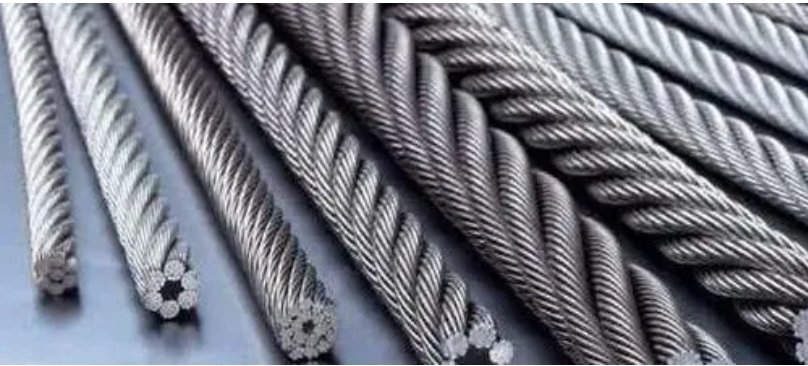
The elevator wire rope structure, which we mainly use as a traction rope is with 8*19S+NF. We use mostly the fiber rope core. The advantage of the West Lu style is that the outer wire is thicker. Direction wheel contact, and wear resistance. Second, the outer steel wire we use them mostly for rope-making wires with 450#, and the nominal tensile strength is 1370MPa. To reduce the strength of the outer steel wire is to prevent damage to the traction wheel; the inner layer The wire of the wire is 1770MPa, which increases the broken tension of the wire rope. The fatigue life is about 3 times that of the same structure of light surface steel wire rope. The common specifications of elevator steel wire rope are 8mm, 10mm, 11mm, 12mm, 13mm, 14mm, 16mm.
3. 1 Condition and inspection methods of steel wire rope scrap
3.1 Scrap conditions:
According to the TSG T7001-2009 “Elevator Supervision Inspection and Regular Inspection Rules-Quoting and Mandatory Drive Elevator”.
(1) Cage distortion, rope core extrusion, twisting, partially flattening, and bending;
(2) The diameter of the steel wire rope is less than 90% of the nominal diameter of the steel wire rope;
(3) The dispersing of the broken wire appears in the entire steel wire rope, and the number of broken wires of the single stock in the inside of the twist distance is greater than
(4) For the steel wire rope with several 6) or more than 16 (for the steel wire rope with 8).
3.2 Inspection method
(1) Use a steel wire detector or magnifying glass, full-length detection or segmentation, to measure and determine the changes in the diameter of the wire rope. During the measurement, at least 1m points we should measure, and for each point, we should measure twice vertically. The average value of the four measured values is the measured diameter of the wire rope;
(2) If other types of suspension devices we adopted, the manufacturing unit will perform the inspection.
4. Common steel rope adverse signs
1. New steel wire rope adverse signs
(1) The gap between the steel wire rope is too large, the dew fiber rope core; (replacement)
(2) Disposal of steel wire ropes; (replacement)
(3) If the rust is not serious, we can clean it with a brush, and the organic solvent we cannot use;
(4) The surface injury of the wire rope appears; (scrap replacement)
2. Poor installation process
(1) Wave shape after stretching the wire rope. The problem is mainly due to the improper deflation of the wire rope during the installation and the force stretching;
(2) The local small range is bent. The problem is mainly to use a rope or corner iron for temporary fixing during the rope. Due to the permanent deformation caused by too much corner and long force time, the steel wire rope forcibly pulls the problem;
3. Poor use process
(1) Unewal tension adjustment;
(2) Use the environmental humidity and rust on the surface of the wire rope;
(3) The rope groove is too poorly worn;
(4) High-frequency use causes bending fatigue;
(5) There are foreign bodies in the rope groove that we don’t clean in time
5. Analysis of common problems
5.1 Mechanical wear
(1) Pure mechanical wear, in general, the use of elevator wire ropes is higher than rope grooves, and the wear is slow.
(2) Transformer and wear refers to the local wear of the elevator wire rope in a certain section. Due to the frequent chronic displacement of elevator steel wire rope on the rope wheel, the elevator wire rope and rope wheels often vibrate. ; Although the cross-sectional area of the elevator steel wire has not decreased, if damage happens to the steel wire material at the local squeezing area it is easy to break the wire;
(3) Internal wear. Due to the frequent bending of elevator steel wire ropes, a relative displacement between the steel wire between the stocks of the stock, and the increase in contact pressure between the stocks and the stock, which causes the steel wire between the neighboring stocks to produce a local indentation. Concentrated and broken.
5.2 The rust of the elevator wire rope
It will cause rust during use if the mechanical properties reduce, the diameter of the steel wire becomes thinner, and the between the stock is loose, resulting in crispy breaks. This fracture is “the fault of the avalanche -type, it is more dangerous than the normal broken wire or wear. In maintenance, the steel wire rope is rusty, and should pay attention to it. We should observe it. There is a loose phenomenon, regardless of whether the wire is broken or the rope diameter becomes thinner. If the wire rope you can find”red oil”, it means that the rope core is not oil and internal rust appear. If necessary Correction. The method of preventing the rust of the wire rope is to protect the oil on the rope.
5.3 Analysis of Broken Wire Rope
(1) Overloading wire, by an overloaded load or impact load.
(2) Fatty filament, the outer steel wire on the largest side of the curved program of the stock, the broken wire produced by metal fatigue, the fracture shape is flat;
(3) Dordling wires, friction, and slipping between steel wire ropes and traction wheels. This kind of broken wire is extremely severely worn on the steel wire and occurs on the outer steel wire.
(4) The rust is broken, the rust is severely generated, the fracture is not neat, and it is pointed;
(5) Twisted silk. This broken wire rarely appears in normal use, and only when the wire rope appears, it will cause a twist. The fracture shape is flat and smooth.
6. Steel wire rope rust treatment
Under normal circumstances, the diameter of the traction wheel is large, and the steel wire rope still has enough lubricating oil for 3 to 5 years, so there is no need to add new oil. When the elevator wire rope finds signs of rust or dryness, we should maintain it with lubricating oil.
Lubrication method
(1) Use a mane brush on the surface of the steel wire to run the steel wire rope evenly and thinly apply a dedicated ET diluted elevator wire rope to a uniformly thin, or use the No. 20 oil. Do not have too much oil when pouring oil. The surface of the rope can be lubricated slightly. Can’t apply calcium-based lubricating fat;
(2) Heating and coating. First, brush the dirt and residues on the rope with a steel wire brush, wipe it with kerosene (strictly prohibited with gasoline), and heat the lubricant (mixture of graphite and Vaseline) to a temperature above 80 ° C. Lubricate the wire rope moderate, and we cannot apply the surface too much. Otherwise, the traction is reduced, and the load torque cannot be balanced in severe cases. The elevator runs out of control, causing the elevator to flush and the bottom accident.
Zhuye Elevator Parts is also a supplier of elevator wire rope, we will give you the best suggestions about the brand, the model, and the best guarantee.