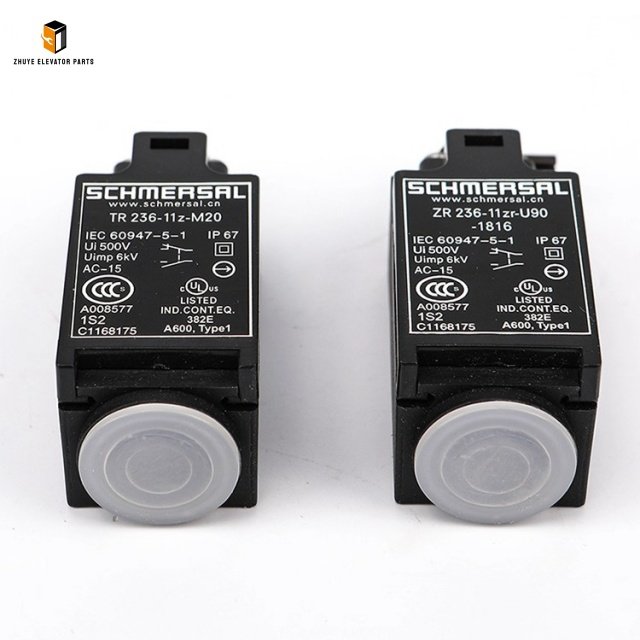
Elevator Limit Switch TR 236-11z-M20: Usage, Replacement Cycle & Maintenance Guide
By Nanjing Zhuye Elevatorparts
Introduction
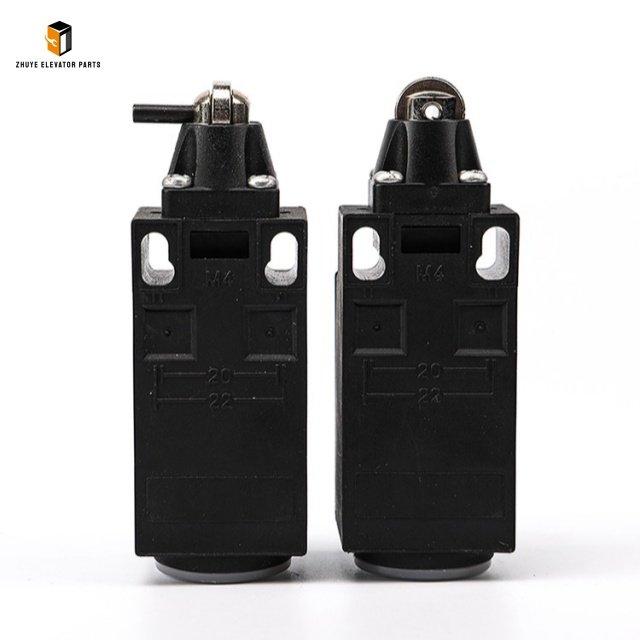
The TR 236-11z-M20 elevator limit switch is a vital safety component designed to ensure the safe operation of elevator systems by providing reliable position feedback and preventing overtravel. Manufactured by Nanjing Zhuye Elevatorparts, a globally recognized supplier of high-quality elevator components, this limit switch meets international safety standards and ensures reliable performance. Below, we outline its proper usage, replacement cycle, and maintenance protocols to optimize performance and ensure passenger safety.

Key Features of TR 236-11z-M20
- Safety Compliance: Certified to EN 81-20/50, ASME A17.1, and other international safety standards.
- High Durability: Designed for over 1 million operational cycles.
- Precision Engineering: Accurate position detection with minimal false triggering.
- Robust Design: IP65-rated housing protects against dust and moisture.
- Easy Installation: Compact size and plug-and-play connectors for quick setup.


Usage Guidelines
1. Installation
- Positioning: Install the limit switch at the designated locations in the hoistway, typically at the top and bottom terminal floors. Ensure proper alignment with the elevator car or counterweight.
- Mounting: Secure the switch using the provided mounting brackets. Ensure it is firmly attached to prevent vibrations from affecting its operation.
- Wiring: Connect the limit switch to the elevator control panel according to the wiring diagram provided by Nanjing Zhuye Elevatorparts. Ensure all connections are tight and secure.
2. Operation
- Initial Testing: After installation, perform a series of tests to verify the switch’s operation. Activate the switch manually to ensure it sends the correct signal to the control system.
- Function Monitoring: The limit switch should activate when the elevator car or counterweight reaches the terminal positions, triggering the elevator to stop and preventing overtravel.
- Regular Checks: During routine maintenance, verify that the switch is functioning correctly by simulating terminal positions.
3. Safety Protocols
- Lockout/Tagout: Always de-energize the elevator system before performing any maintenance or installation tasks.
- Personal Protective Equipment (PPE): Wear appropriate PPE, including safety harnesses and hard hats, when working in the hoistway.
- Training: Ensure that all technicians are trained in the proper use and maintenance of the limit switch.
Replacement Cycle & Maintenance
Replacement Interval
- Standard Usage: Replace every 5–7 years or after 1 million operating cycles, whichever comes first.
- High-Traffic Environments (e.g., commercial buildings): Replace every 3–4 years.
- Early Warning Signs:
- Intermittent switch failures
- Visible wear or damage to the switch housing or contacts
- Frequent fault codes related to terminal positions
Maintenance Checklist
- Monthly:
- Inspect the switch for physical damage, corrosion, or debris.
- Clean the switch housing with a dry cloth to remove dust and dirt.
- Quarterly:
- Test the switch operation by simulating terminal positions.
- Check all wiring connections for tightness and corrosion.
- Annually:
- Perform a detailed inspection of the switch’s internal components for signs of wear.
- Replace the switch if any contacts are worn or if the switch fails to operate correctly.
Why Choose Nanjing Zhuye Elevatorparts?
- Quality Assurance: All limit switches undergo rigorous testing to ensure reliability and safety.
- Global Support: 24/7 technical assistance and fast shipping to 60+ countries.
- Cost Efficiency: Competitive pricing with bulk discounts for OEMs and maintenance companies.
Conclusion
The TR 236-11z-M20 limit switch is essential for ensuring the safe operation of elevator systems. By following the usage and maintenance guidelines above, facility managers and technicians can reduce downtime and ensure compliance with safety standards. For genuine parts and expert support, trust Nanjing Zhuye Elevatorparts—your partner in elevator safety and reliability.
Order now or request a free technical consultation via our website.