Description
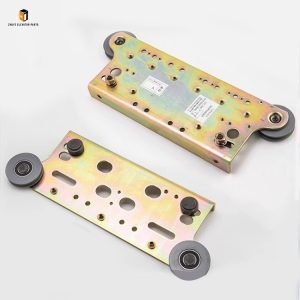
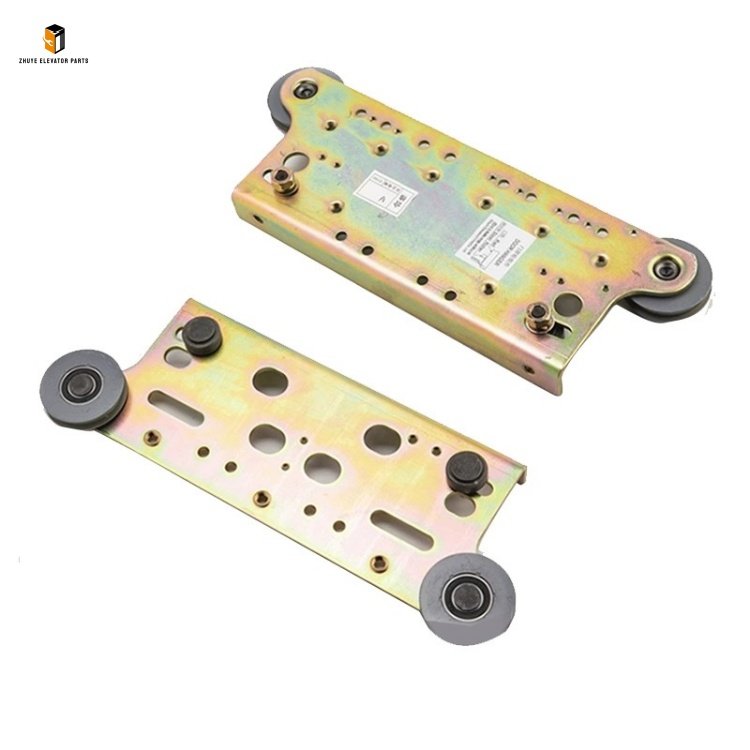
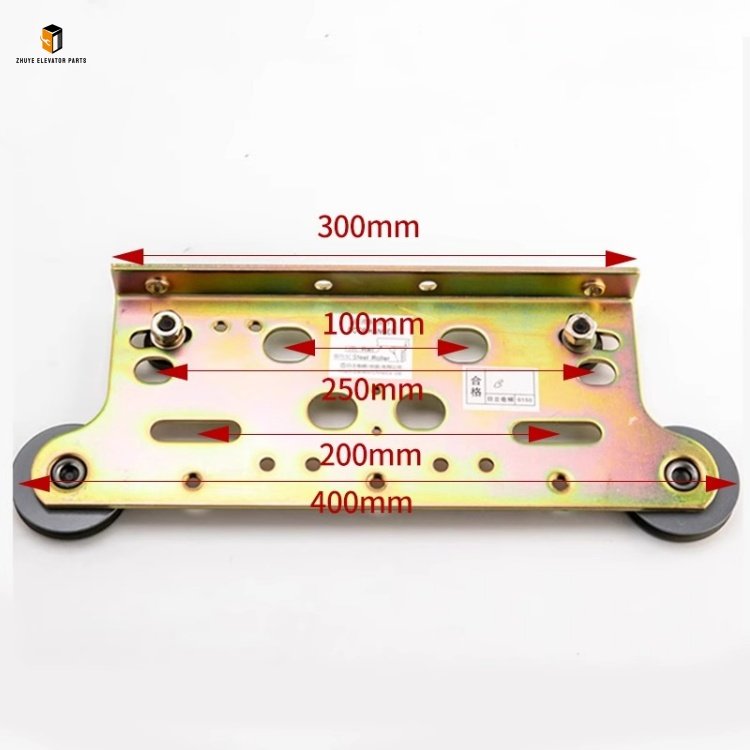
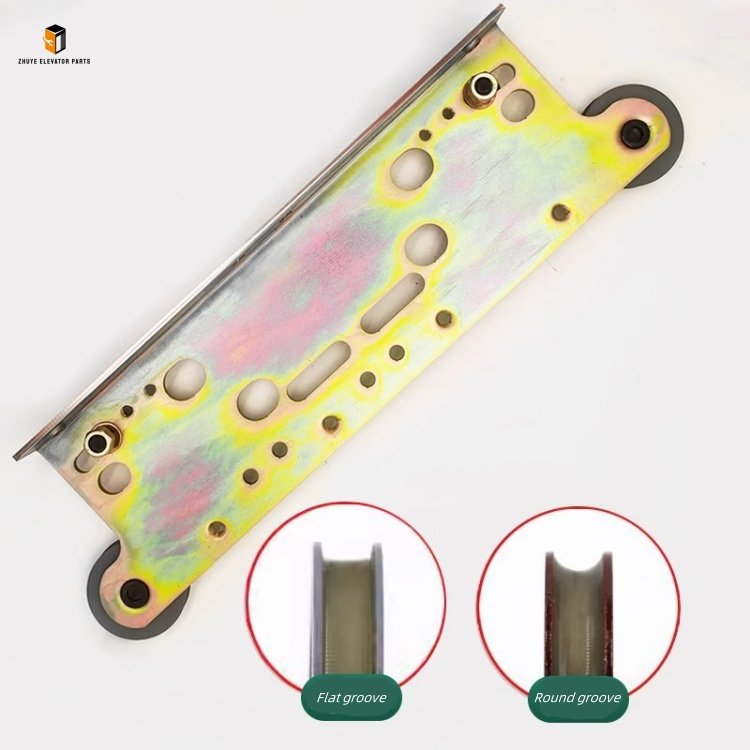
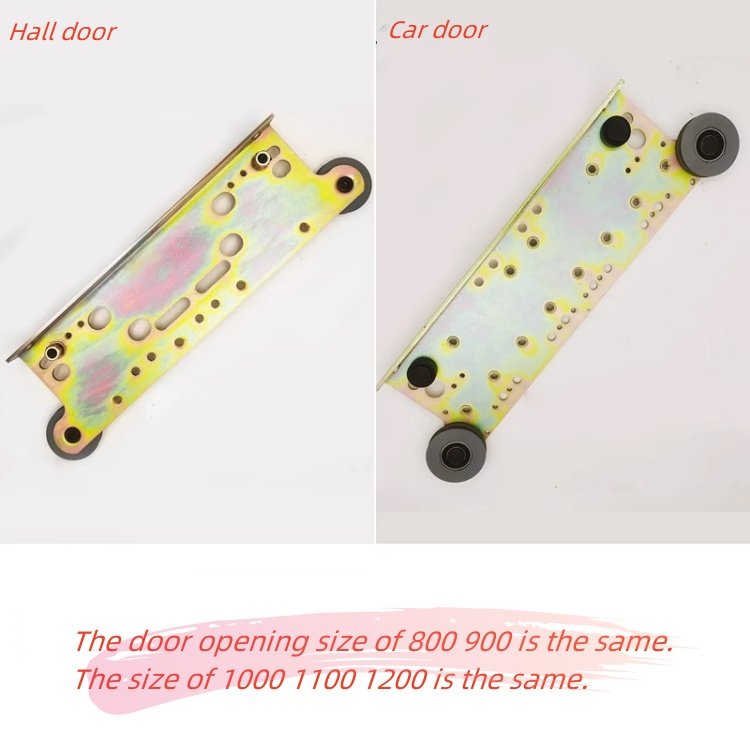
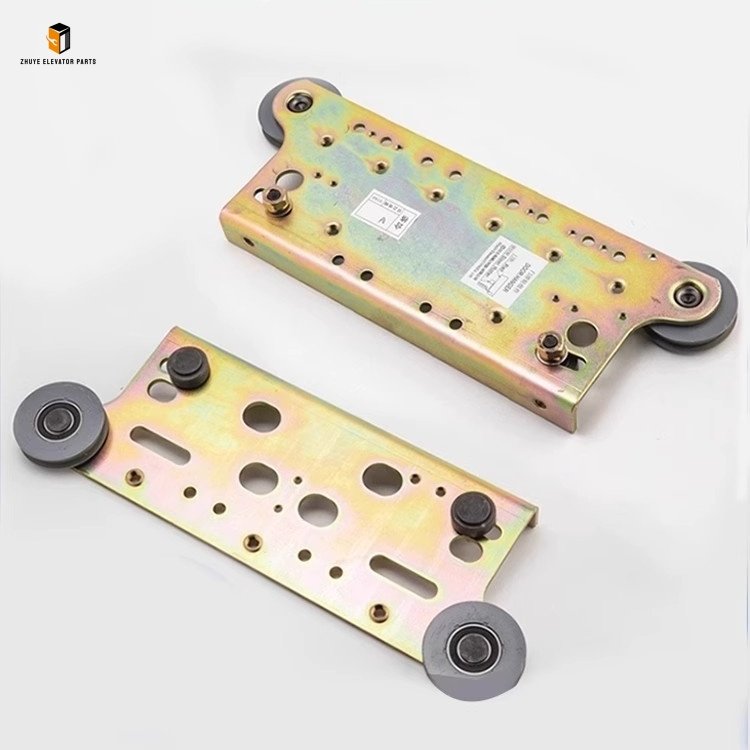
Hitachi elevator door hanging plate 800 900 Brief Introduction
|
Product Name |
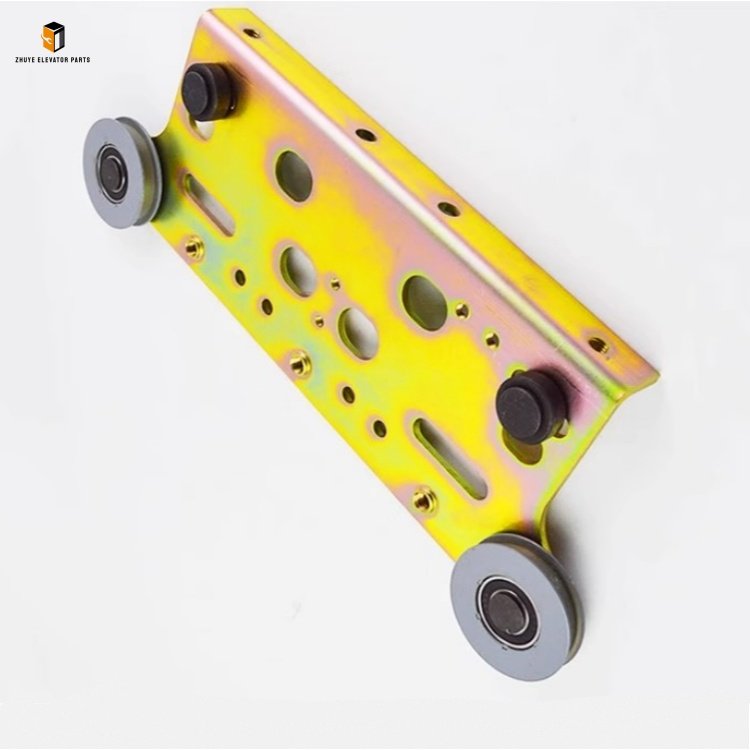
Hitachi elevator door hanging plate |
| Model Number | 800
900 |
|
Quality
|
Original.Brand New
|
|
Payment
|
T/T. Paypal. Western Union
|
|
Delivery
|
3-5 Working Days
|
|
Packaging
|
Packed by carton
|
Hitachi Elevator Door Hanging Plate 800/900: Stable Door Load-Bearing Core from Nanjing Zhuye Elevatorparts
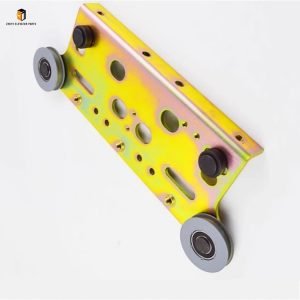
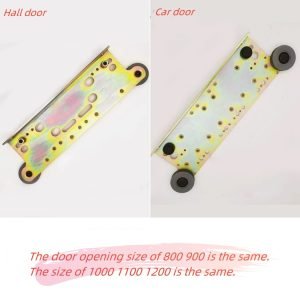
Hitachi Elevator Door Hanging Plate 800/900 is a critical load-bearing and guiding component exclusively designed for Hitachi elevator door systems, available in two key specifications (800mm and 900mm) to match different door opening widths of Hitachi elevators. As the “load-bearing backbone” of elevator car doors and landing doors, it connects the door panel to the door hanger, bearing the entire weight of the door panel and ensuring smooth sliding along the door rail during opening and closing. Exclusively supplied by Nanjing Zhuye Elevatorparts (a professional and authorized distributor of genuine Hitachi elevator components), the Hitachi Elevator Door Hanging Plate 800/900 fully complies with international elevator safety standards (EN 81-20, GB 7588) and Hitachi’s original factory design requirements. Featuring high structural strength, precise dimensional accuracy, and perfect compatibility with Hitachi elevator models, this door hanging plate is widely applied in Hitachi residential, commercial, hospital, and industrial elevators worldwide, directly affecting the stability and service life of the elevator door system.
Nanjing Zhuye Elevatorparts adheres to the core philosophy of “genuine quality, stable load-bearing” and implements strict quality control over the Hitachi Elevator Door Hanging Plate 800/900. Each unit is 100% genuine and undergoes multi-stage pre-delivery inspections, including load-bearing performance testing, dimensional accuracy verification, material strength detection, and anti-corrosion performance trials. The product adopts high-strength carbon steel (with electrophoresis anti-corrosion treatment), a reinforced rib structure, and precision-drilled mounting holes: the high-strength carbon steel ensures a maximum load-bearing capacity of 200kg per plate, easily supporting the weight of heavy-duty Hitachi door panels; the electrophoresis coating provides excellent corrosion resistance (passing 500-hour salt spray test), adapting to the humid and dusty environment in elevator shafts; the reinforced rib design enhances structural stability, avoiding deformation under long-term load; the precision-drilled holes (position accuracy ≤ 0.5mm) ensure perfect matching with Hitachi door hangers, rollers, and other components. Its standardized structure is perfectly compatible with various Hitachi elevator models (e.g., MAXIEZ, NEXIEZ, ELENESSA), enabling seamless replacement without modified installation.
Step-by-Step Usage Guide for Hitachi Elevator Door Hanging Plate 800/900
To ensure the reliable operation of Hitachi elevator door systems and extend the service life of the 800/900 door hanging plate, follow the professional guidelines provided by Nanjing Zhuye Elevatorparts for installation, adjustment, and maintenance:
1. Professional Installation & Matching
Installation must be performed by certified elevator technicians familiar with Hitachi elevator systems. Prior to installation, confirm the correct specification (800mm or 900mm) of the door hanging plate according to the elevator’s door opening width, using the detailed compatibility manual provided by Nanjing Zhuye Elevatorparts. The steps are as follows:
-
Safety Preparation: Cut off the elevator’s main power supply and switch the door system to inspection mode. Fix the door panel to a safe position using a temporary support frame to prevent accidental falling during installation. Clean the door hanger, door rail, and mounting area to remove dust, oil stains, and debris that may affect installation accuracy.
-
Plate Installation: Align the Hitachi 800/900 door hanging plate with the mounting positions on the door panel and door hanger. Use genuine high-strength bolts and nuts provided by Nanjing Zhuye Elevatorparts to fasten the plate—ensure the bolts pass through the precision holes of the plate, door panel, and hanger without forced installation. Tighten the bolts with a torque wrench according to Nanjing Zhuye’s recommended torque value (usually 35–45 N·m) to avoid looseness or structural damage.
-
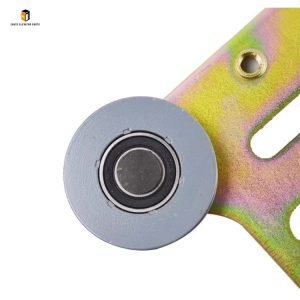
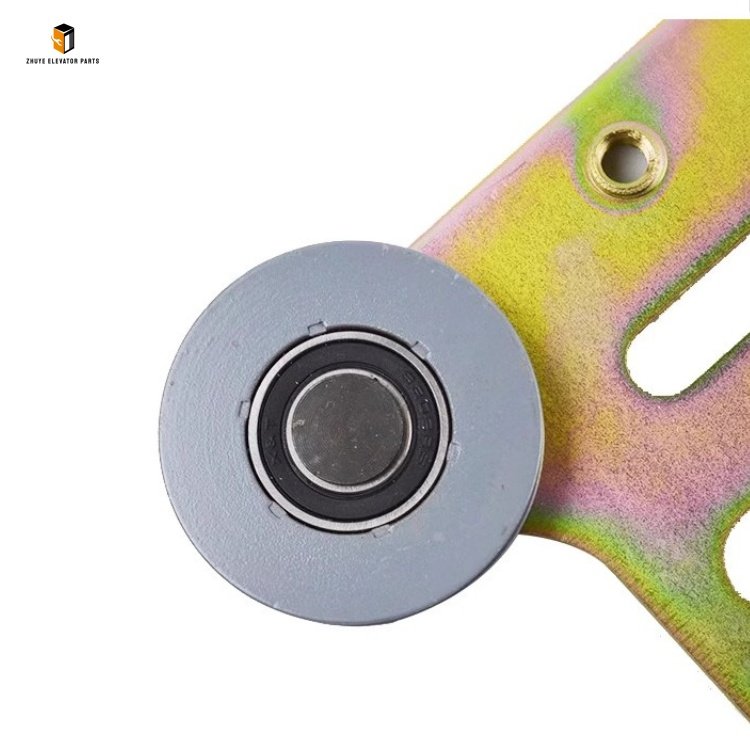
Component Assembly: Install the door hanger rollers (matching Hitachi specifications) on the reserved positions of the hanging plate. Ensure the rollers rotate flexibly without jamming and are aligned with the door rail. Connect the door panel’s transmission mechanism (e.g., synchronous belt, link rod) to the hanging plate’s reserved interface, ensuring smooth transmission without binding.
-
Post-Installation Adjustment: Remove the temporary support frame and manually push the door panel to check for smooth movement (no jamming, dragging, or obvious shaking). Adjust the height of the hanging plate to ensure the door panel is parallel to the door frame and the gap between the door panels is uniform (consistent with Hitachi’s original standards). Operate the door system continuously 10–15 times to confirm stable operation without abnormal noise.
2. Daily Operation & Routine Inspection
Regular inspections are crucial to early detection of hanging plate wear or deformation and ensuring the safety of the elevator door system. Maintenance personnel should incorporate the following checks into their daily patrols:
-
Daily Visual Inspection: During shaft patrols, check the external condition of the 800/900 door hanging plate. Ensure the electrophoresis coating is free of peeling, rust, or corrosion; the plate has no obvious deformation, cracks, or bending; the mounting bolts are tight without looseness, missing, or thread damage. Observe the door opening/closing process to check for abnormal shaking of the door panel (indicating potential hanging plate faults).
-
Weekly Functional Check: Operate the elevator in inspection mode to move the door panel up and down slowly. Use a straightedge to measure the flatness of the hanging plate (allowable deviation ≤ 1mm) to detect subtle deformation. Check the tightness of all mounting bolts—retighten if any looseness is found. Clean the hanging plate’s surface and bolt connections to remove dust and oil stains.
-
Monthly Load-Bearing & Wear Detection: Check the connection between the hanging plate and door panel/roller for wear marks. Use a caliper to measure the thickness of the hanging plate’s key stress points (e.g., around the bolt holes) to ensure no excessive wear (wear amount ≤ 0.5mm). Verify the door panel’s verticality during operation to ensure the hanging plate is not deformed under load.
3. Regular Maintenance Schedule
Systematic maintenance can effectively extend the service life of the Hitachi 800/900 door hanging plate. Follow Nanjing Zhuye Elevatorparts’ recommended maintenance plan (aligned with Hitachi’s maintenance standards):
-
Quarterly Maintenance: Disconnect the power supply and fix the door panel to a safe position. Disassemble the hanging plate (if necessary) and thoroughly clean its surface, bolt holes, and connection interfaces with a professional cleaner (avoid using corrosive agents). Inspect the plate for hidden cracks or fatigue damage (use a magnifying glass for detailed inspection). Reinstall the plate and replace any worn or damaged bolts with genuine Hitachi parts provided by Nanjing Zhuye.
-
Semi-Annual Performance Test: Conduct a load-bearing test on the hanging plate—simulate the full-weight operation of the door panel to verify the plate’s stability without deformation. Check the coordination between the hanging plate and other door components (rollers, transmission mechanism) to ensure smooth transmission. For elevators in high-traffic areas (e.g., shopping malls, airports), increase the test frequency to once every 3 months.
-
Annual Professional Overhaul: Arrange a professional inspection with Nanjing Zhuye Elevatorparts’ certified technical team (familiar with Hitachi elevator systems). Conduct a comprehensive performance evaluation of the hanging plate, including structural strength, corrosion status, and dimensional accuracy. Calibrate the mounting position of the hanging plate to meet Hitachi’s original factory standards. Replace aging or severely worn hanging plates with genuine 800/900 units if necessary.
Recommended Replacement Cycle for Hitachi Elevator Door Hanging Plate 800/900
As a core load-bearing component bearing long-term door panel weight, frequent mechanical friction, and environmental erosion (humidity, dust, vibration), the Hitachi Elevator Door Hanging Plate 800/900 has a specified service life. Timely replacement is critical to avoiding faults such as plate deformation, cracking, or bolt loosening—issues that may lead to door panel jamming, uneven movement, or even door panel detachment, posing serious safety risks.
1. Standard Replacement Cycle
Under normal operating conditions (Hitachi elevator daily operation time 12–24 hours, daily door opening/closing times ≥ 1200, environment temperature -10–60℃, humidity 10%–95%), the recommended replacement cycle for the Hitachi Elevator Door Hanging Plate 800/900 is 4–5 years. This cycle is determined based on Nanjing Zhuye Elevatorparts’ long-term field data, Hitachi’s original factory component life standards, and actual operation feedback of Hitachi elevators worldwide.
2. Adjustments for Special Scenarios
-
Harsh Environments: For Hitachi elevators in high-humidity coastal areas (salt spray corrosion), high-dust construction sites, or shafts with large temperature fluctuations (e.g., unheated industrial buildings), the replacement cycle should be shortened to 2–3 years. Harsh conditions accelerate plate corrosion, material fatigue, and bolt damage, significantly reducing reliability.
-
Low-Frequency Use Scenarios: For Hitachi elevators with low usage frequency (e.g., villa elevators, small office buildings with daily operation time < 8 hours) and clean, stable shaft environments, the replacement cycle can be extended to 5–6 years—only if Nanjing Zhuye’s professional inspection confirms the hanging plate’s structural integrity, load-bearing capacity, and corrosion status are intact (consistent with Hitachi’s original standards).
3. Immediate Replacement Conditions
Replace the Hitachi Elevator Door Hanging Plate 800/900 immediately if any of the following issues occur, regardless of service life:
-
The hanging plate has obvious deformation (flatness deviation > 2mm), cracks, or bending, leading to unsmooth door movement, abnormal noise, or uneven door gaps.
-
The electrophoresis coating is severely peeled off, and the plate has severe rust or corrosion (rust area > 10% of the total area), affecting structural strength.
-
The mounting bolt holes are worn or deformed, leading to loose bolt connection or inability to fasten tightly—posing risks of plate detachment.
-
The hanging plate fails to pass the load-bearing performance test, with obvious deformation under normal door panel weight—threatening the safe operation of the door system.
In conclusion, the Hitachi Elevator Door Hanging Plate 800/900 supplied by Nanjing Zhuye Elevatorparts is a genuine, high-reliability load-bearing component tailored for Hitachi elevator door systems. By following the correct usage methods, maintenance schedules, and replacement cycles, elevator maintenance teams can effectively ensure the stable and safe operation of Hitachi elevator door systems, enhance passenger ride comfort and safety, and minimize failure risks. Choosing Nanjing Zhuye Elevatorparts means you get not only 100% genuine Hitachi 800/900 door hanging plates but also professional technical support, including Hitachi model matching guidance, on-site installation advice, and prompt after-sales service.