
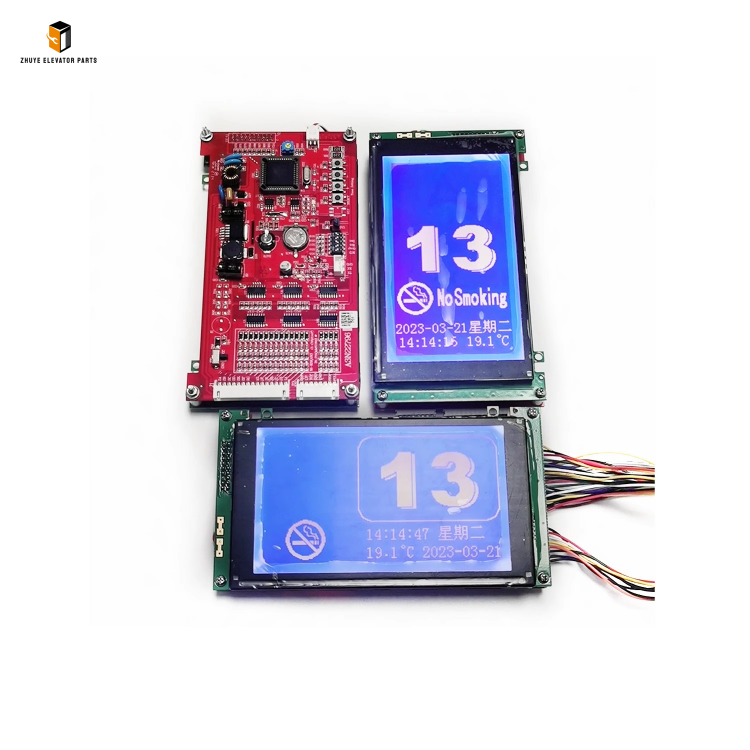
Description
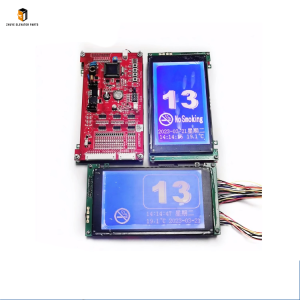
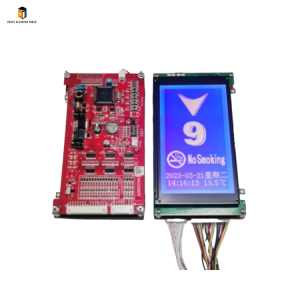
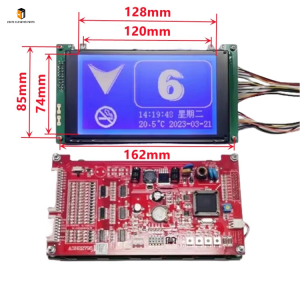
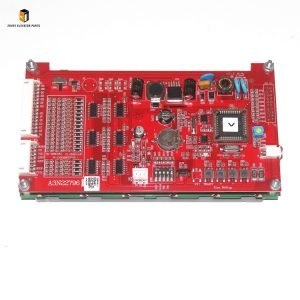
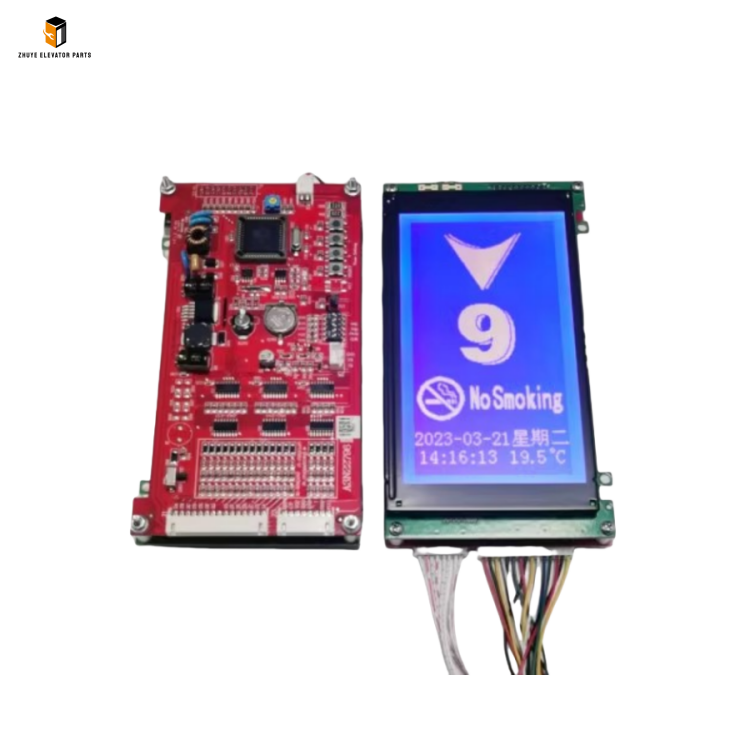
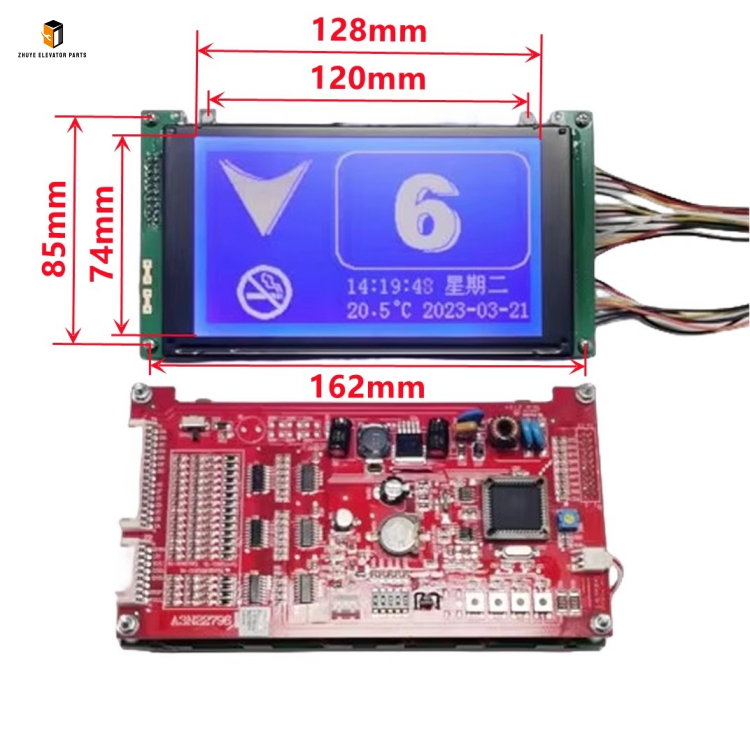
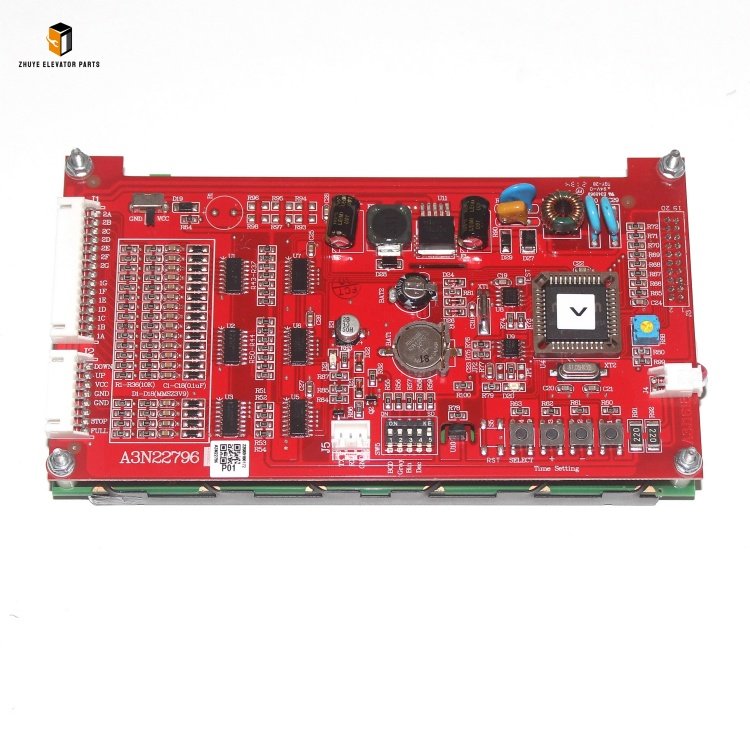
Elevator BVC500 LCD display A3N22796 A3J16187A2 Brief Introduction
|
Product Name |
Elevator BVC500 LCD display |
| Model Number | A3N22796
A3J16187A2 BVC500 240128A |
|
Quality
|
Original.Brand New
|
|
Payment
|
T/T. Paypal. Western Union
|
|
Delivery
|
3-5 Working Days
|
|
Packaging
|
Packed by carton
|
Elevator BVC500 LCD Display A3N22796: High-Definition & Versatile Display Solution
As a universal and high-performance display component, the Elevator BVC500 LCD Display A3N22796 is widely used in various elevator models, serving as a key human-machine interaction hub in both cabs and landing operation panels (LOP). It is responsible for delivering real-time elevator status information—including floor numbers, running direction, fault prompts, and door operation status—directly affecting passenger ride experience and operational safety. The Elevator BVC500 LCD Display A3N22796, exclusively supplied by Nanjing Zhuye Elevatorparts—a professional and trusted distributor of high-quality elevator components—is meticulously engineered to comply with international elevator safety standards (EN 81-20, GB 7588) and BVC500 system technical specifications. Featuring a high-definition LCD screen, stable signal transmission, strong compatibility, and robust environmental adaptability, this display provides reliable information guidance for elevators in residential buildings, commercial complexes, office towers, and public facilities worldwide.
Nanjing Zhuye Elevatorparts has long been committed to providing authentic and high-quality elevator components, adhering to the core principle of “quality first, safety paramount”. Each unit of the A3N22796 undergoes rigorous pre-delivery inspections, covering display clarity verification, signal response speed testing, compatibility assessment with BVC500 systems, and durability trials. The display adopts high-grade industrial LCD modules and anti-interference circuit boards: the industrial LCD module ensures bright, uniform display with low power consumption and long service life, even under 12–24 hours of continuous daily operation; the precision circuit board integrates advanced anti-interference technology, effectively shielding electromagnetic interference from elevator traction and control systems to avoid display glitches. Its versatile design allows seamless integration with BVC500 elevator control systems, while the scratch-resistant and anti-glare screen surface ensures clear visibility under various lighting conditions in cabs and landing lobbies.
Proper Usage Methods of Elevator BVC500 LCD Display A3N22796
Correct installation, commissioning, and regular maintenance are crucial to maximizing the display effect, operational stability, and service life of the A3N22796. Follow these key guidelines for optimal integration with BVC500 elevator systems:
1. Installation & Commissioning
Prior to installation, confirm the compatibility of the A3N22796 with the specific elevator model and installation location (cab/LOP) by referring to Nanjing Zhuye Elevatorparts’ detailed compatibility manual and BVC500 system specifications. Professional technicians are required for the installation process, which includes the following steps:
-
First, cut off the elevator power supply and secure the work area to ensure safety. Thoroughly clean the installation slot (in the cab wall/ceiling or landing LOP) to remove dust, oil stains, and debris, providing a stable and flat mounting base for the display.
-
Accurately place the A3N22796 into the installation slot, ensuring a tight fit without gaps and alignment with the external surface of the cab or LOP. Fix the display firmly using matching screws from the back of the slot. The tightening torque must comply with BVC500 system technical requirements (typically 2–4 N·m) to avoid damaging the display’s circuit board, screen, or the elevator’s decorative structure.
-
Correct wiring connection: In accordance with the wiring diagram provided by Nanjing Zhuye Elevatorparts and BVC500 system guidelines, connect the display’s power wires (usually DC 12V/24V) and signal wires to the corresponding terminals of the elevator main controller or BVC500 control board. Ensure all connections are tight and reliable, and the wire insulation layer is intact to prevent short circuits or poor contact. Pay special attention to the positive and negative poles of the power supply and the correctness of signal pin connections to avoid irreversible damage to the display’s internal modules.
-
Post-installation commissioning: Restore the elevator power supply, check if the display lights up normally, and verify the clarity and completeness of the displayed content (floor number, running direction, fault prompts, etc.). Operate the elevator in inspection mode to confirm that the display synchronously updates the elevator’s real-time status. Simulate common fault scenarios (e.g., overload, door obstruction) to test if the display accurately triggers corresponding prompt information. If abnormalities such as dim display, missing content, or flickering occur, recheck the wiring and installation position and adjust promptly.
2. Daily Operation & Routine Inspection
Regular daily inspections are essential to early fault detection and ensuring the reliable operation of the A3N22796. Maintenance personnel should perform the following checks:
-
During daily elevator operation, observe the display status regularly. Abnormal phenomena such as no display, blurred content, flickering, delayed information update, or garbled characters indicate potential faults in the display or wiring.
-
Conduct weekly visual inspections and cleaning: Use a dry, lint-free microfiber cloth to gently wipe the display surface, removing dust, fingerprints, and minor stains. Avoid using water, alcohol, acetone, or other corrosive/volatile cleaners that may damage the screen’s anti-glare coating. Check the display’s edge, fixing screws, and wiring terminals for cracks, deformation, looseness, or oxidation, and retighten loose screws in a timely manner.
-
Periodically check the wiring connections (after cutting off the power supply). Ensure the wires are not loose, aged, or damaged, and the terminals are free of oxidation. Resolve any wiring issues (such as broken wires or loose terminals) immediately to avoid display malfunctions that may confuse passengers.
3. Regular Maintenance
In addition to daily inspections, systematic regular maintenance is necessary to extend the service life of the A3N22796:
-
Every 3 months, conduct a comprehensive inspection of the display’s installation status and wiring connections. Check if the display is loose or displaced due to long-term elevator vibration and adjust the fixing screws if needed. Use a multimeter to detect the power supply voltage, ensuring it remains within the standard range (typically DC 12V ± 0.5V or 24V ± 1V) to avoid component damage caused by voltage fluctuations.
-
Every 6 months, perform a full performance test: Verify the display’s brightness, contrast, and color uniformity. Calibrate the brightness to ensure clear visibility under both strong light (e.g., sunlight entering the cab or landing lobby) and low-light conditions. Check the integrity of the display interface and confirm that all status information and prompt messages can be displayed normally in coordination with the BVC500 system.
-
Annually, arrange professional maintenance with Nanjing Zhuye Elevatorparts’ technical team. Disassemble the display to inspect internal components (including the LCD module, circuit board, and connectors), remove internal dust with professional tools, and replace aging components (such as capacitors or connectors) if necessary. This ensures the long-term stable operation of the display and maintains its performance at the factory standard.
Recommended Replacement Cycle of Elevator BVC500 LCD Display A3N22796
As a key human-machine interaction component of BVC500 elevator systems, the A3N22796 has a specified service life. Timely replacement is critical to avoiding information display errors, ensuring passenger ride comfort, and maintaining the normal operation of the elevator’s information transmission system.
1. Standard Replacement Cycle
Under normal operating conditions (12–18 hours of daily operation, standard environment: temperature 5–40℃, humidity 20%–80%), the recommended replacement cycle for the A3N22796 is 5–7 years. This cycle is determined based on the product’s LCD module lifespan data, circuit component aging rules, and long-term field operation feedback from Nanjing Zhuye Elevatorparts.
2. Scenario-Based Cycle Adjustment
-
Harsh Operating Environments: For elevators in high-humidity coastal regions, high-dust construction sites, high-temperature unventilated cabs/machine rooms, or areas with strong electromagnetic interference (e.g., near industrial equipment), the replacement cycle should be shortened to 4–5 years. Harsh conditions accelerate the aging of LCD modules, corrosion of circuit boards, and damage to the display surface, significantly reducing the display’s reliability and service life.
-
Low-Frequency Use Scenarios: For elevators with low usage frequency (e.g., villa elevators, small office buildings with less than 3,000 monthly rides) and stable operating environments, the replacement cycle can be appropriately extended to 7–8 years—provided a professional inspection by Nanjing Zhuye Elevatorparts confirms that the display’s brightness, clarity, signal stability, and structural integrity are intact.
3. Immediate Replacement Conditions
Regardless of the service life, the A3N22796 must be replaced immediately if any of the following issues are detected during inspection:
-
The display screen is severely cracked, scratched, or the backlight is permanently damaged, resulting in unreadable information that cannot be improved by cleaning or adjustment.
-
Persistent faults occur, such as no display, frequent flickering, black screen, or garbled characters—issues that cannot be resolved after checking wiring, power supply, and circuit connections with the BVC500 system.
-
The display’s signal response is significantly delayed (exceeding 2 seconds), leading to confusion for passengers and affecting the elevator’s operation monitoring.
-
The display fails the annual performance test, and key indicators (brightness, contrast, signal stability) cannot be restored to the standard range even after maintenance.
In conclusion, the Elevator BVC500 LCD Display A3N22796 supplied by Nanjing Zhuye Elevatorparts is a high-quality, versatile component tailored for BVC500 elevator systems. By following the correct usage methods, conducting regular maintenance, and adhering to the recommended replacement cycle, elevator maintenance teams can effectively enhance the operational stability of the elevator information display system, improve passenger ride experience and safety perception, and minimize failure risks. Choosing Nanjing Zhuye Elevatorparts and the A3N22796 means selecting authenticity, reliability, and professional technical support.