Description
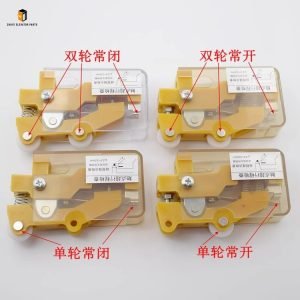
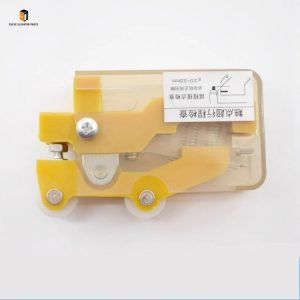
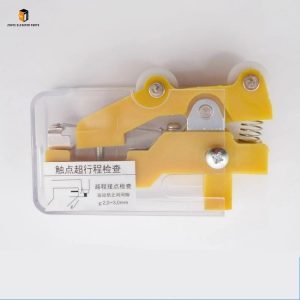
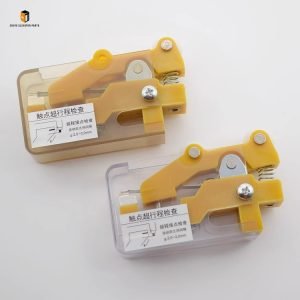
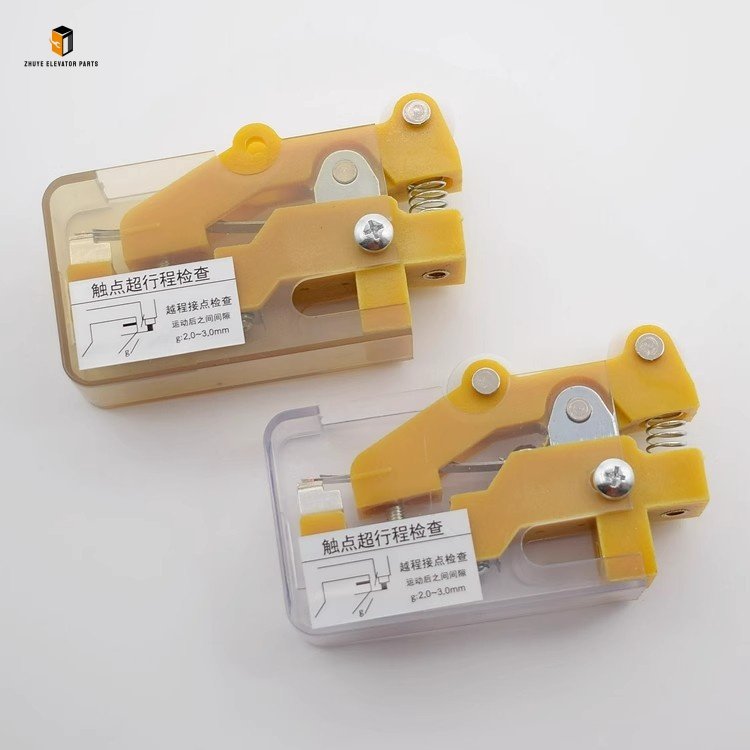
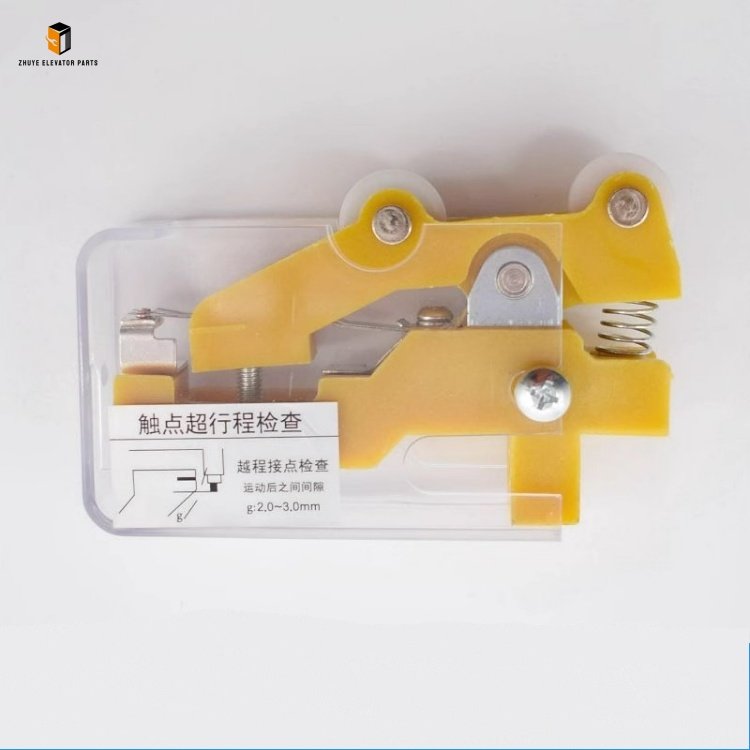
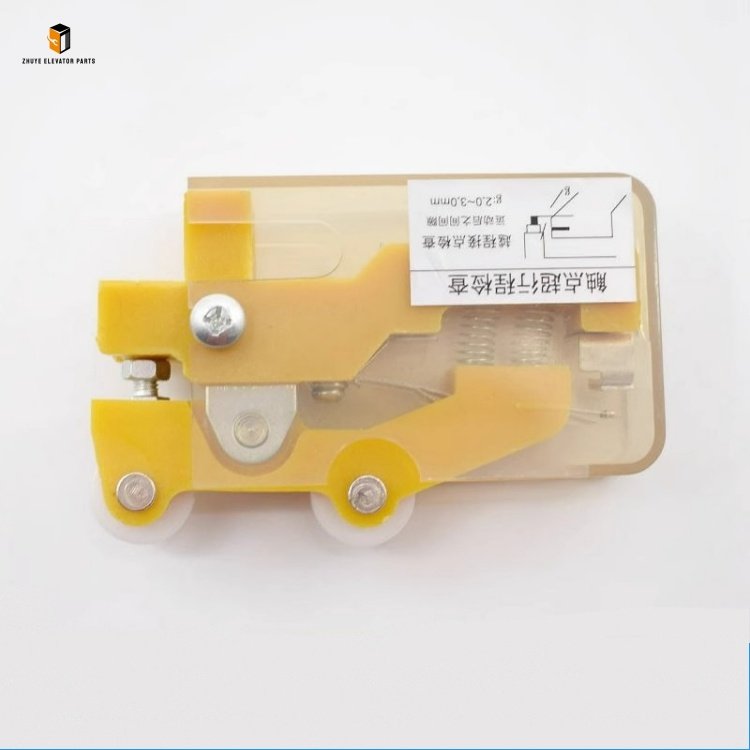
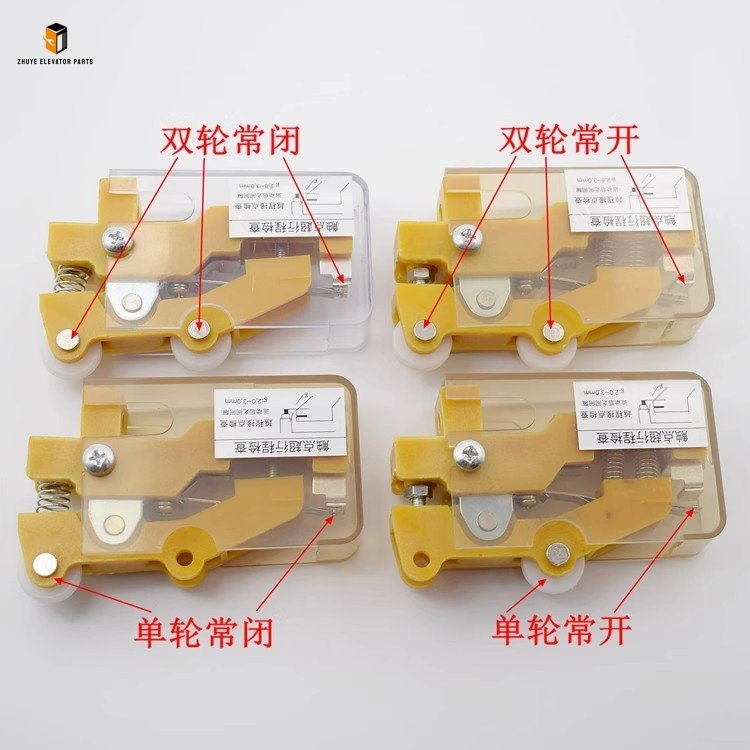
Hitachi Elevator Door Lock TKB-1A TKB-1B Brief Introduction
|
Product Name |
Hitachi Elevator Door Lock |
| Model Number | TKB-1A
TKB-1B |
|
Quality
|
Original.Brand New
|
|
Payment
|
T/T. Paypal. Western Union
|
|
Delivery
|
3-5 Working Days
|
|
Packaging
|
Packed by carton
|
Hitachi Elevator Door Lock TKB-1A & TKB-1B: The Safety Backbone of Elevator Door Systems
In the critical safety architecture of Hitachi elevator systems, door locks serve as a non-negotiable line of defense, preventing elevator operation when car or landing doors are not fully latched. The Hitachi Elevator Door Lock TKB-1A and TKB-1B, premium components supplied by Nanjing Zhuye Elevatorparts—a leading provider of high-reliability elevator spare parts—are engineered to meet strict OEM standards, ensuring seamless compatibility with Hitachi elevator models and uncompromising safety for passengers and maintenance personnel alike.
Tailored for different Hitachi elevator configurations, the TKB-1A and TKB-1B door locks feature robust mechanical latching structures paired with high-sensitivity contact switches. The TKB-1A is optimized for mid-rise residential elevator doors, delivering precise latching with minimal noise, while the TKB-1B is built to handle the heavy-duty, high-frequency operation of commercial elevator doors in shopping malls, hospitals, and transportation hubs. Nanjing Zhuye Elevatorparts subjects every unit to rigorous load and durability testing, verifying that the locks can withstand thousands of opening and closing cycles without failure, even in the dusty, humid environment of elevator shafts.
Installing the Hitachi Elevator Door Lock TKB-1A/TKB-1B from Nanjing Zhuye Elevatorparts requires strict adherence to professional safety protocols to avoid compromising system integrity. First and foremost, cut off the elevator’s main power supply and lock the power cabinet, posting a prominent safety warning to prevent accidental energization during installation. Next, locate the existing door lock assembly on the elevator car door or landing door frame. Remove the old lock by disconnecting the wiring harness from the contact switch and loosening the fixing bolts with a torque wrench. Clean the mounting surface thoroughly to remove dust, rust, or debris that may affect latching precision. Then, align the new TKB-1A/TKB-1B lock with the pre-drilled mounting holes, ensuring the latching tongue aligns perfectly with the strike plate on the opposite door frame. Fasten the bolts to the torque specifications recommended by Nanjing Zhuye Elevatorparts—over-tightening may warp the lock body, while under-tightening can cause latching instability. Reconnect the wiring harness to the contact switch, double-checking polarity to ensure the lock’s status signal is correctly transmitted to the elevator control system. Finally, conduct a full functionality test: manually close the doors to verify secure latching, and confirm that the elevator only starts running when the lock’s contact switch sends a closed signal. Adjust the strike plate position if needed to eliminate any latching gaps or abnormal noise.
While the TKB-1A and TKB-1B door locks are constructed with corrosion-resistant steel and wear-resistant components, timely replacement is critical to prevent safety hazards and operational downtime. Nanjing Zhuye Elevatorparts recommends a standard replacement cycle of 24–30 months under normal operating conditions. This timeline is based on the gradual wear of mechanical latching components and the oxidation of contact switch terminals caused by long-term use. For elevators in high-traffic locations—where doors open and close hundreds of times daily—the replacement cycle should be shortened to 18–24 months, as frequent mechanical stress accelerates component fatigue. For low-frequency scenarios like private villas or small office buildings, the cycle can be moderately extended but should never exceed 36 months, as prolonged use increases the risk of latching failure or contact switch malfunction.
In addition to following the recommended replacement cycle, maintenance teams must conduct routine inspections during regular elevator servicing. Key checkpoints include examining the lock body for signs of rust or deformation, testing the latching tongue’s flexibility, and verifying the contact switch’s signal transmission stability. If any abnormalities are detected—such as loose latching, intermittent signal loss, or abnormal noise during door closing—the TKB-1A/TKB-1B lock must be replaced immediately, regardless of its current service life. Delaying replacement can lead to catastrophic safety issues, including elevator movement with partially open doors, which endangers passenger safety and incurs costly regulatory penalties.
Nanjing Zhuye Elevatorparts has long been committed to providing the elevator industry with reliable, high-compatibility components and professional technical support. The Hitachi Elevator Door Lock TKB-1A and TKB-1B exemplify this commitment, offering Hitachi elevator operators a cost-effective solution to maintain system safety and efficiency. By choosing these door locks and adhering to proper installation and maintenance guidelines, building managers can minimize elevator downtime, reduce long-term maintenance costs, and ensure a consistently safe riding experience for passengers.
In conclusion, the TKB-1A and TKB-1B door locks are indispensable safety components for Hitachi elevator systems. With Nanjing Zhuye Elevatorparts’ strict quality control and comprehensive support, maintenance teams can safeguard elevator performance and compliance, ultimately benefiting both building management and end users.