
Description
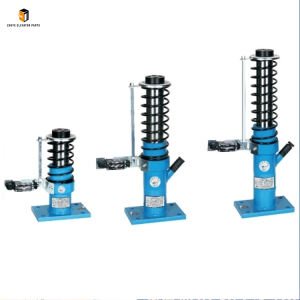
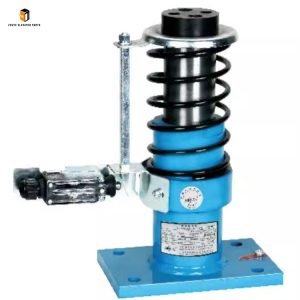
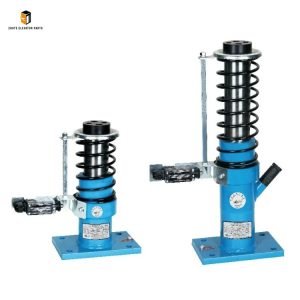
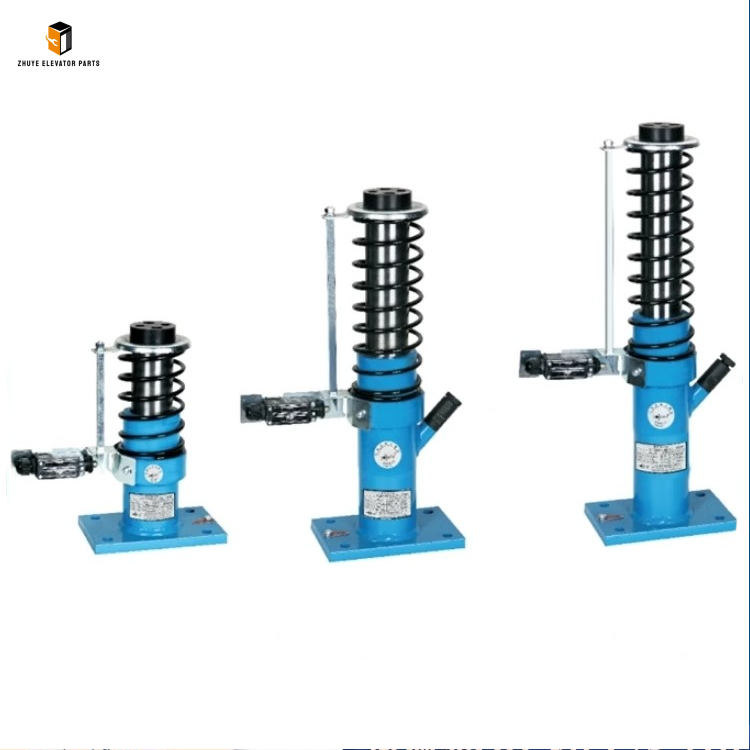
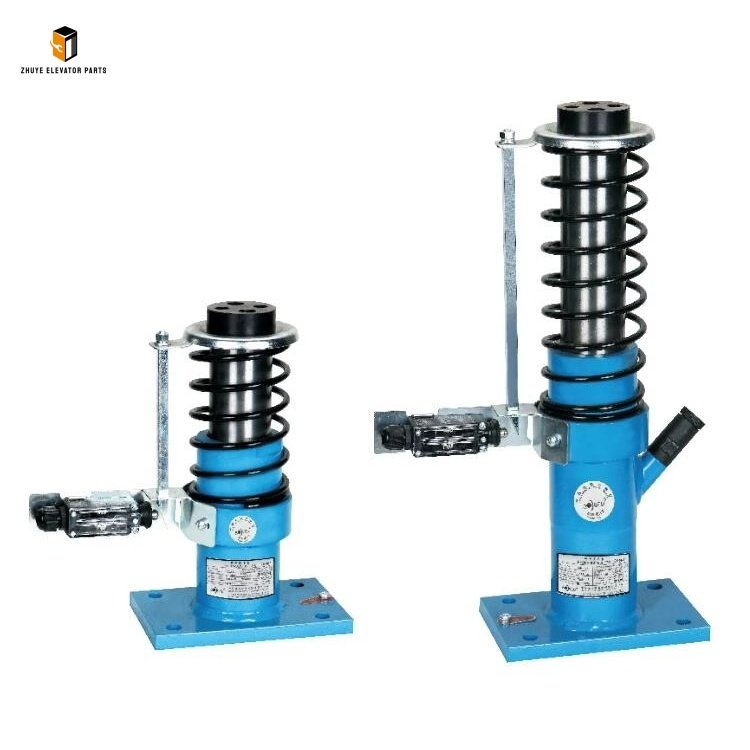
Elevator oil buffer OH-80/175/210/275/425 Brief Introduction
|
Product Name |
Elevator oil buffer |
| Model Number | OH-80
OH-175 OH-210 OH-275 OH-425 |
|
Quality
|
Original.Brand New
|
|
Payment
|
T/T. Paypal. Western Union
|
|
Delivery
|
3-5 Working Days
|
|
Packaging
|
Packed by carton
|
Elevator Oil Buffer OH-80/175/210/275/425: Safety Core for Elevator Emergency Protection
In elevator safety systems, the oil buffer stands as a last-line defense, designed to absorb impact energy and decelerate the elevator car smoothly in the event of an overspeed or overtravel emergency. The Elevator Oil Buffer Series OH-80/175/210/275/425 encompasses a range of high-performance models tailored to different elevator load capacities and travel heights, delivering reliable shock absorption and protecting passengers, maintenance personnel, and elevator components. As a trusted supplier of premium elevator safety parts, nanjing zhuye elevatorparts provides 100% genuine OH-series oil buffers, engineered to meet international safety standards (EN 81-20/50) and ensure long-term operational stability for various elevator brands.
Proper installation and usage are paramount to unlocking the full safety potential of the OH-80/175/210/275/425 oil buffers. Before installation, technicians must first select the appropriate model based on the elevator’s rated load and maximum travel speed—nanjing zhuye elevatorparts offers professional technical consultation to assist with model matching, avoiding compatibility risks. During installation, strictly adhere to safety protocols: ensure the elevator shaft pit is clean, dry, and free of debris, and verify that the mounting surface is level and firm (uneven surfaces can affect buffer performance). Fix the buffer to the pit base using high-strength bolts, ensuring the buffer rod is vertically aligned with the elevator car’s impact plate (misalignment may cause uneven force distribution during activation). After installation, check the oil level: each OH-series buffer is pre-filled with high-quality hydraulic oil, and the oil level must be between the “MIN” and “MAX” marks on the oil sight glass—nanjing zhuye elevatorparts provides detailed oil type specifications and refilling guidelines for long-term maintenance. Conduct a functional test: manually activate the buffer rod to ensure smooth retraction and rebound, and confirm that the buffer’s pressure relief valve operates normally to prevent overpressure.
In daily operation and maintenance, regular inspections are critical to ensuring the buffer’s readiness. It is recommended to inspect the OH-series oil buffers every 6 months: check for oil leaks (visible oil stains around the buffer body or base indicate a leak), verify the oil level and color (darkened or contaminated oil should be replaced immediately), and inspect the buffer rod for rust, deformation, or damage (a damaged rod may impair shock absorption). Clean the buffer surface and surrounding area with a dry cloth to prevent dust accumulation, and ensure the buffer’s travel path is unobstructed. Avoid exposing the buffer to extreme temperatures or corrosive substances, as these can degrade the hydraulic oil and seal components. Additionally, after any emergency activation (e.g., elevator overspeed event), the buffer must be fully inspected, the oil replaced if necessary, and its performance verified before the elevator is put back into service—nanjing zhuye elevatorparts offers on-site inspection and maintenance support for such scenarios.
Understanding the replacement cycle of the OH-80/175/210/275/425 oil buffers is essential to preventing safety hazards. Under normal operating conditions with regular maintenance, the service life of these oil buffers is 8–10 years. However, the cycle varies based on usage intensity and environmental factors. For elevators in high-traffic locations such as airports, shopping malls, or high-rise residential buildings—where the risk of emergency activation is relatively higher and the buffer may be subjected to more frequent inspections—the replacement cycle should be shortened to 6–8 years. In harsh environments, such as humid coastal areas (prone to rust) or industrial zones (exposed to dust and chemicals), the buffer’s internal hydraulic system and seals may degrade faster; in these cases, conduct a comprehensive performance test every 4 years. Immediate replacement is required if any of the following issues occur: persistent oil leaks that cannot be repaired, buffer rod deformation or corrosion, failure to retract/rebound smoothly, oil contamination beyond cleaning, or damage to the pressure relief valve. Delayed replacement can result in the buffer failing to activate during an emergency, leading to catastrophic consequences.
Nanjing zhuye elevatorparts not only supplies authentic OH-80/175/210/275/425 oil buffers but also offers comprehensive after-sales services, including installation guidance, maintenance training, and fast replacement support. All products undergo strict quality control tests, including pressure resistance and shock absorption performance checks, to ensure compliance with global safety standards. Choosing genuine oil buffers from nanjing zhuye elevatorparts not only safeguards passenger safety but also reduces liability risks for property management companies and elevator maintenance teams.
In conclusion, the Elevator Oil Buffer Series OH-80/175/210/275/425 is an indispensable safety component for elevators. With the reliable supply and professional technical support from nanjing zhuye elevatorparts, proper installation, standardized maintenance, and timely replacement will maximize the buffer’s performance, ensuring that elevators remain safe and reliable even in emergency scenarios.