


Description
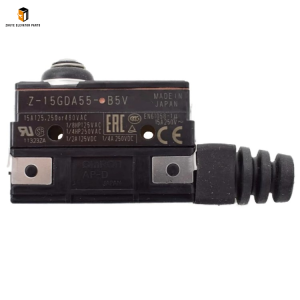
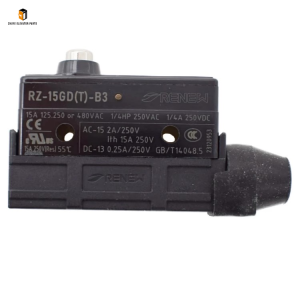
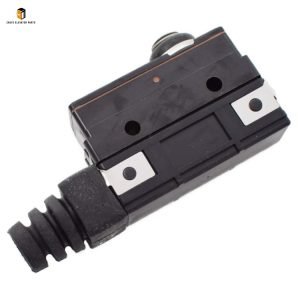
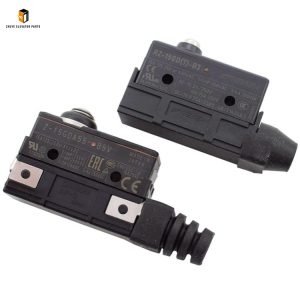
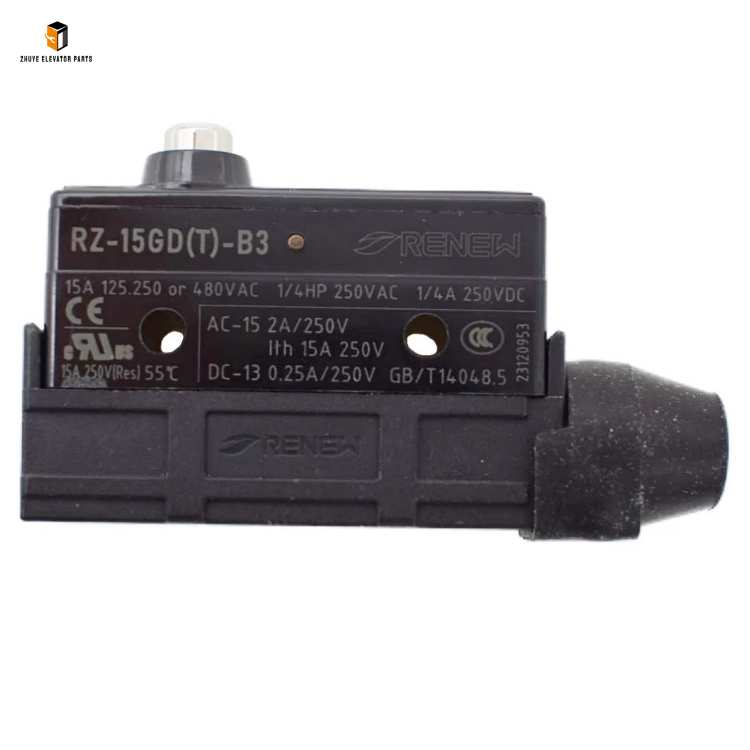
Elevator brake Switch RZ-15GD-B3(T) Z-15GDA55-B5V Brief Introduction
|
Product Name |
Elevator brake Switch |
| Model Number | RZ-15GD-B3(T)
Z-15GDA55-B5V |
|
Quality
|
Original.Brand New
|
|
Payment
|
T/T. Paypal. Western Union
|
|
Delivery
|
3-5 Working Days
|
|
Packaging
|
Packed by carton
|
Elevator Brake Switches RZ-15GD-B3(T) & Z-15GDA55-B5V: Reliable Safety Switches for Elevator Systems
Proper Usage Methods of RZ-15GD-B3(T) and Z-15GDA55-B5V Brake Switches
- Model Matching & Installation
Before installation, confirm that the switch model is compatible with the elevator’s brake system specifications. Nanjing Zhuye Elevatorparts provides detailed compatibility guides for each switch variant. During installation, fix the switch to the designated mounting bracket of the brake mechanism using the matching screws, ensuring a tight and non-loosening fit. Align the switch’s trigger rod with the brake’s moving part to guarantee that the switch can be accurately activated when the brake engages or releases.
- Wiring & Debugging
Connect the switch’s wiring terminals to the elevator’s control circuit strictly following the wiring diagram provided by Nanjing Zhuye Elevatorparts. Wrong wiring may lead to switch failure or even damage to the elevator control system. After wiring, conduct a debugging test: run the elevator at a low speed, observe whether the switch’s indicator light (if equipped) responds correctly to the brake’s state changes, and verify that the elevator control system can receive accurate signal feedback from the switch.
- Daily Maintenance & Inspection
Assign professional maintenance personnel to inspect the switches monthly. Check for loose screws, damaged wiring insulation, or accumulated dust on the contact points. Use a dry, clean cloth to wipe the switch surface and contacts to avoid poor contact caused by dust buildup. Avoid using water or corrosive cleaning agents, as they may damage the switch’s insulating properties.
Recommended Replacement Cycle of RZ-15GD-B3(T) and Z-15GDA55-B5V Brake Switches
- Standard Replacement Cycle
Under normal operating conditions (8,000–10,000 brake cycles per month), the recommended replacement cycle for RZ-15GD-B3(T) and Z-15GDA55-B5V is 3–4 years. This cycle is formulated based on the fatigue test data of the switch contacts and long-term field operation feedback collected by Nanjing Zhuye Elevatorparts.
- Scenario-Based Cycle Adjustment
For elevators operating in harsh environments—such as high humidity, high temperature, or areas with heavy dust—the replacement cycle should be shortened to 2–3 years. Harsh conditions accelerate the aging of insulating materials and corrosion of metal contacts, reducing the switch’s reliability. For low-frequency use scenarios (e.g., villa elevators with less than 1,000 monthly cycles), the replacement cycle can be extended to 4–5 years after a professional inspection confirms the switch’s performance remains intact.
- Immediate Replacement Conditions
Replace the switch immediately if any of the following issues are detected, regardless of its service life: the switch fails to send accurate signals to the control system; the contact points show obvious oxidation or melting; the switch housing is cracked or deformed; or the trigger rod is stuck and cannot reset automatically.