

Description
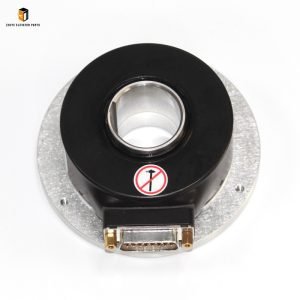
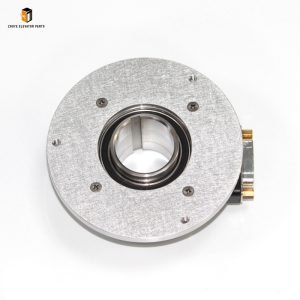
Otis elevator Heidenhain encoder AAA633L1/ABA633L1 Brief Introduction
|
Product Name |
Otis elevator Heidenhain elevator encoder |
| Model Number | AAA633L1
ABA633L1 |
|
Quality
|
Original.Brand New
|
|
Payment
|
T/T. Paypal. Western Union
|
|
Delivery
|
3-5 Working Days
|
|
Packaging
|
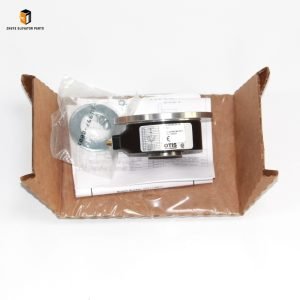
Packed by carton
|
Otis Elevator Heidenhain Encoder AAA633L1/ABA633L1: Usage Guide, Replacement Cycle & Trusted Supply from Nanjing Zhuye
The Otis Elevator Heidenhain Encoder AAA633L1/ABA633L1 is a mission-critical precision feedback component, co-engineered by Otis and Heidenhain (a global leader in motion control technology) for Otis’ premium elevator systems—including GEN2, Sigma, and Series 400 models. Designed for high-traffic commercial high-rises, transit hubs, and luxury residential buildings, this incremental encoder delivers ultra-precise data on traction motor rotation speed, direction, and elevator car position to the main controller. With a high resolution (typically 1024–2048 pulses per revolution, PPR), it enables smooth acceleration/deceleration, accurate floor leveling (deviation ≤±2mm), and reliable speed regulation—directly impacting passenger comfort, operational efficiency, and safety. The AAA633L1/ABA633L1 integrates Heidenhain’s proprietary optical scanning technology, robust mechanical design, and anti-interference signal processing, upholding both brands’ strict standards for durability and performance.
Compliant with global elevator safety and electronic standards (EN 81, IEC 60947, ISO 9001), the encoder features a rugged, industrial-grade construction: IP64-rated dust and moisture protection, corrosion-resistant stainless steel shaft, high-temperature-resistant optical components (-10°C to +60°C operating range), and shielded differential signal outputs (TTL/RS-422) to minimize electromagnetic interference (EMI). This design withstands 24/7 operation in machine rooms or hoistways, enduring mechanical vibration from motor rotation, temperature fluctuations, and environmental contaminants—critical for uninterrupted feedback transmission. For maintenance teams, facility managers, and elevator service providers, mastering proper installation, calibration, and replacement timelines is vital to avoiding speed control failures, floor misalignment, or elevator stalling. Nanjing Zhuye Elevator Parts, a trusted supplier of authentic Otis-Heidenhain components, delivers the AAA633L1/ABA633L1 that meets original manufacturing specifications—guaranteeing seamless compatibility, precise data output, and long-term reliability.
Proper Usage Methods of Otis Heidenhain AAA633L1/ABA633L1 Encoder
1. Pre-Installation Preparation
Before installation, prioritize safety by shutting off the elevator’s main power supply, engaging the emergency stop button, and securing the work area (machine room traction motor vicinity) with warning signs and lockout-tagout (LOTO) devices. Inspect the new encoder for physical damage—cracked housing, bent shaft, scratched optical lens, or faulty connectors—defects that impair signal accuracy or mechanical operation. Nanjing Zhuye’s strict quality control process ensures each unit arrives in optimal condition: intact housing, smooth shaft rotation (no resistance), functional optical sensors, and pre-tested signal output.
Verify compatibility with your Otis elevator model by cross-referencing the technical manual or consulting Nanjing Zhuye’s technical support team. Ensure three key details align: (1) the encoder’s resolution (PPR) matches the elevator’s control system requirements, (2) the shaft diameter (typically 6–8mm) and length fit the traction motor’s coupling, and (3) the electrical specifications (supply voltage: 5V DC, signal type: differential A/B/Z phases) are compatible with the main controller. Using an incompatible encoder causes erratic speed control, floor misalignment, or communication errors. Additionally, prepare the installation area: Clean the motor shaft coupling surface to remove dust, rust, or debris. Inspect the coupling for wear or misalignment—replace if necessary to ensure smooth encoder shaft rotation.
2. Installation & Calibration Steps
- Encoder Mounting:
- Align the encoder with the traction motor’s shaft coupling, ensuring concentricity (maximum runout ≤0.1mm) to avoid shaft stress. Secure the encoder to the motor bracket using the provided screws (torque to 1.5–2.0 Nm) to prevent vibration-induced movement. Use a flexible coupling if minor misalignment exists—rigid mounting damages the encoder’s internal bearings.
- If replacing an old encoder, disconnect the existing unit by removing the electrical connector and unfastening mounting screws. Take detailed photos of the original position, shaft alignment, and wiring to replicate during installation—consistent positioning ensures accurate feedback.
- Electrical Connection:
- Connect the encoder’s shielded signal cable to the elevator’s main controller, following Otis’ wiring schematic. Match A/B/Z phase wires to corresponding controller terminals and ensure correct polarity for the 5V DC power supply. Route the cable away from high-voltage motor wires to reduce EMI, and secure with cable ties to avoid tension or abrasion.
- Calibration & Function Testing:
- Restore power (by certified Otis technicians) and initiate calibration via the main controller’s diagnostic software. The controller verifies signal integrity, pulse count accuracy, and direction detection—confirm a “calibration successful” message before proceeding.
- Conduct three critical tests:
- Speed Accuracy Test: Operate the elevator at rated speed—verify encoder feedback matches the controller’s set speed (tolerance ±0.3%).
- Floor Leveling Test: Run to multiple floors—confirm alignment deviation ≤±2mm, the encoder’s position data ensures precise stopping.
- Fault Simulation Test: Temporarily disconnect one signal wire—ensure the controller logs an error and enters safe mode (reduced speed or emergency stop).
- Document installation details, calibration results, and test logs in maintenance records to demonstrate compliance with Otis’ standards.
3. Routine Usage Maintenance
To preserve performance and extend lifespan, implement these proactive practices:
- Daily Visual Inspections: Check for physical damage, loose mounting screws, or cable wear. Verify the housing is free from dust, moisture, or oil contamination.
- Weekly Shaft Rotation Check: Manually rotate the encoder shaft (power off) to ensure smooth movement—no grinding or resistance (indicates bearing wear).
- Monthly Signal Verification: Use an oscilloscope to check A/B/Z phase signals—stable square waves with no distortion confirm proper operation. Replace the cable if signals are noisy.
- Quarterly Connection Inspections: Tighten electrical connectors and mounting screws. Clean the encoder housing with a dry cloth to remove dust buildup (traps heat).
- Annual Comprehensive Inspection: By authorized technicians, remove the encoder to inspect the shaft, bearings, and optical lens. Test pulse resolution with specialized equipment—replace if performance deviates from specifications.
Recommended Replacement Cycle
The service life of the Otis Heidenhain AAA633L1/ABA633L1 depends on usage intensity, environmental conditions, and maintenance quality. Based on Otis-Heidenhain engineering standards and Nanjing Zhuye’s expertise:
1. Standard Replacement Cycle
Under normal operating conditions (12–18 hours daily use, regular maintenance, -10°C to +60°C), replace every 7–10 years. This timeframe accounts for gradual bearing wear, optical component degradation, and signal cable fatigue—proactive replacement avoids unexpected feedback failures.
2. Signs That Require Immediate Replacement
Replace the encoder if:
- Feedback Failures: Erratic speed, floor misalignment (>±5mm), or stalling—encoder not transmitting accurate data.
- Mechanical Damage: Bent shaft, cracked housing, or seized bearings—prevents smooth rotation and signal generation.
- Electrical Issues: No signal output, distorted phases, or persistent fault codes (unresolved by wiring checks).
- Performance Degradation: Reduced speed accuracy (>±1%), inconsistent leveling, or noisy signals—worn optical sensors.
- Safety Compromise: Overshooting floors or unsafe speed operation—violates EN 81/ASME standards, risking passenger injury.
3. Maintenance to Extend Service Life
- Environmental Control: Keep the machine room clean, dry, and well-ventilated. Protect from oil leaks or extreme temperatures—install a protective cover if exposed to contaminants.
- Bearing Care: Avoid excessive force on the shaft during maintenance—use proper tools to prevent bending or bearing damage.
- Cable Protection: Replace signal cables every 4–5 years as preventive maintenance, even if no visible damage exists.
- Genuine Parts Only: Use authentic Otis-Heidenhain encoders from Nanjing Zhuye. Counterfeit units lack Heidenhain’s optical technology and EMI shielding, risking catastrophic control failures.
Why Choose Nanjing Zhuye Elevator Parts for AAA633L1/ABA633L1?
Nanjing Zhuye offers unmatched advantages for safety-focused professionals:
- Authenticity & Compatibility: Genuine Otis-Heidenhain components, seamless integration with GEN2/Sigma/Series 400 elevators.
- Strict Quality Assurance: Rigorous testing for pulse accuracy, signal stability, mechanical durability, and environmental resilience.
- Expert Technical Support: Certified engineers provide 24/7 assistance for installation, calibration, and troubleshooting—even for complex control systems.
- Global Efficient Delivery: Fast shipping minimizes downtime, critical for high-traffic facilities.
- Competitive Pricing: Direct sourcing from authorized channels eliminates middlemen, offering cost-effective solutions without compromising quality.
Conclusion
The Otis Heidenhain AAA633L1/ABA633L1 encoder is a cornerstone of precise, safe elevator operation—enabling smooth speed control and accurate floor leveling. By following proper installation, calibration, and maintenance practices, paired with Nanjing Zhuye’s authentic components, you can keep Otis elevators downtime-free and compliant with global standards. Whether you need a single replacement encoder, technical support, or bulk orders, Nanjing Zhuye delivers premium Otis-Heidenhain components and tailored services. Invest in your elevator’s precision and reliability—choose Nanjing Zhuye Elevator Parts for your AAA633L1/ABA633L1 requirements.