

Description
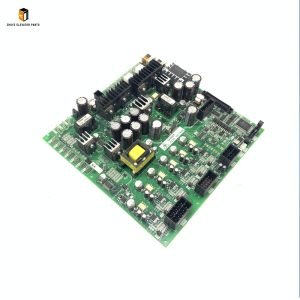
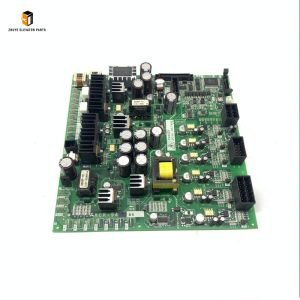
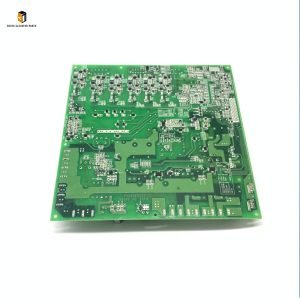
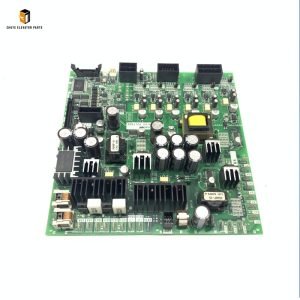
Mitsubishi elevator pcb drive board KCR-946A Brief Introduction
|
Product Name |
Mitsubishi elevator pcb drive board |
| Model Number | KCR-946A
KCR-945A KCR-948A |
|
Quality
|
Original.Brand New
|
|
Payment
|
T/T. Paypal. Western Union
|
|
Delivery
|
3-5 Working Days
|
|
Packaging
|
Packed by carton
|
Mitsubishi Elevator PCB Drive Board KCR-946A: Usage Guide, Replacement Cycle & Trusted Supply from Nanjing Zhuye
The Mitsubishi Elevator PCB Drive Board KCR-946A is a mission-critical traction control component exclusively engineered for Mitsubishi elevator systems—essential for commercial high-rises, residential complexes, public transit facilities, and office buildings worldwide. As the “motor control core” for Mitsubishi NexWay, ELENESSA, and MAXIEZ series elevators, this advanced PCB (Printed Circuit Board) governs key drive functions: precise traction motor speed regulation, torque control during acceleration/deceleration, regenerative braking management, and real-time fault diagnosis. It integrates Mitsubishi’s proprietary IGBT (Insulated Gate Bipolar Transistor) driver modules, high-precision current/voltage feedback circuits, and adaptive control algorithms—ensuring smooth, energy-efficient elevator operation while upholding the brand’s strict standards for safety, stability, and performance.
Compliant with global safety and electronic standards (EN 81, IEC 61010, ISO 9001), the KCR-946A features a rugged, interference-resistant design: multi-layer PCB substrate for signal integrity, shielded power terminals to minimize EMI (electromagnetic interference), built-in overcurrent/overvoltage/overtemperature protection, and conformal coating on circuit traces to resist dust and moisture. This construction withstands 24/7 operation in inverter cabinets, enduring temperature fluctuations (-5°C to +45°C), mechanical vibration, and electrical stress—critical for uninterrupted traction system performance. For maintenance teams, facility managers, and elevator service providers, mastering the correct installation, configuration, and replacement timelines of this drive board is vital to avoiding motor malfunctions, elevator stalling, or safety hazards. Nanjing Zhuye Elevator Parts, a trusted supplier of authentic Mitsubishi components, delivers the KCR-946A that meets Mitsubishi’s original manufacturing specifications—guaranteeing seamless compatibility, precise motor control, and long-term durability.
Proper Usage Methods of Mitsubishi Elevator PCB Drive Board KCR-946A
1. Pre-Installation Preparation
Before installation, prioritize safety by shutting off the elevator’s main power supply, discharging the inverter’s DC link capacitor (per Mitsubishi’s safety protocols), and securing the inverter cabinet with lockout-tagout (LOTO) devices. Inspect the new KCR-946A for physical damage—such as cracked PCB traces, bent connector pins, loose components, or burn marks on IGBT modules—defects that can cause motor control failures or short circuits. Nanjing Zhuye’s strict quality control process ensures each unit arrives in optimal condition: intact circuit traces, functional IGBT drivers, pre-loaded Mitsubishi-compatible firmware, and clear port labeling for error-free wiring.
Verify compatibility with your Mitsubishi elevator model by cross-referencing the technical manual or consulting Nanjing Zhuye’s technical support team. Ensure three key details align: (1) the drive board’s part number (KCR-946A) matches the elevator’s inverter system design, (2) the firmware version is compatible with the main controller, and (3) the IGBT module ratings (voltage/current) support the traction motor’s specifications. Using an incompatible drive board can result in erratic motor operation, failed regenerative braking, or complete inverter shutdown. Additionally, prepare the installation area: clean the inverter cabinet, ensure adequate ventilation (minimum 10cm clearance around the board), and confirm access to wiring harnesses and grounding points.
2. Installation & Configuration Steps
- Board Installation:
- Access the inverter cabinet in the machine room and remove the existing drive board by labeling and removing all connectors (power supply, IGBT modules, main controller communication, motor sensors, cooling fan). Take detailed photos of the wiring configuration—note port assignments, cable colors, and connector orientations—to ensure accurate reinstallation. Clean the mounting slot with compressed air to remove dust or debris.
- Align the new KCR-946A with the guide rails in the inverter cabinet and firmly seat it until the locking clips engage (or secure with the provided screws, torque to 0.6–0.9 Nm). Ensure the board is properly connected to the cabinet’s grounding rail to prevent electrostatic discharge (ESD) damage. Reconnect all connectors, ensuring each is fully locked (most use snap-in or screw-lock mechanisms)—loose connections are the leading cause of intermittent drive faults.
- Wiring Validation:
- Double-check wiring against Mitsubishi’s schematic diagram to confirm correct phase alignment for motor connections, proper polarity for power cables, and secure grounding. Use shielded cables for communication lines to reduce EMI interference, and route power cables separately from signal cables to avoid cross-talk. Tighten terminal screws (if applicable) to Mitsubishi’s specified torque (1.0–1.5 Nm) to avoid voltage drops or arcing.
- Post-Installation Configuration:
- Restore power to the inverter (performed by certified Mitsubishi technicians only) and access the configuration menu via Mitsubishi’s diagnostic software (e.g., MELDAS, GX Works) or the elevator’s main controller. Complete three critical steps:
- Motor Parameter Calibration: Input the traction motor’s rated voltage, current, speed, torque, and pole number to sync with the drive board’s control logic.
- Drive Control Settings: Configure acceleration/deceleration curves, speed limits, regenerative braking parameters, and torque compensation to match the elevator’s performance requirements.
- System Communication Test: Verify data exchange between the KCR-946A, main controller, and sensors—check for error codes related to signal loss or misalignment.
- Restore power to the inverter (performed by certified Mitsubishi technicians only) and access the configuration menu via Mitsubishi’s diagnostic software (e.g., MELDAS, GX Works) or the elevator’s main controller. Complete three critical steps:
- Functional Testing:
- Conduct comprehensive tests to validate performance:
- No-Load Test: Run the traction motor without the elevator car to confirm smooth speed regulation, no abnormal noise/vibration, and stable current output.
- Load Test: Operate the elevator through empty, half-loaded, and full-loaded cycles to ensure the drive board maintains consistent torque and speed under varying loads.
- Fault Simulation Test: Trigger minor faults (e.g., overcurrent, sensor error) to confirm the board activates protective mechanisms (emergency stop, overload cutoff) and relays accurate fault codes to the main controller.
- Document installation details, configuration settings, and test results in maintenance records to demonstrate compliance with Mitsubishi’s service requirements and safety regulations.
- Conduct comprehensive tests to validate performance:
3. Routine Usage Maintenance
To preserve the KCR-946A’s performance and extend its lifespan, implement these proactive maintenance practices:
- Weekly Visual Inspections: Check the drive board for loose connectors, damaged cables, or signs of overheating (discoloration of components, burning odors). Inspect the inverter cabinet’s cooling fan for proper operation and dust buildup.
- Monthly Diagnostic Checks: Use Mitsubishi’s diagnostic software to scan for drive-related error codes, current/voltage anomalies, or firmware issues. Record data to identify trends in component degradation.
- Quarterly Connection Inspections: Tighten all connector screws and terminal blocks—vibration during elevator operation can loosen connections over time. Replace frayed or damaged cables with genuine Mitsubishi parts from Nanjing Zhuye.
- Semi-Annual Cleaning: Remove dust from the drive board’s surface, connectors, and cooling fan using compressed air (low pressure to avoid component damage). Clean the inverter cabinet filters to maintain airflow.
- Annual Firmware Updates: Update the board’s firmware (as recommended by Mitsubishi or Nanjing Zhuye) to enhance control algorithms, fix software bugs, and improve compatibility with system upgrades.
Recommended Replacement Cycle
The service life of the Mitsubishi Elevator PCB Drive Board KCR-946A depends on usage intensity (daily operational hours, load frequency), environmental conditions, and electrical stress from motor control operations. Based on Mitsubishi’s engineering standards and Nanjing Zhuye’s technical expertise:
1. Standard Replacement Cycle
Under normal operating conditions (12–18 hours of daily use, regular maintenance, ambient temperature -5°C to +45°C), the KCR-946A should be replaced every 6–8 years. This timeframe accounts for gradual degradation of IGBT modules, feedback circuits, and microprocessors—proactive replacement avoids costly traction system failures and elevator downtime.
2. Signs That Require Immediate Replacement
Replace the drive board immediately if you encounter any of the following issues:
- Motor Control Failures: Erratic elevator movement (jerky acceleration/deceleration), inability to reach set speeds, or unresponsive traction motor—indicating faulty control logic.
- Persistent Fault Codes: Repeated drive-related errors (e.g., “IGBT Driver Fault,” “Current Feedback Error,” “Overload Fault”) that cannot be resolved with troubleshooting or firmware updates.
- Physical Damage: Cracked PCB traces, water intrusion, burned IGBT modules, or bent connector pins—compromising electrical safety and signal integrity.
- Performance Degradation: Increased energy consumption, reduced regenerative braking efficiency, frequent system resets, or motor current fluctuations exceeding ±10%.
- Safety Compromise: Failure to activate protective mechanisms (e.g., emergency stop, overheat cutoff) or relay critical safety signals—violating Mitsubishi’s safety standards and regulatory requirements.
3. Maintenance to Extend Service Life
- Environmental Control: Keep the inverter cabinet clean, dry, and well-ventilated. Install air conditioners or dehumidifiers if ambient temperature exceeds 45°C or humidity exceeds 85%.
- Power Stabilization: Install surge protectors and voltage regulators in the control circuit to shield the drive board from electrical transients and voltage spikes.
- ESD Protection: Use anti-static wristbands and tools during inspections or maintenance to prevent electrostatic damage to PCB components.
- Genuine Parts Only: For replacements or repairs, use exclusively authentic Mitsubishi KCR-946A drive boards and components from Nanjing Zhuye. Counterfeit boards use inferior IGBT modules, lack EMI shielding, and risk catastrophic system failure.
Why Choose Nanjing Zhuye Elevator Parts for Mitsubishi KCR-946A?
When sourcing the Mitsubishi Elevator PCB Drive Board KCR-946A, Nanjing Zhuye offers unmatched advantages for safety-focused professionals:
- Authenticity & Compatibility: All units meet Mitsubishi’s original manufacturing specifications, ensuring seamless integration with NexWay, ELENESSA, and MAXIEZ series elevators.
- Strict Quality Assurance: Each drive board undergoes rigorous testing (control precision, IGBT performance, thermal resilience, fault detection accuracy) to guarantee reliable traction system operation.
- Expert Technical Support: Certified engineers provide 24/7 assistance for installation, configuration, firmware updates, and troubleshooting—even for complex inverter system setups.
- Global Efficient Delivery: Fast shipping to worldwide locations minimizes control system downtime, ensuring uninterrupted elevator operation.
- Competitive Pricing: Direct sourcing from Mitsubishi’s authorized channels eliminates middlemen, offering cost-effective solutions without compromising quality or safety.
Conclusion
The Mitsubishi Elevator PCB Drive Board KCR-946A is a foundational traction control component that ensures precise, efficient operation of Mitsubishi elevator systems—directly impacting operational reliability, energy efficiency, and passenger safety. By following proper installation, configuration, and maintenance practices—paired with Nanjing Zhuye Elevator Parts’ authentic components—you can ensure Mitsubishi elevators remain downtime-free, compliant with safety regulations, and optimized for performance. Whether you need a single replacement board, technical support for system upgrades, or bulk orders for a building fleet, Nanjing Zhuye is committed to delivering premium Mitsubishi components and tailored professional services. Invest in the traction control reliability of your Mitsubishi elevators—choose Nanjing Zhuye Elevator Parts for your KCR-946A PCB drive board requirements.