Description
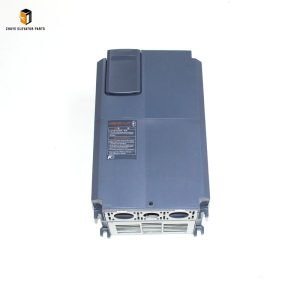
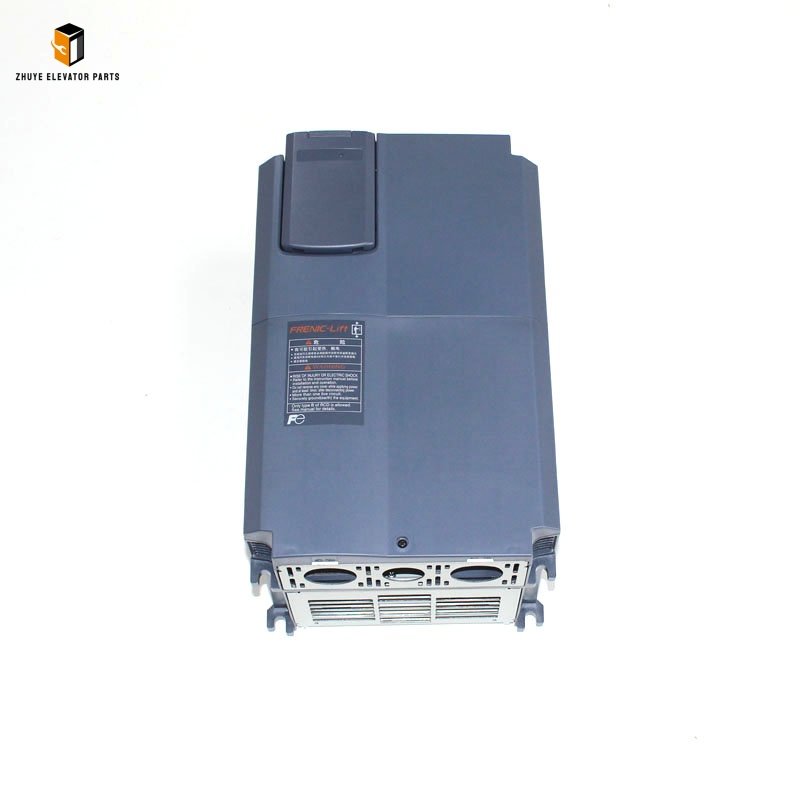
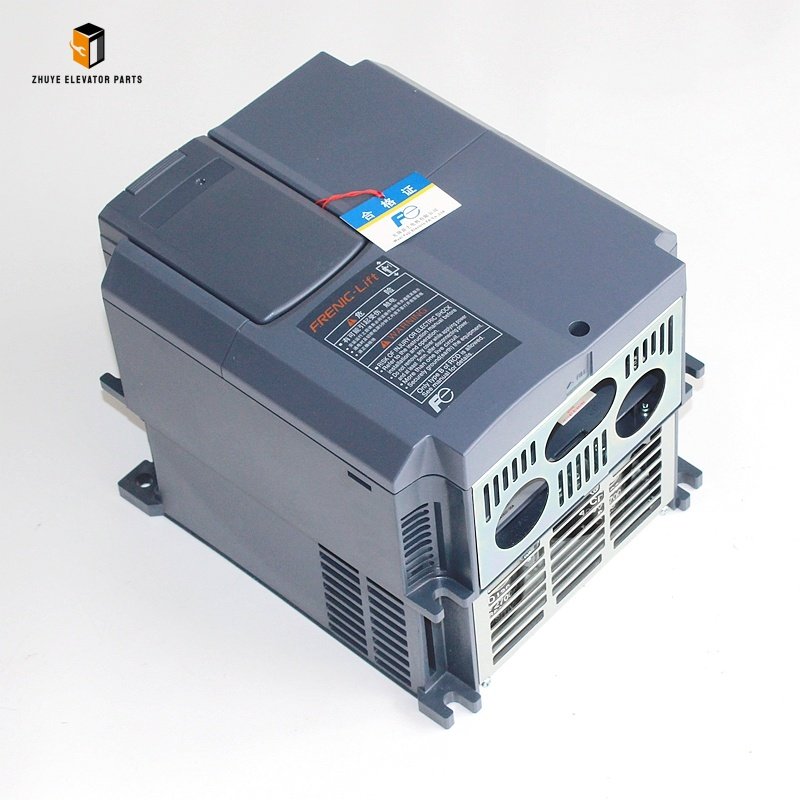
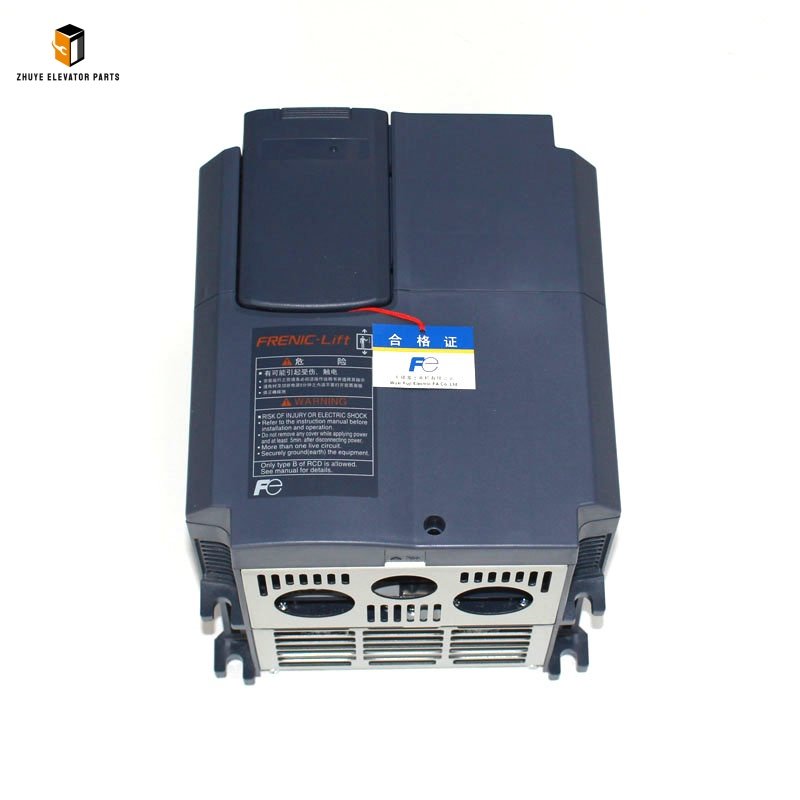
Fuji elevator inverter FRN22LM1S-4C Brief Introduction
|
Product Name |
Fuji elevator inverter |
| Model Number | FRN22LM1S-4C |
|
Quality
|
Original.Brand New
|
|
Payment
|
T/T. Paypal. Western Union
|
|
Delivery
|
3-5 Working Days
|
|
Packaging
|
Packed by carton
|
Fuji Elevator Inverter FRN22LM1S-4C: Usage Guide, Replacement Cycle & Trusted Supply from Nanjing Zhuye
The Fuji Elevator Inverter FRN22LM1S-4C is a high-performance variable frequency drive (VFD) engineered exclusively for Fuji elevator traction systems, delivering a robust 22KW power output—ideal for mid-to-large elevators in commercial high-rises, shopping malls, office complexes, and public transit hubs worldwide. As the core “traction control unit” for Fuji ACE, NEXIEZ, and MONOSPACE series elevators, this inverter converts three-phase AC mains power to variable-frequency AC, precisely regulating the traction motor’s speed, torque, and direction. It integrates Fuji’s proprietary PWM (Pulse-Width Modulation) technology, regenerative energy recovery, and multi-layer protective logic to ensure smooth, jerk-free acceleration/deceleration, minimal energy consumption, and seamless synchronization with the elevator’s main controller—upholding Fuji’s stringent standards for safety, reliability, and operational efficiency.
Compliant with global safety and industrial standards (EN 81, IEC 61800-5-1, ISO 9001), the FRN22LM1S-4C features a rugged, industrial-grade design: high-power IGBT modules for stable power conversion, large-capacity DC link capacitors for voltage stabilization, integrated overcurrent/overvoltage/overtemperature/earth fault protection, and a heat-dissipating enclosure optimized for 22KW loads. This construction withstands 24/7 operation in machine rooms, enduring temperature fluctuations (-10°C to +40°C), electromagnetic interference (EMI), and mechanical vibration. For maintenance teams, facility managers, and elevator service providers, mastering the correct installation, configuration, and replacement timelines of this 22KW inverter is critical to avoiding traction system failures, elevator stalling, or safety hazards. Nanjing Zhuye Elevator Parts, a trusted supplier of authentic Fuji components, delivers the FRN22LM1S-4C inverter that meets Fuji’s original manufacturing specifications—guaranteeing seamless compatibility, efficient power control, and long-term durability.
Proper Usage Methods of Fuji FRN22LM1S-4C Inverter
1. Pre-Installation Preparation
Before installation, prioritize safety by shutting off the elevator’s main power supply, discharging the DC link capacitor (per Fuji’s safety protocols), and securing the drive cabinet with lockout tags. Inspect the new FRN22LM1S-4C inverter for physical damage—such as dented enclosures, damaged power terminals, loose IGBT modules, or burn marks on internal components—defects that can cause short circuits, power loss, or traction motor damage. Nanjing Zhuye Elevator Parts conducts rigorous Fuji-specific quality control checks, so each unit arrives in optimal condition: intact packaging, functional power modules, pre-loaded Fuji-compatible firmware, and clear wiring/terminal markings.
Verify compatibility with your Fuji elevator model and traction system by cross-referencing the technical manual or consulting Nanjing Zhuye’s technical support team. Ensure three key details align: (1) the inverter’s 22KW power rating matches the traction motor’s output requirements, (2) the input voltage range (380–480V AC three-phase) fits the building’s electrical system, and (3) the communication protocol (e.g., Modbus, Fuji proprietary) supports integration with the elevator’s main controller. Using an incompatible inverter can disrupt traction control, leading to erratic elevator movement or complete system shutdown. Additionally, prepare the installation area: clean the drive cabinet, ensure a minimum clearance of 25cm around the inverter for ventilation, and confirm the cooling system (fans, heat sinks) is fully functional.
2. Installation & Configuration Steps
- Inverter Mounting:
- Secure the FRN22LM1S-4C to the drive cabinet’s mounting plate using the provided high-torque screws (torque to 3.0–4.0 Nm) to handle the inverter’s weight and vibration during operation. Align the inverter’s cooling vents with the cabinet’s airflow path to maximize heat dissipation—poor ventilation is a leading cause of overheating in high-power inverters.
- Disconnect the old inverter (if replacing) by labeling and removing input power cables (L1, L2, L3), output power cables (U, V, W to traction motor), and control/communication cables (to main controller, position sensors). Take detailed photos of the wiring configuration to ensure accurate reinstallation.
- Wiring & Connection:
- Use 10mm² copper wire for input/output cables (suitable for 22KW current loads) and connect them to the inverter’s terminal block, ensuring correct phase alignment and secure grounding (PE) to prevent electrical shock. Tighten terminal screws to Fuji’s specified torque (2.5–3.0 Nm) to avoid loose connections and arcing.
- Connect shielded control cables to the inverter’s control terminal block to reduce EMI interference. Double-check wiring against the elevator’s schematic diagram to avoid cross-connections, which can destroy the inverter’s IGBT modules or traction motor.
- Post-Installation Configuration:
- Restore power to the drive cabinet (performed by certified Fuji technicians only) and access the configuration menu via Fuji’s diagnostic software (e.g., FR Configurator, Fuji Ladder Editor). Complete three critical steps:
- Motor Parameter Calibration: Input the traction motor’s rated voltage, current, speed, and torque values to synchronize the inverter’s control logic with the motor’s performance characteristics.
- Traction Control Setup: Configure acceleration/deceleration time (2–4 seconds for mid-to-large elevators), speed reference limits, and regenerative braking parameters to optimize energy efficiency and passenger comfort.
- System Synchronization: Initiate communication with the main controller, verifying that speed commands, position feedback, and fault signals are transmitted accurately without latency.
- Restore power to the drive cabinet (performed by certified Fuji technicians only) and access the configuration menu via Fuji’s diagnostic software (e.g., FR Configurator, Fuji Ladder Editor). Complete three critical steps:
- Functional Testing:
- Conduct comprehensive tests to validate performance:
- No-Load Test: Run the traction motor without the elevator car to confirm smooth speed regulation and no abnormal noise/vibration.
- Load Test: Operate the elevator through empty, half-loaded, and full-loaded cycles to ensure the inverter maintains stable torque and speed under varying loads.
- Protection Function Test: Simulate overcurrent, overvoltage, or overtemperature conditions to verify the inverter triggers automatic shutdown and sends real-time fault alerts to the main controller.
- Document installation details, configuration settings, and test results in maintenance records to demonstrate compliance with Fuji’s service requirements.
- Conduct comprehensive tests to validate performance:
3. Routine Usage Maintenance
To preserve the FRN22LM1S-4C’s performance and extend its lifespan, implement these proactive maintenance practices:
- Weekly Visual Inspections: Check for abnormal noise (buzzing/humming), overheating (hot enclosure), or loose cables. Inspect the inverter’s cooling fans and air filters for dust buildup or blockages.
- Monthly Parameter Monitoring: Use Fuji’s diagnostic software to review operating parameters (output current, voltage, temperature) and record data to identify drift trends.
- Quarterly Connection Checks: Tighten input/output/control terminal screws (loose connections cause voltage fluctuations) and inspect cables for fraying, corrosion, or insulation damage. Replace damaged cables with genuine Fuji parts from Nanjing Zhuye.
- Semi-Annual Cleaning: Remove dust from the inverter’s enclosure, cooling vents, and heat sinks using compressed air—avoid liquid cleaners or high-pressure air that can damage internal components.
- Annual Performance Testing: Conduct a comprehensive test to verify power conversion efficiency, speed regulation accuracy, and protection function responsiveness. Compare results against Fuji’s factory specifications and recalibrate parameters if needed.
Recommended Replacement Cycle
The service life of the Fuji FRN22LM1S-4C Inverter depends on usage intensity (daily operating hours, load frequency), environmental conditions (temperature, humidity), and maintenance quality. Based on Fuji’s engineering standards and Nanjing Zhuye’s technical expertise:
1. Standard Replacement Cycle
Under normal operating conditions (12–18 hours of daily use, regular maintenance, ambient temperature -10°C to +40°C), the inverter should be replaced every 6–8 years. This timeframe accounts for gradual degradation of high-power IGBT modules, DC link capacitors, and internal control components—proactive replacement avoids costly unplanned downtime in high-traffic elevators.
2. Signs That Require Immediate Replacement
Replace the inverter immediately if you encounter any of the following issues:
- Traction System Failures: Elevator stalling, erratic speed fluctuations, jerking during acceleration/deceleration, or inability to start—indicative of faulty power conversion or control logic.
- Persistent Critical Errors: Repeated inverter-related error codes (e.g., “IGBT Fault,” “Motor Overload,” “Communication Timeout”) that cannot be resolved with troubleshooting or parameter adjustment.
- Physical Damage: Dented enclosure, water intrusion, burned terminals, or capacitor bulging/leakage—compromising electrical safety and functionality.
- Performance Degradation: Increased power consumption, reduced motor efficiency, delayed speed response, or frequent protective shutdowns—attributed to aging high-power components.
- Safety Compromise: Failure to trigger emergency stops or protective shutdowns during fault conditions—violating Fuji’s safety standards and posing severe risks to passengers.
3. Maintenance to Extend Service Life
- Environmental Control: Keep the drive cabinet clean, dry, and well-ventilated. Install air conditioners or dehumidifiers if ambient temperature exceeds 40°C or humidity exceeds 85%.
- Power Stabilization: Install surge protectors and voltage regulators in the input circuit to shield the inverter from mains voltage spikes and transients.
- Load Management: Avoid frequent full-load acceleration/deceleration cycles (reduces stress on IGBT modules) and adhere to the elevator’s weight capacity limits.
- Genuine Parts Only: For replacements, rely exclusively on authentic Fuji FRN22LM1S-4C inverters from Nanjing Zhuye. Counterfeit inverters use inferior high-power components, lack safety certifications, and risk catastrophic traction system failure.
Why Choose Nanjing Zhuye Elevator Parts for Fuji FRN22LM1S-4C?
When sourcing the Fuji FRN22LM1S-4C inverter, Nanjing Zhuye offers unmatched advantages for safety-focused professionals:
- Authenticity & Compatibility: All units meet Fuji’s original manufacturing specifications, ensuring seamless integration with ACE, NEXIEZ, and MONOSPACE series elevators.
- Strict Quality Assurance: Each inverter undergoes rigorous testing (high-power conversion precision, thermal resilience, protection function validation) to guarantee reliable operation in critical traction systems.
- Expert Technical Support: Certified engineers provide 24/7 assistance for installation, configuration, firmware updates, and troubleshooting—even for complex high-power traction system setups.
- Global Efficient Delivery: Fast shipping to worldwide locations minimizes machine room downtime, ensuring uninterrupted service in high-traffic elevators.
- Competitive Pricing: Direct sourcing from Fuji’s authorized channels eliminates middlemen, offering cost-effective solutions without compromising quality or safety.
Conclusion
The Fuji Elevator Inverter FRN22LM1S-4C is a foundational high-power component that ensures efficient, reliable operation of mid-to-large Fuji elevator traction systems—directly impacting passenger safety and operational efficiency. By following proper installation, configuration, and maintenance practices—paired with Nanjing Zhuye Elevator Parts’ authentic components—you can ensure Fuji elevators remain compliant, downtime-free, and safe for passengers. Whether you need a single replacement inverter, technical support for system upgrades, or bulk orders for a building fleet, Nanjing Zhuye is committed to delivering premium Fuji components and tailored professional services. Invest in the traction system reliability of your Fuji elevators—choose Nanjing Zhuye Elevator Parts for your FRN22LM1S-4C inverter requirements.