Description
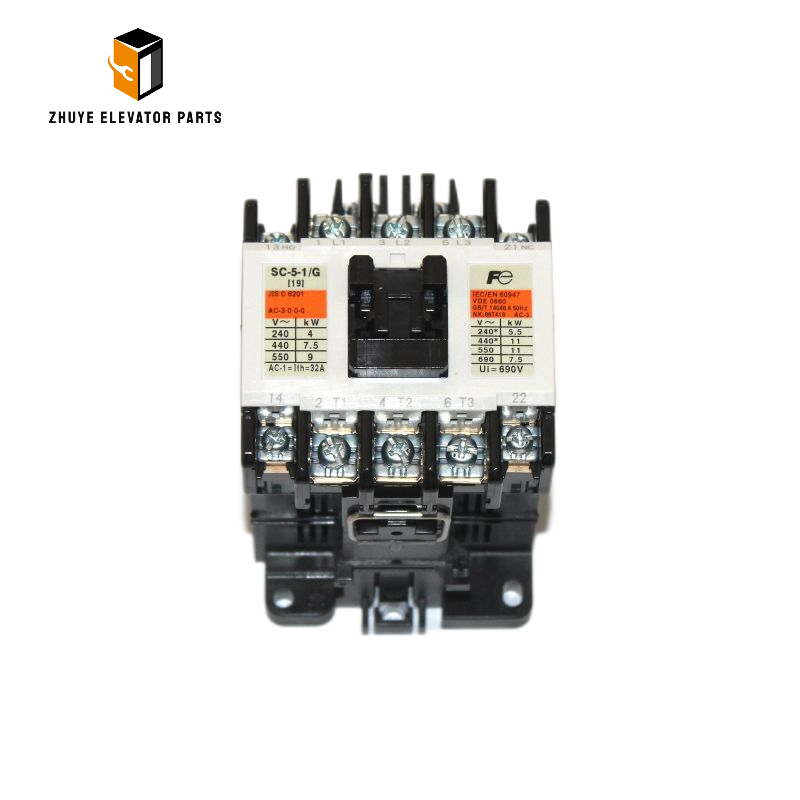
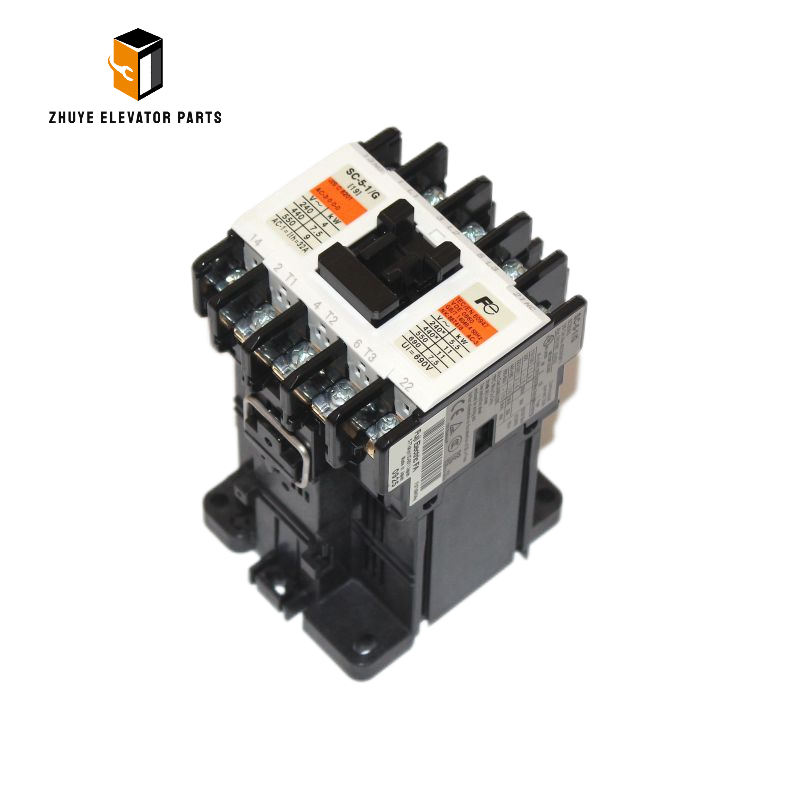
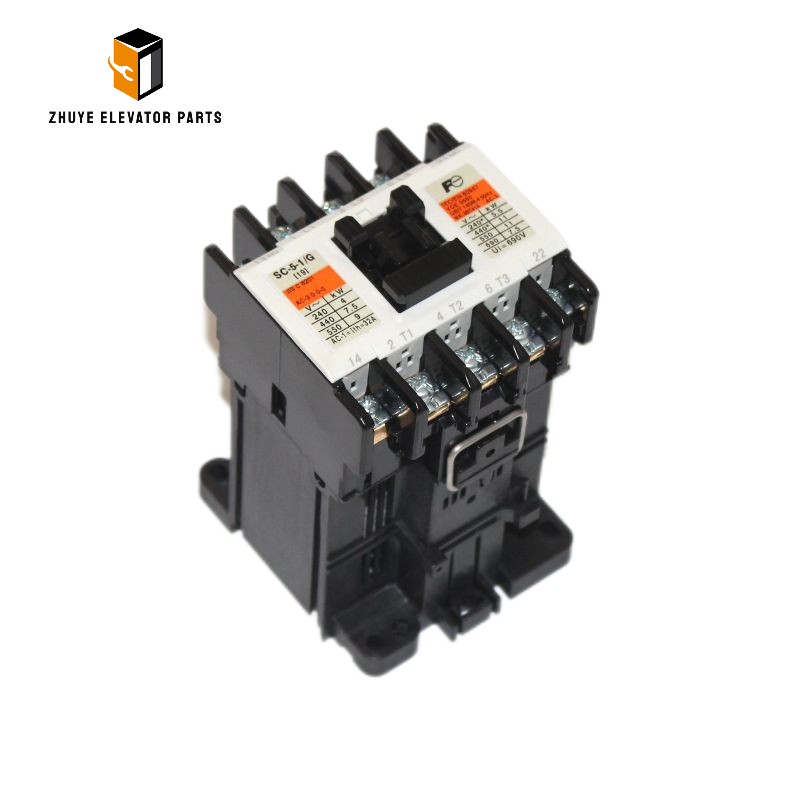
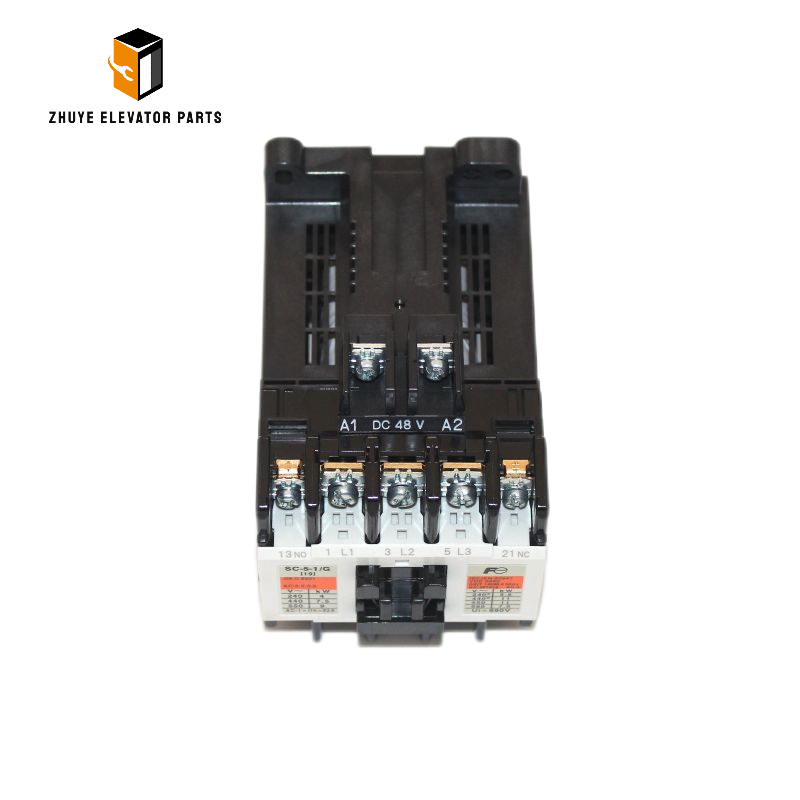
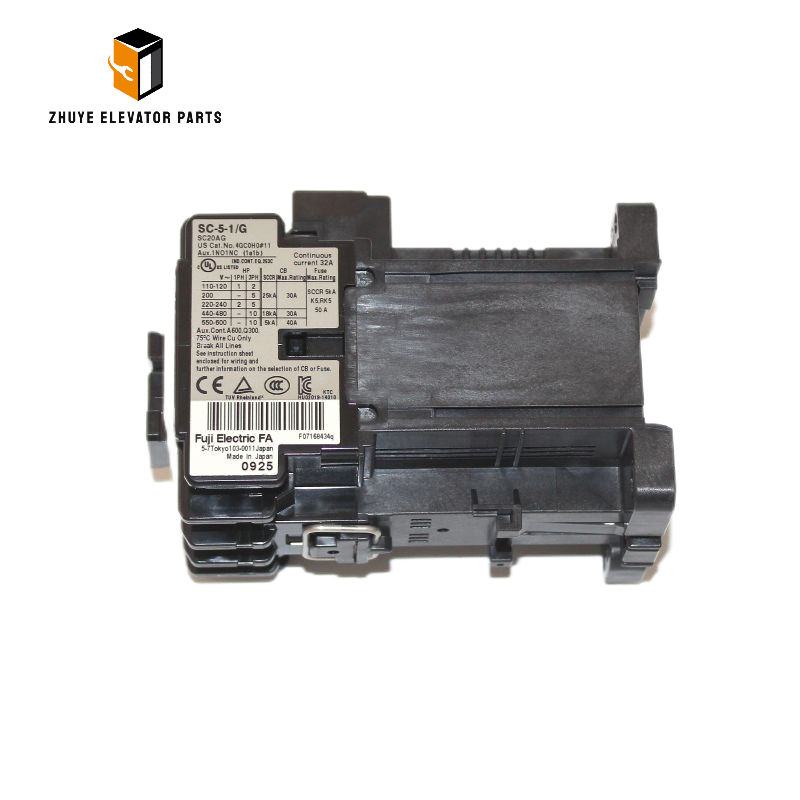
Fuji elevator contactor SC-5-1G DC48V Brief Introduction
|
Product Name |
Fuji elevator contactor |
| Model Number | SC-5-1G DC48V |
|
Quality
|
Original.Brand New
|
|
Payment
|
T/T. Paypal. Western Union
|
|
Delivery
|
3-5 Working Days
|
|
Packaging
|
Packed by carton
|
Fuji Elevator Contactor SC-5-1G DC48V: Usage Guide, Replacement Cycle & Trusted Supply from Nanjing Zhuye
The Fuji Elevator Contactor SC-5-1G DC48V is a precision-engineered electrical switching component exclusively designed for Fuji elevator systems—widely deployed in commercial high-rises, residential complexes, public transit facilities, and office buildings worldwide. As a core power distribution device, this contactor manages medium-current circuits for critical elevator components such as door motors, traction motor auxiliary systems, brake mechanisms, and safety interlocks. Optimized for DC48V operation, it delivers consistent on/off switching with minimal energy loss, ensuring synchronized performance of Fuji elevator systems while upholding the brand’s strict standards for safety, durability, and operational stability.
Compliant with global electrical and safety standards (IEC 60947-4-1, EN 60947, ISO 9001), the SC-5-1G features a robust, arc-resistant design: silver-nickel alloy contact points for low contact resistance and extended service life, sealed coil windings with surge protection (critical for DC systems), integrated arc-suppression chambers to minimize electrical arcing, and thermal overload protection. This construction withstands frequent switching cycles, voltage fluctuations, and harsh elevator environments—including temperature ranges of -10°C to +60°C, humidity up to 85% (non-condensing), and vibration. For maintenance teams, facility managers, and elevator service providers, mastering the correct installation, wiring, and replacement timelines of this contactor is critical to avoiding control system failures, elevator downtime, or safety hazards. Nanjing Zhuye Elevator Parts, a trusted supplier of authentic Fuji components, delivers the SC-5-1G DC48V contactor that meets Fuji’s original manufacturing specifications—guaranteeing consistent switching performance, reliable power distribution, and long-term durability.
Proper Usage Methods of Fuji SC-5-1G DC48V Contactor
1. Pre-Installation Preparation
Before installation, prioritize safety by shutting off the elevator’s main power supply and DC48V control circuit power, discharging residual voltage (essential for DC systems to prevent electric shock), and securing the control cabinet with a lockout tag. Inspect the new SC-5-1G contactor for physical damage—such as cracked housings, bent terminals, worn contact points, or damaged coil windings—defects that can cause electrical short circuits, failed switching, or component overheating. Nanjing Zhuye Elevator Parts conducts rigorous Fuji-specific quality control checks, so each unit arrives in optimal condition: intact contact points, functional coil windings, pre-tested switching performance, and clear terminal markings for error-free wiring.
Verify compatibility with your Fuji elevator model and control system by cross-referencing the technical manual or consulting Nanjing Zhuye’s technical support team. Ensure the contactor’s key specifications—DC48V coil voltage, 50A rated current, contact configuration (1NO/1NC), and mounting dimensions—match the elevator’s requirements. Using an incompatible contactor can damage control circuits, disable critical safety functions, or lead to erratic elevator operation.
2. Installation & Wiring Setup
- Contactor Installation:
- Access the control cabinet (located in the machine room or hoistway) and locate the designated mounting position for the contactor. Disconnect the old contactor (if replacing) by labeling and removing power wires (line and load terminals) and control wires (coil terminals)—take photos of the wiring configuration to ensure accurate reinstallation. Clean the mounting surface with compressed air to remove dust or debris that could hinder heat dissipation.
- Secure the new SC-5-1G contactor to the mounting rail (DIN rail compatible) using the integrated clips or provided screws (torque to 1.2–1.8 Nm) for stable positioning. Ensure proper spacing (minimum 4cm from adjacent components) to allow airflow and prevent overheating, especially in compact control cabinets where heat buildup risks component failure.
- Wiring Configuration:
- Connect power wires (suitable for 50A current, e.g., 6mm² copper wire) to the line (L) and load (T) terminals—ensure wires are properly stripped (8–10mm) and tightened to Fuji’s specified torque (2.0–2.5 Nm) to prevent loose connections and electrical arcing. For the coil terminals (marked A1/A2), connect control wires from the elevator’s DC48V control circuit—critical note: verify polarity for DC coils to avoid damage (incorrect polarity can burn out the coil or cause intermittent switching).
- Double-check wiring against the elevator’s schematic diagram and the contactor’s terminal markings. Ensure no wires are pinched or exposed, and secure all connections with cable ties to prevent vibration-induced damage. Separate power wires and control wires to minimize electromagnetic interference, which is particularly impactful for DC circuits.
- Functional Testing:
- Conduct comprehensive tests (by certified technicians only) after installation:
- Coil Activation Test: Apply DC48V power to the control circuit and verify the contactor engages with a clear “click”—use a multimeter to confirm continuity on NO (Normally Open) contacts and open circuit on NC (Normally Closed) contacts when activated.
- Switching Performance Test: Operate the elevator through key cycles (e.g., door opening/closing, brake activation, safety interlock checks) to ensure the contactor switches reliably without hesitation, sticking, or arcing.
- Overload Test: Simulate maximum load conditions for connected components to confirm thermal protection functions properly and the contactor does not overheat (surface temperature should remain ≤75°C).
- Document installation details, wiring configurations, and test results in maintenance records to demonstrate compliance with Fuji’s service requirements.
- Conduct comprehensive tests (by certified technicians only) after installation:
3. Routine Usage Maintenance
To preserve performance and extend lifespan, implement these proactive maintenance practices:
- Weekly Visual Inspections: Check for loose wires, damaged terminals, or signs of arcing (blackening on contact points or housing). Remove dust from the contactor and surrounding area with compressed air—avoid using water or chemical cleaners that could corrode components or short DC48V circuits.
- Monthly Functional Checks: Use a multimeter to test coil resistance (should match Fuji’s specifications: ~200–250Ω for DC48V coils) and contact continuity. Verify the contactor engages and disengages smoothly without sticking, which can indicate coil degradation or contact wear.
- Quarterly Contact Inspection: Remove the contactor cover (if applicable) and inspect contact points for wear, pitting, or oxidation. Clean lightly with a Fuji-approved dry cloth if needed—replace the contactor if wear exceeds 0.8mm or pitting is severe (pitting can cause arcing and circuit failure).
- Semi-Annual Coil Inspection: Check coil windings for fraying, overheating, or moisture damage. Ensure coil connections are tight and free from corrosion, which can cause voltage drops and premature coil failure in DC systems.
- Annual System Integration Test: Test the contactor’s interaction with other elevator components (e.g., door sensors, safety interlocks, main controller) to ensure synchronized operation and safety compliance—verify that the contactor triggers correctly during normal and emergency scenarios (e.g., emergency stops, door obstruction).
Recommended Replacement Cycle
The service life of the Fuji SC-5-1G DC48V Contactor depends on usage intensity (daily switching cycles), environmental conditions (temperature, humidity, dust), and maintenance quality. Based on Fuji’s engineering standards and Nanjing Zhuye’s technical expertise:
1. Standard Replacement Cycle
Under normal operating conditions (12–18 hours of daily use, regular maintenance, and stable environment), the contactor should be replaced every 5–7 years. This timeframe accounts for gradual contact wear, coil degradation (common in DC systems), and reduced arc-suppression efficiency—ensuring reliable switching performance and safety compliance for critical Fuji elevator circuits. Proactive replacement reduces the risk of unexpected contactor failure and costly elevator downtime.
2. Signs That Require Immediate Replacement
Replace the contactor immediately if you encounter any of the following issues:
- Switching Failures: Contactor fails to engage/disengage, sticks in one position, or switches intermittently—causing malfunctions in connected components (e.g., doors not opening, brake system failures).
- Electrical Arcing: Visible sparks, burning odors, or discoloration during switching—indicates worn contact points or arc-suppression failure, which can lead to circuit damage.
- Physical Damage: Cracked housing, bent terminals, or damaged coil windings—compromising electrical safety and performance in DC48V circuits.
- Performance Degradation: Increased contact resistance (measured via multimeter), coil overheating (excessive warmth to the touch), or frequent tripping of protective devices.
- Safety Compromise: Contactor fails to activate/deactivate safety interlocks or brake systems during emergency stops—violating Fuji’s safety standards and posing severe risks to passengers.
3. Maintenance to Extend Service Life
To maximize the contactor’s lifespan and minimize replacement costs:
- Environmental Control: Keep the control cabinet clean, dry, and well-ventilated. Install cabinet heaters or dehumidifiers if humidity exceeds 85% to prevent coil corrosion (a common issue in DC systems).
- Power Stabilization: Install surge protectors and voltage regulators in the DC48V control circuit to shield the contactor from voltage spikes and transients, which can damage coil windings.
- Minimize Unnecessary Switching: Avoid frequent elevator testing or idle operation that increases contactor wear—optimize elevator usage schedules where possible.
- Use Genuine Parts Only: For replacements, rely exclusively on authentic Fuji SC-5-1G DC48V contactors from Nanjing Zhuye. Counterfeit contactors use inferior materials, inadequate arc suppression, or incorrect voltage ratings—compromising performance, safety, and Fuji’s warranty coverage.
Why Choose Nanjing Zhuye Elevator Parts?
When sourcing the Fuji Elevator Contactor SC-5-1G DC48V, Nanjing Zhuye Elevator Parts offers unmatched advantages for safety-focused professionals:
- Authenticity & Fuji Compatibility: All contactors meet Fuji’s original manufacturing specifications, ensuring seamless integration with Fuji elevator systems (including Fuji ACE, NEXIEZ, and MONOSPACE series) and compliance with global safety standards.
- Strict Quality Assurance: Each unit undergoes rigorous testing—including switching performance, contact resistance, coil functionality, and arc-suppression efficiency—to guarantee reliable operation in critical DC48V control circuits.
- Expert Technical Support: Nanjing Zhuye’s certified engineers specialize in Fuji elevator systems, providing 24/7 assistance for installation, wiring configuration (including DC polarity checks), compatibility verification, and troubleshooting (e.g., contactor sticking, arcing issues).
- Global Efficient Delivery: With a robust supply chain and logistics network, Nanjing Zhuye delivers electrical control components promptly worldwide, minimizing elevator downtime during replacement—critical for high-traffic buildings.
- Competitive Pricing: By eliminating middlemen, Nanjing Zhuye offers cost-effective solutions without compromising quality—helping you balance maintenance budgets with the need for durable, compliant Fuji elevator components.
Conclusion
The Fuji Elevator Contactor SC-5-1G DC48V is a foundational control component that ensures reliable power distribution and safe operation of critical systems in Fuji elevators. By following proper installation, wiring (especially DC polarity checks), and maintenance practices—paired with Nanjing Zhuye’s authentic components—you can ensure elevators remain compliant, downtime-free, and safe for passengers. Whether you need a single replacement contactor, technical support for DC circuit setup, or bulk orders for a building fleet, Nanjing Zhuye is committed to delivering premium Fuji components and tailored professional services. Invest in the control system reliability of your Fuji elevators—choose Nanjing Zhuye Elevator Parts for your SC-5-1G DC48V contactor requirements.