

Description
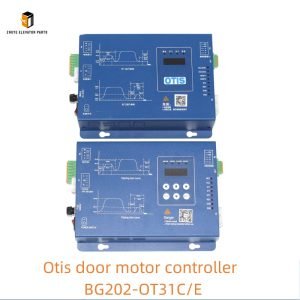
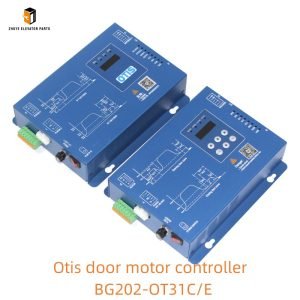
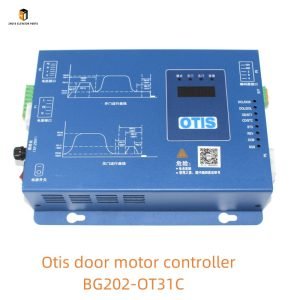
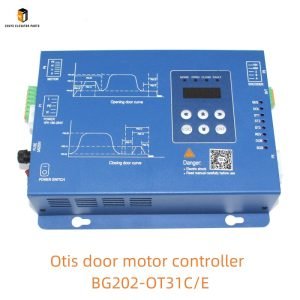
Otis door motor controller BG202-OT31C Brief Introduction
|
Product Name |
Otis door motor controller |
| Model Number | BG202-OT31C
BG202-OT31E |
|
Quality
|
Original.Brand New
|
|
Payment
|
T/T. Paypal. Western Union
|
|
Delivery
|
3-5 Working Days
|
|
Packaging
|
Packed by carton
|
Proper Usage Methods of Otis Door Motor Controller BG202-OT31C
1. Pre-Installation Preparation
Before installing the BG202-OT31C, prioritize safety by shutting off the elevator’s main power supply and securing the door operator assembly with a lockout tag. Inspect the controller for physical damage—such as cracked housing, loose connectors, damaged terminal blocks, or burn marks on components—defects that can cause door control failures or safety interlock malfunctions. Nanjing Zhuye Elevator Parts conducts rigorous quality control checks, so each unit arrives in optimal condition: intact microprocessors, pre-loaded Otis-compatible firmware, functional diagnostic modules, and pre-tested electrical continuity. Additionally, verify compatibility with your Otis elevator model by cross-referencing the technical manual or consulting Nanjing Zhuye’s technical support team—ensure the controller’s voltage rating (typically 24V DC), communication protocol (Otis proprietary CAN bus), and motor interface match your door motor’s requirements.
2. Installation & Configuration Steps
- Controller Installation:
- Access the door operator control box (located in the elevator cab or hoistway). Disconnect the old controller (if replacing) by releasing the locking latches and disconnecting power, motor, sensor, and communication cables—label all cables clearly to ensure correct reconnection. Clean the mounting area to remove dust or debris that could interfere with electrical contact.
- Align the BG202-OT31C with the control box’s guide rails and mounting points. Secure the controller with provided screws (torque to 0.5–0.8 Nm) to prevent vibration-induced loosening. Reconnect the cables to the corresponding terminals: power wires (positive/negative) to the control voltage inputs, motor wires (U/V/W for BLDC motors) to the drive output terminals, sensor wires (obstacle detection, door limit) to the I/O ports, and communication cables to the elevator main controller.
- Configuration Setup:
- Power on the system and confirm the BG202-OT31C initializes correctly (status LED illuminates green, and the diagnostic screen displays “System Ready”). Access the configuration menu via Otis-approved diagnostic software (by certified technicians):
- Parameter Restoration: If replacing an existing controller, restore door-specific parameters (e.g., opening/closing speed, acceleration/deceleration time, obstacle detection sensitivity) from a backup (saved from the old controller) to maintain operational consistency. Alternatively, load default parameters for your Otis model (provided by Nanjing Zhuye or Otis).
- Safety Interlock Calibration: Verify and calibrate signals from door lock sensors, obstacle detection beams, and door limit switches—ensure the controller recognizes valid safety states and triggers protective actions (e.g., door reversal, shutdown) when needed.
- Communication Sync: Configure communication with the elevator main controller to enable real-time door status updates (open/closed, fault codes) and response to remote commands (e.g., door open/close requests).
- Power on the system and confirm the BG202-OT31C initializes correctly (status LED illuminates green, and the diagnostic screen displays “System Ready”). Access the configuration menu via Otis-approved diagnostic software (by certified technicians):
- Functional Testing:
- Conduct comprehensive tests (by certified technicians only):
- Basic Door Operation: Operate the elevator through automatic/manual door cycles to confirm smooth opening/closing, precise alignment with landing thresholds, and no jitter or hesitation. Verify door speed (typically 0.3–0.5 m/s) matches Otis’s specifications.
- Safety Test: Trigger obstacle detection (e.g., place a test object in the door path) and door lock failures to confirm the controller immediately reverses or halts the door, preventing entrapment or pinching.
- Diagnostic Tool Test: Use the controller’s built-in diagnostic functions to scan for subsystem errors (e.g., motor overload, sensor disconnection) and confirm fault codes are logged accurately for troubleshooting.
- Load Test: Run the door through 50 consecutive cycles to simulate peak usage and monitor the controller’s thermal performance—ensure no overheating or performance degradation occurs.
- Document test results in maintenance records to demonstrate compliance with safety and performance standards.
- Conduct comprehensive tests (by certified technicians only):
3. Routine Usage Maintenance
To preserve the BG202-OT31C’s performance and extend its lifespan, implement these proactive maintenance practices:
- Weekly Visual Inspections: Check for loose cables, dust accumulation on the controller, or damaged terminal blocks. Remove dust with compressed air—avoid water or cleaning agents that can damage components or corrode terminals.
- Monthly Diagnostic Scans: Use Otis diagnostic software to run full system checks, review fault logs, and verify parameter stability. Address minor issues (e.g., intermittent sensor signals) promptly to prevent major failures.
- Quarterly Cable Inspections: Inspect power, motor, and sensor cables for fraying, corrosion, or loose connections. Tighten terminals as needed or replace damaged cables with genuine Otis parts from Nanjing Zhuye.
- Semi-Annual Firmware Updates: Update the controller’s firmware (as recommended by Otis or Nanjing Zhuye) to enhance door control features, fix software bugs, and improve compatibility with system upgrades.
- Annual Thermal & Load Checks: Verify the controller’s thermal performance during extended operation and ensure the door operator’s cooling system (if applicable) is functioning correctly. Overheating is a leading cause of control unit failure.
Recommended Replacement Cycle
The service life of the Otis Door Motor Controller BG202-OT31C depends on usage intensity (daily door cycles), environmental conditions (humidity, dust, voltage stability), and maintenance quality. Based on industry standards and Nanjing Zhuye’s technical expertise:
1. Standard Replacement Cycle
Under normal operating conditions (12–18 hours of daily use, regular maintenance, stable environment), the BG202-OT31C should be replaced every 6–8 years. This timeframe accounts for gradual microprocessor degradation, capacitor aging, connector wear, and firmware obsolescence—ensuring the controller maintains responsive door control, safety compliance, and compatibility with elevator system upgrades. Proactive replacement reduces the risk of unexpected door failures, which can lead to passenger entrapment or costly downtime.
2. Signs That Require Immediate Replacement
Replace the door motor controller immediately if you encounter any of the following issues:
- Door Control Failures: Doors fail to open/close fully, move intermittently, or respond unpredictably to commands—despite parameter resets and cable checks.
- Safety Interlock Malfunctions: The controller fails to detect obstacles, door lock status, or emergency stops—allowing unsafe door operation (e.g., closing on objects, operating with unlocked latches).
- Persistent Fault Codes: Unresolvable errors (e.g., “Motor Communication Error,” “Sensor Mismatch”) that appear after firmware updates and troubleshooting.
- Physical Damage: Cracked housing, burned components, water intrusion, or irreparable terminal block damage—posing electrical or safety risks.
- Performance Degradation: Significant increases in door operation noise, slower speed, inconsistent alignment, or reduced energy efficiency—indicative of internal component failure.
3. Maintenance to Extend Service Life
To maximize the BG202-OT31C’s lifespan and minimize replacement costs:
- Stabilize Power Supply: Install surge protectors and voltage regulators to shield the controller from voltage spikes or sags—common causes of microprocessor and capacitor damage.
- Control Environmental Conditions: Maintain the door operator area at a stable temperature (10–35°C) and humidity (30–60%). Avoid exposure to dust, water, or extreme temperatures.
- Maintain Mechanical Components: Regularly lubricate and align the door’s gears, belts, and rails to reduce load on the controller’s motor drive circuits. Faulty mechanical parts increase stress on the control unit.
- Use Genuine Parts Only: For repairs or replacements, rely exclusively on authentic Otis components from Nanjing Zhuye. Counterfeit controllers lack Otis’s quality control, firmware compatibility, and safety features—compromising door performance and passenger safety.
Why Choose Nanjing Zhuye Elevator Parts?
When sourcing the Otis Door Motor Controller BG202-OT31C, Nanjing Zhuye Elevator Parts offers unmatched advantages for safety-focused professionals:
- Authenticity & Compatibility: All BG202-OT31C controllers are manufactured to Otis’s original specifications, ensuring seamless integration with Otis door systems and compliance with global safety standards.
- Strict Quality Assurance: Each unit undergoes rigorous testing—including microprocessor performance, motor control precision, sensor signal processing, and thermal resistance—to guarantee reliable operation in critical door control scenarios.
- Expert Technical Support: Nanjing Zhuye’s certified engineers provide 24/7 assistance, from installation and parameter configuration to troubleshooting controller-specific issues (e.g., fault codes, communication errors) in Otis elevators.
- Global Efficient Delivery: With a robust supply chain and logistics network, Nanjing Zhuye delivers control units promptly worldwide, minimizing elevator downtime during replacement—critical for high-traffic buildings.
- Competitive Pricing: By eliminating middlemen, Nanjing Zhuye offers cost-effective solutions without compromising quality—helping you balance maintenance budgets with the need for durable, compliant elevator components.
Conclusion
The Otis Door Motor Controller BG202-OT31C is a foundational component that directly impacts elevator door reliability, passenger experience, and safety. By following proper installation, configuration, and maintenance practices, adhering to recommended replacement cycles, and partnering with a trusted supplier like Nanjing Zhuye Elevator Parts, you can ensure your Otis elevators remain compliant, downtime-free, and efficient. Whether you need a single replacement controller or bulk orders for a building fleet, Nanjing Zhuye is committed to delivering premium Otis components and tailored professional services. Invest in door system excellence—choose Nanjing Zhuye Elevator Parts for your Otis BG202-OT31C door motor controller requirements.