


Description
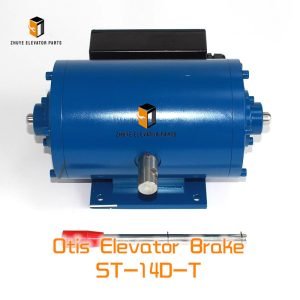
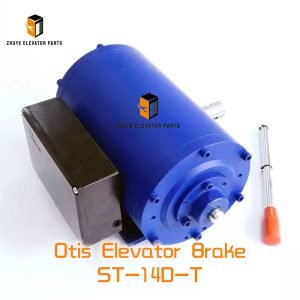
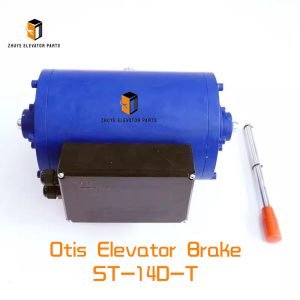
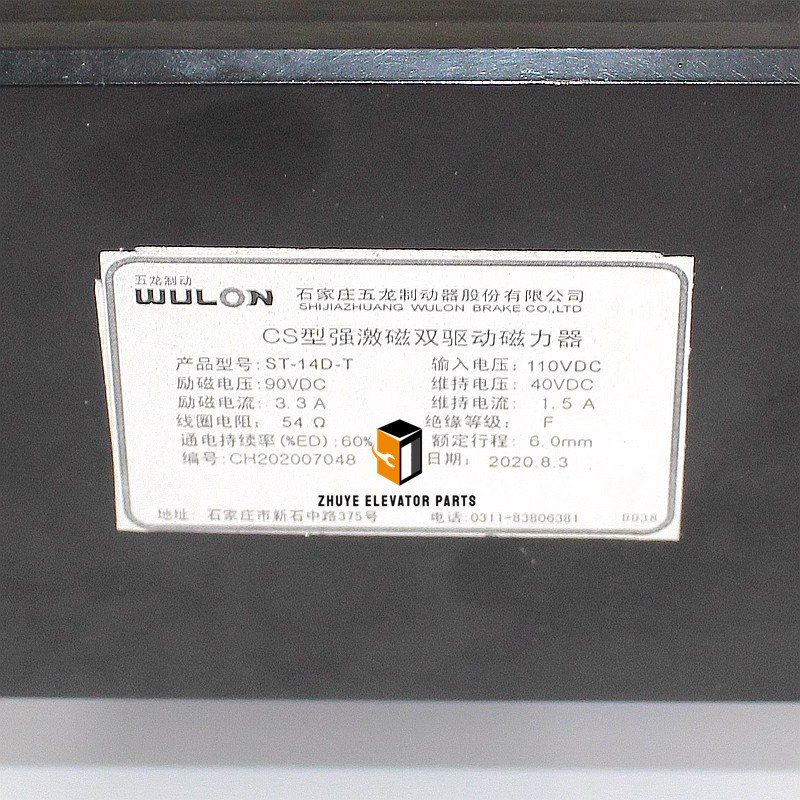
Otis Elevator Brake ST-14D-T Brief Introduction
|
Product Name |
Otis Elevator Brake |
| Model Number | ST-14D-T |
|
Quality
|
Original.Brand New
|
|
Payment
|
T/T. Paypal. Western Union
|
|
Delivery
|
3-5 Working Days
|
|
Packaging
|
Packed by carton
|
Otis Elevator Brake ST-14D-T: Usage Guide, Replacement Cycle & Trusted Supply from Nanjing Zhuye
The Otis Elevator Brake ST-14D-T is a safety-critical mechanical component designed for compatibility with a range of Otis elevator models, widely used in commercial buildings, residential complexes, and public transit facilities. As a core braking mechanism, it ensures reliable stopping and holding of the elevator car by engaging with the traction sheave, preventing unintended movement during normal operation, maintenance, or power outages. Compliant with global safety and mechanical standards (EN 81, ASME A17.1, ISO 9001), it features a robust, spring-actuated design: high-strength steel brake calipers, heat-resistant friction pads, and an electrically released mechanism to withstand repeated engagement cycles and extreme mechanical stress. For elevator maintenance teams, property managers, and facility operators, mastering the correct installation, inspection, and replacement timelines of the ST-14D-T is non-negotiable to uphold safety compliance, protect passengers, and minimize system downtime. Nanjing Zhuye Elevator Parts, a trusted supplier of authentic Otis components, delivers the ST-14D-T that meets Otis’s original manufacturing specifications, guaranteeing seamless compatibility, reliable braking performance, and long-term durability.
Proper Usage Methods of Otis Elevator Brake ST-14D-T
1. Pre-Installation Preparation
Before installing the ST-14D-T, prioritize safety by shutting off the elevator’s main power supply, locking the machine room access doors, and securing the control panel with a lockout tag. Inspect the brake for physical damage—such as worn friction pads (below minimum thickness), bent caliper arms, rusted springs, or damaged electrical connectors—defects that can compromise braking force or delay engagement. Nanjing Zhuye Elevator Parts conducts rigorous quality control checks, so each ST-14D-T unit arrives in optimal condition, with intact friction pads, properly tensioned springs, and pre-tested release functionality. Additionally, verify compatibility with your Otis elevator model by cross-referencing the technical manual or consulting Nanjing Zhuye’s technical support team—ensure the brake’s load capacity rating, traction sheave diameter compatibility (typically 80–120mm), and mounting dimensions match your system’s requirements.
2. Installation & Adjustment Steps
- Removal of Old Brake:
- Access the elevator machine room and locate the brake assembly mounted on the traction sheave. Disconnect the electrical connectors for the brake release coil (mark wires to ensure correct reconnection later).
- Use a torque wrench to remove the mounting bolts securing the old brake to the machine base—support the brake assembly with a safety strap to prevent sudden movement or damage to surrounding components. Remove the old brake and clean the mounting surface, traction sheave, and surrounding area with a wire brush and degreaser to eliminate dust, debris, rust, or old lubricant.
- Installation of New Brake:
- Align the ST-14D-T with the machine base’s mounting holes, ensuring the brake pads are positioned parallel to the traction sheave with a uniform clearance (typically 0.2–0.5mm). Secure the brake with the provided high-strength bolts, torquing them to Otis’s recommended value (16–20 Nm) to prevent vibration-induced loosening.
- Reconnect the electrical wires to the brake release coil, matching the marked connections to avoid polarity errors. Route the wiring away from moving parts (e.g., sheave, motor shafts) and secure with cable clips to prevent mechanical damage.
- Functional Adjustment & Testing:
- Adjust the brake clearance using the built-in adjustment screws: Turn clockwise to reduce clearance or counterclockwise to increase, ensuring the brake pads make full, even contact with the sheave when engaged.
- Conduct mandatory safety tests (by certified technicians only):
- Static Holding Test: De-energize the brake release coil and apply a test load (125% of the elevator’s rated capacity) to confirm the brake holds the car securely without slippage.
- Dynamic Engagement Test: Operate the elevator at low speed and trigger a stop—verify the brake engages smoothly, bringing the car to a halt within the required distance (≤1.0m for rated speeds ≤2.5m/s).
- Release Verification: Energize the release coil to confirm the brake disengages fully, allowing the traction sheave to rotate freely without drag or friction.
- Document test results in the elevator’s maintenance records to demonstrate compliance with safety standards.
3. Routine Usage Maintenance
To preserve the ST-14D-T’s life-saving performance, implement these strict routine practices:
- Conduct monthly visual inspections: Check for loose mounting bolts, wear on friction pads, rust on caliper arms or springs, and damage to electrical wiring. Remove dust or debris from the brake assembly and traction sheave.
- Inspect friction pad thickness quarterly: Measure the pad depth—replace the brake if wear exceeds 30% of the original thickness (per Otis’s specification) to maintain sufficient braking force.
- Test brake engagement/disengagement semi-annually: Verify the brake responds promptly to electrical signals and holds the car securely during static tests. Check the release coil’s resistance with a multimeter to ensure it operates within the specified range (typically 20–30 ohms).
- Lubricate moving parts (pivot points, adjustment screws) annually with Otis-approved lubricant to minimize friction and prevent corrosion—avoid lubricating the friction pads or traction sheave, as this reduces braking efficiency.
Recommended Replacement Cycle
The service life of the Otis Elevator Brake ST-14D-T depends on operating conditions (braking frequency, machine room temperature, humidity), usage intensity, and maintenance quality. Based on industry standards and Nanjing Zhuye’s technical expertise, the following replacement guidelines are recommended:
1. Standard Replacement Cycle
Under normal operating conditions (12–18 hours of daily use, regular maintenance, dry machine room environment), the ST-14D-T should be replaced every 7–9 years. This timeframe accounts for gradual wear of friction pads, spring fatigue, and minor corrosion—ensuring the brake maintains reliable holding and stopping performance. Proactive replacement is critical, as a degraded brake may fail to engage during emergencies, leading to catastrophic consequences.
2. Signs That Require Immediate Replacement
Replace the brake immediately if you encounter any of the following issues:
- Friction pad wear exceeding 30% of original thickness, or visible damage (cracks, glazing, or separation from the backing plate).
- Brake failure: Inability to hold the car during static tests, or delayed/insufficient braking force during dynamic tests.
- Physical damage: Bent caliper arms, broken springs, seized adjustment screws, or corrosion that impairs mechanical movement.
- Electrical issues: Faulty release coil (no response to power, abnormal resistance readings) that cannot be repaired.
- Abnormal noise: Grinding, squealing, or rattling during brake engagement—indicating misalignment, worn pads, or component damage.
3. Maintenance to Extend Service Life
To maximize the ST-14D-T’s lifespan:
- Maintain the machine room at a stable temperature (10–35°C) and low humidity (≤60%) to prevent corrosion of metal components and degradation of friction pads.
- Keep the machine room clean and free from dust, oil, or chemical contaminants that can accelerate wear on friction pads and moving parts.
- Avoid overloading the elevator beyond its rated capacity, as excess load increases stress on the brake during engagement.
- Use only genuine replacement parts and accessories from Nanjing Zhuye for repairs, as counterfeit brakes may have inferior materials, incorrect dimensions, or compromised performance.
Why Choose Nanjing Zhuye Elevator Parts?
When sourcing the Otis Elevator Brake ST-14D-T, Nanjing Zhuye Elevator Parts offers unmatched advantages for safety-focused professionals:
- Authenticity & Compatibility: All ST-14D-T brakes are manufactured to Otis’s original specifications, ensuring seamless integration with compatible Otis elevator models and adherence to global safety standards.
- Strict Quality Assurance: Each unit undergoes rigorous testing—including braking force verification, friction pad wear resistance, spring fatigue testing, and electrical performance checks—to guarantee reliable performance in emergency scenarios.
- Expert Technical Support: Nanjing Zhuye’s certified engineers provide 24/7 assistance, from installation alignment and clearance adjustment to troubleshooting brake system issues.
- Global Efficient Delivery: With a robust supply chain and logistics network, Nanjing Zhuye delivers safety-critical components promptly worldwide, minimizing elevator downtime during replacement while ensuring compliance.
- Competitive Pricing: By eliminating middlemen, Nanjing Zhuye offers cost-effective solutions without compromising quality, helping you maintain safety standards while controlling maintenance costs for Otis elevators.
Conclusion
The Otis Elevator Brake ST-14D-T is a non-negotiable safety component that protects passengers from unintended elevator movement in compatible Otis systems. By following proper installation, adjustment, and maintenance methods, adhering to recommended replacement cycles, and partnering with a trusted supplier like Nanjing Zhuye Elevator Parts, you can ensure your Otis elevators remain compliant, reliable, and safe. Whether you need a replacement brake, technical support for installation, or bulk orders for a building fleet, Nanjing Zhuye is committed to delivering premium safety components and tailored professional services. Invest in passenger safety—choose Nanjing Zhuye Elevator Parts for your Otis ST-14D-T brake requirements.