

Description
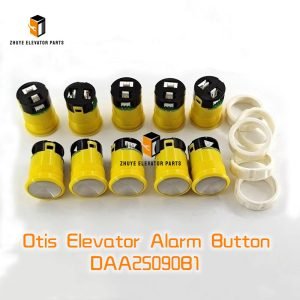
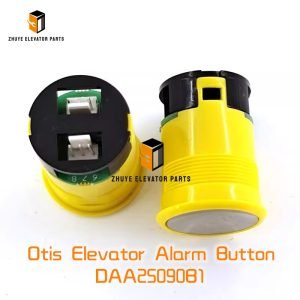
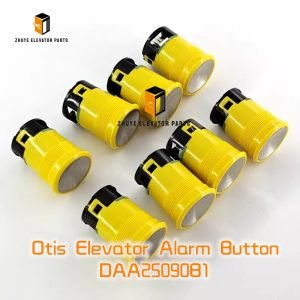
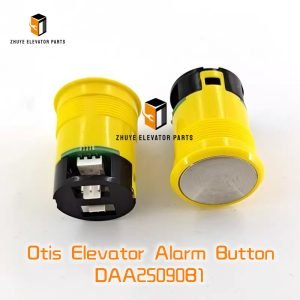
Otis Elevator Alarm Buttons DAA25090B1 Brief Introduction
|
Product Name |
Otis Elevator Alarm Buttons |
| Model Number | DAA25090B1
FAA25090J314 FAA25090A314 FAA25090J114 |
|
Quality
|
Original.Brand New
|
|
Payment
|
T/T. Paypal. Western Union
|
|
Delivery
|
3-5 Working Days
|
|
Packaging
|
Packed by carton
|
Otis Elevator Alarm Buttons DAA25090B1: Usage Guide, Replacement Cycle & Trusted Supply from Nanjing Zhuye
The Otis Elevator Alarm Buttons DAA25090B1 is a life-critical safety component designed to enable immediate passenger communication during emergencies—such as entrapment, equipment malfunctions, or medical incidents. As a mandatory feature in compliance with global safety standards (e.g., EN 81, ASME A17.1), this alarm button provides a direct line of communication between elevator cabs and monitoring stations, ensuring rapid response and peace of mind for passengers. For property managers, elevator maintenance teams, and facility operators, understanding the correct usage, installation, and replacement timelines of the DAA25090B1 is essential to uphold safety compliance and emergency preparedness. Nanjing Zhuye Elevator Parts, a trusted supplier of authentic elevator safety components, delivers the DAA25090B1 alarm button that meets Otis’s original manufacturing specifications, guaranteeing seamless compatibility, durability, and reliable performance in critical scenarios.
Proper Usage Methods of Otis Elevator Alarm Buttons DAA25090B1
1. Pre-Installation Preparation
Before installing the DAA25090B1 alarm button, prioritize safety by shutting off the elevator’s power supply and securing the control panel with a lockout tag. Inspect the button for any physical damage—such as cracked casings, stuck plungers, or damaged wiring harnesses—defects that can render the device inoperable during emergencies. Nanjing Zhuye Elevator Parts conducts rigorous quality control checks, so each DAA25090B1 unit arrives in flawless condition, with intact wiring and responsive components. Additionally, verify compatibility with your Otis elevator model by cross-referencing the elevator’s technical manual or consulting Nanjing Zhuye’s technical support team—ensure the button’s voltage rating (typically 24V DC) and connection type match your elevator’s intercom system.
2. Installation & Operation Steps
- Mounting the Button:
- Locate the designated installation position in the elevator cab—typically on the control panel or a visible, easily accessible wall (between 1.2–1.5 meters above the floor for universal access).
- Drill pilot holes aligned with the button’s mounting brackets, then secure the device using the provided screws (torque to 0.8–1.2 Nm) to ensure stability. Avoid over-tightening, as this can damage the button’s internal mechanisms.
- Wiring Connection:
- Follow the wiring diagram provided by Otis or Nanjing Zhuye to connect the button to the elevator’s intercom and power system. Key steps include:
- Connect the power wires (positive/negative) to the corresponding terminals on the button—ensure correct polarity to avoid short circuits.
- Attach the signal wires to the intercom system’s alarm input terminals; these wires trigger the emergency call when the button is pressed.
- Secure all connections with wire nuts or terminal blocks, and route wiring away from moving parts to prevent damage.
- Follow the wiring diagram provided by Otis or Nanjing Zhuye to connect the button to the elevator’s intercom and power system. Key steps include:
- Functional Testing:
- Restore power to the elevator and conduct a comprehensive test:
- Press the alarm button firmly—verify that it emits a distinct audible signal (e.g., beep) and activates the intercom connection to the monitoring station.
- Confirm the button resets automatically or manually (per model design) after the emergency is resolved.
- Test the button’s durability by pressing it 10–15 times consecutively—ensure consistent response without sticking or failure.
- Document the test results and log them in the elevator’s maintenance records to demonstrate compliance with safety regulations.
- Restore power to the elevator and conduct a comprehensive test:
3. Routine Usage & Passenger Guidance
- Passenger Operation: The DAA25090B1 is designed for intuitive use: in an emergency, passengers simply press and hold the button until connected to a monitoring agent. Post clear instructions near the button (e.g., “Press and hold for emergency assistance”) to minimize confusion.
- Routine Checks: Conduct weekly visual inspections to ensure the button is clean, unobstructed, and labeled clearly. Test the button monthly by initiating a test call to the monitoring station—notify the station in advance to avoid false alarms.
Recommended Replacement Cycle
The service life of the Otis Elevator Alarm Buttons DAA25090B1 depends on usage frequency, environmental conditions (e.g., humidity, physical wear), and maintenance quality. Based on industry standards and Nanjing Zhuye’s technical expertise, the following replacement guidelines are recommended:
1. Standard Replacement Cycle
Under normal operating conditions (daily use, moderate passenger traffic), the DAA25090B1 should be replaced every 4–6 years. This timeframe accounts for the gradual wear of mechanical components (plungers, springs) and electrical contacts, ensuring the button remains reliable during emergencies. Proactive replacement is critical—delaying replacement increases the risk of button failure when it is most needed.
2. Signs That Require Immediate Replacement
Replace the button immediately if you encounter any of the following issues:
- The button sticks when pressed or fails to reset, preventing it from being used again in subsequent emergencies.
- No audible signal or intercom connection is triggered when the button is pressed—even after troubleshooting wiring and power supply.
- Physical damage, such as a cracked casing, exposed wiring, or a broken plunger.
- Frequent false alarms caused by internal electrical faults (e.g., shorted contacts).
- The button’s response time exceeds 2 seconds—delays in emergency communication can compromise passenger safety.
3. Maintenance to Extend Service Life
To maximize the DAA25090B1’s lifespan, implement these maintenance practices:
- Clean the button monthly with a dry, lint-free cloth to remove dust, dirt, and fingerprints—avoid using liquids or abrasive cleaners, which can damage the casing.
- Inspect wiring connections quarterly for looseness or corrosion; tighten or replace wires as needed.
- Keep the elevator cab’s humidity levels between 30–60% to prevent corrosion of internal components.
- Train maintenance staff to handle the button gently during inspections—avoid excessive force when testing.
Why Choose Nanjing Zhuye Elevator Parts?
When sourcing the Otis Elevator Alarm Buttons DAA25090B1, Nanjing Zhuye Elevator Parts offers unmatched advantages for safety-focused professionals:
- Authenticity & Compliance: All DAA25090B1 buttons are manufactured to Otis’s original specifications, ensuring full compatibility with your elevator system and adherence to global safety standards (EN 81, ASME A17.1, ISO 9001).
- Reliable Performance: Each unit undergoes strict durability and functionality testing—including 10,000+ press cycles and environmental stress tests—to guarantee operation in extreme conditions.
- Expert Technical Support: Nanjing Zhuye’s certified engineers provide 24/7 assistance, from installation guidance to troubleshooting, ensuring the button is installed correctly and functions optimally.
- Timely Delivery: With a global supply chain, Nanjing Zhuye delivers orders promptly, minimizing downtime during replacement and ensuring your elevator remains compliant with safety regulations.
- Competitive Pricing: By eliminating middlemen, Nanjing Zhuye offers cost-effective solutions without compromising quality, helping you maintain safety standards while controlling maintenance costs.
Conclusion
The Otis Elevator Alarm Buttons DAA25090B1 is more than a component—it is a critical lifeline for elevator passengers, ensuring rapid assistance during emergencies. By following proper installation and usage methods, adhering to recommended replacement cycles, and partnering with a trusted supplier like Nanjing Zhuye Elevator Parts, you can uphold the highest safety standards and provide peace of mind for passengers. Whether you need a replacement button, technical support, or compliance guidance, Nanjing Zhuye is committed to delivering premium safety components and professional services tailored to your needs. Invest in passenger safety—choose Nanjing Zhuye Elevator Parts for your Otis DAA25090B1 alarm button requirements.