

Description
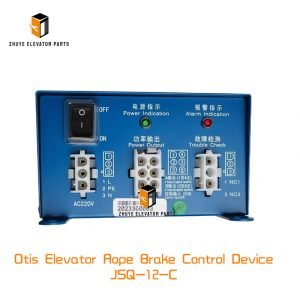
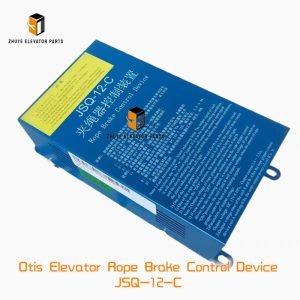
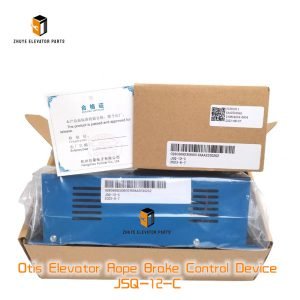
Otis Elevator Rope Brake Control Device JSQ-12-C Brief Introduction
|
Product Name |
Otis Elevator Rope Brake Control Device |
| Model Number | JSQ-12-C |
|
Quality
|
Original.Brand New
|
|
Payment
|
T/T. Paypal. Western Union
|
|
Delivery
|
3-5 Working Days
|
|
Packaging
|
Packed by carton
|
Otis Elevator Rope Brake Control Device JSQ-12-C: Usage Guide, Replacement Cycle & Premium Supply from Nanjing Zhuye
As a core safety component in Otis elevator systems, the Rope Brake Control Device JSQ-12-C is designed to regulate brake operations, prevent overspeeding, and ensure reliable emergency stops—critical for protecting passengers and maintaining elevator compliance with global safety standards. For elevator maintenance professionals, property managers, and facility operators, mastering its correct usage and understanding replacement timelines is indispensable to uphold operational safety and minimize downtime. Nanjing Zhuye Elevator Parts, a leading supplier of authentic elevator components, delivers the JSQ-12-C device that meets Otis’s original manufacturing specifications, guaranteeing seamless compatibility and long-lasting performance for your elevator systems.
Proper Usage Methods of Otis Rope Brake Control Device JSQ-12-C
1. Pre-Operation Preparation
Before installing or operating the JSQ-12-C, adhere to strict safety protocols: shut down the elevator power supply, lock the control panel, and place warning signs to prevent unauthorized access. Inspect the device for any shipping damage—such as dents, loose fasteners, or damaged wiring—common issues that can compromise functionality. Nanjing Zhuye Elevator Parts implements rigorous quality control checks, so every JSQ-12-C unit arrives intact and ready for installation. Additionally, confirm the device’s compatibility with your Otis elevator model by cross-referencing the elevator’s technical manual or consulting Nanjing Zhuye’s technical support team.
2. Installation & Operation Steps
- Mounting the Device: Locate the designated installation position in the elevator’s machine room—typically near the rope brake assembly. Secure the JSQ-12-C with the provided bolts, ensuring it is level and firmly fixed to avoid vibration during operation. Vibration can disrupt sensor signals and reduce brake responsiveness.
- Wiring Connection: Connect the device to the elevator’s control system using the specified wiring harness (included with the product). Follow the wiring diagram provided by Nanjing Zhuye or Otis, ensuring correct polarity and tight connections. Miswiring can lead to brake failure or erratic operation—double-check connections before powering on.
- Parameter Calibration: After wiring, calibrate the device’s settings to match your elevator’s specifications (e.g., rated speed, brake force). Use the control panel’s diagnostic interface to adjust parameters such as brake activation threshold and release delay. Refer to the JSQ-12-C user manual for detailed calibration instructions, or seek guidance from Nanjing Zhuye’s engineers.
- Functional Testing: Power on the elevator and conduct a series of tests to verify performance:
- Activate the emergency stop function to ensure the brake engages promptly and holds the elevator securely.
- Test normal operation (ascending/descending) to confirm the brake releases smoothly without dragging or noise.
- Monitor the device’s LED indicators—steady green indicates normal operation, while red alerts signal faults (refer to the manual for fault code interpretation).
3. Routine Operation Maintenance
During daily use, incorporate these practices to preserve the device’s functionality:
- Conduct weekly visual inspections to check for loose wiring, oil leaks, or corrosion on the device’s surface.
- Clean the device and surrounding area monthly to remove dust, debris, and oil buildup—contaminants can interfere with sensor performance.
- Verify parameter settings quarterly to ensure they remain aligned with elevator operational requirements, especially after system upgrades or maintenance.
Recommended Replacement Cycle
The service life of the Otis Rope Brake Control Device JSQ-12-C is influenced by operational intensity, environmental conditions (e.g., temperature, humidity), and maintenance quality. Nanjing Zhuye Elevator Parts recommends the following replacement guidelines based on industry standards and technical expertise:
1. Standard Replacement Cycle
Under normal operating conditions (10–16 hours of daily use, moderate passenger traffic), the JSQ-12-C should be replaced every 6–8 years. This timeframe accounts for the gradual wear of internal components (e.g., sensors, solenoids) and ensures the device maintains optimal safety performance. Proactive replacement reduces the risk of sudden brake failure, which can lead to costly downtime and safety hazards.
2. Signs That Require Immediate Replacement
Replace the device immediately if you observe any of the following issues:
- Unusual brake noise (e.g., squealing, grinding) during activation or release, indicating worn internal mechanisms.
- Delayed brake response (e.g., elevator continues moving slightly after stopping) or inconsistent brake force—signs of sensor or solenoid deterioration.
- Frequent fault codes related to the brake control system, even after troubleshooting wiring and power supply.
- Physical damage to the device, such as cracked housing, water intrusion, or burnt components.
- Obsolete parts: As elevator technology evolves, older JSQ-12-C models may become difficult to repair due to discontinued replacement parts—timely replacement with a new unit from Nanjing Zhuye is more cost-effective.
3. Maintenance to Extend Service Life
To maximize the JSQ-12-C’s lifespan, implement these maintenance measures:
- Keep the machine room at a stable temperature (15–30°C) and low humidity to prevent component corrosion and overheating.
- Inspect the rope brake assembly annually—worn brake pads or cables can place excessive stress on the control device.
- Use only genuine replacement parts from Nanjing Zhuye for repairs, as counterfeit parts may cause malfunctions or safety risks.
- Train maintenance staff on proper device handling and troubleshooting to avoid accidental damage during inspections.
Why Choose Nanjing Zhuye Elevator Parts?
When sourcing the Otis Elevator Rope Brake Control Device JSQ-12-C, Nanjing Zhuye Elevator Parts offers unmatched advantages for elevator professionals:
- Authenticity & Compatibility: All JSQ-12-C devices are manufactured to Otis’s original specifications, ensuring full compatibility with your elevator system and adherence to global safety standards (e.g., EN 81, ASME A17.1).
- Stringent Quality Assurance: Each unit undergoes comprehensive testing, including functionality, durability, and safety performance, to guarantee reliable operation in critical scenarios.
- Expert Technical Support: Nanjing Zhuye’s team of certified engineers provides 24/7 technical assistance—from installation guidance to troubleshooting and parameter calibration—ensuring a smooth user experience.
- Efficient Global Delivery: With a well-established supply chain and logistics network, Nanjing Zhuye delivers orders promptly to locations worldwide, minimizing elevator downtime.
- Competitive Pricing: By cutting out middlemen, Nanjing Zhuye offers cost-effective solutions without compromising quality, helping you reduce maintenance costs while maintaining safety.
Conclusion
The Otis Elevator Rope Brake Control Device JSQ-12-C is a non-negotiable safety component that safeguards elevator operations and passenger well-being. By following proper usage methods, adhering to recommended replacement cycles, and partnering with a trusted supplier like Nanjing Zhuye Elevator Parts, you can ensure your elevator systems remain safe, reliable, and compliant. Whether you need a replacement device, technical support, or customized solutions, Nanjing Zhuye is committed to delivering premium elevator parts and professional services tailored to your needs. Invest in safety—choose Nanjing Zhuye Elevator Parts for your Otis JSQ-12-C rope brake control device requirements.