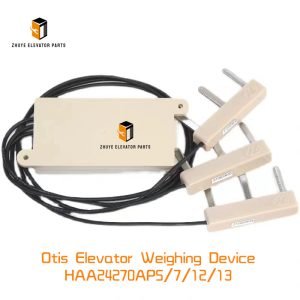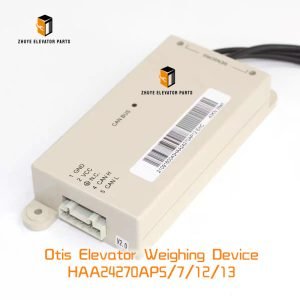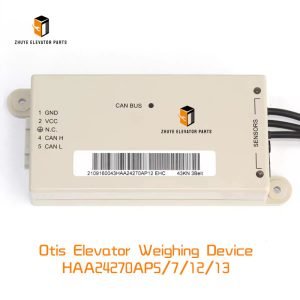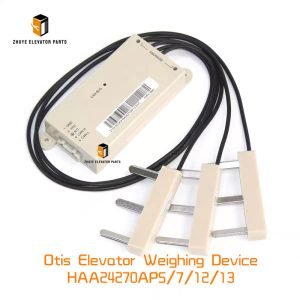
Description
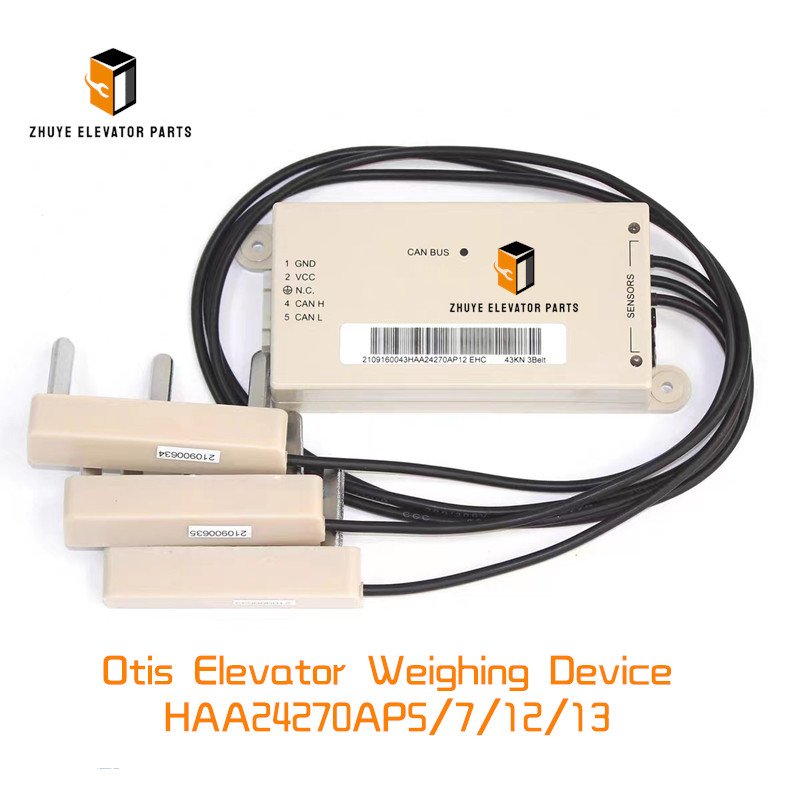
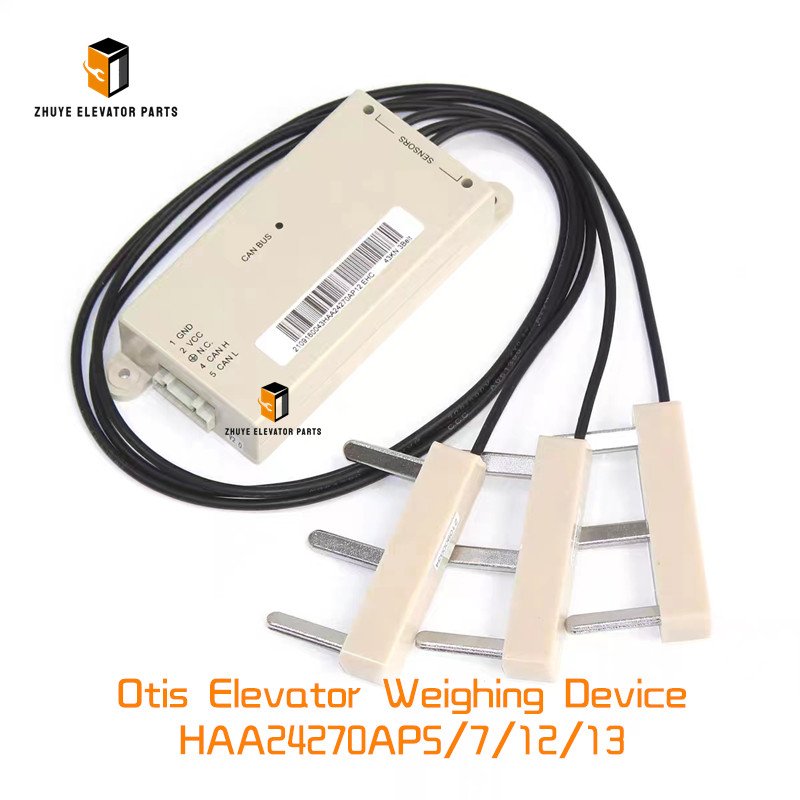
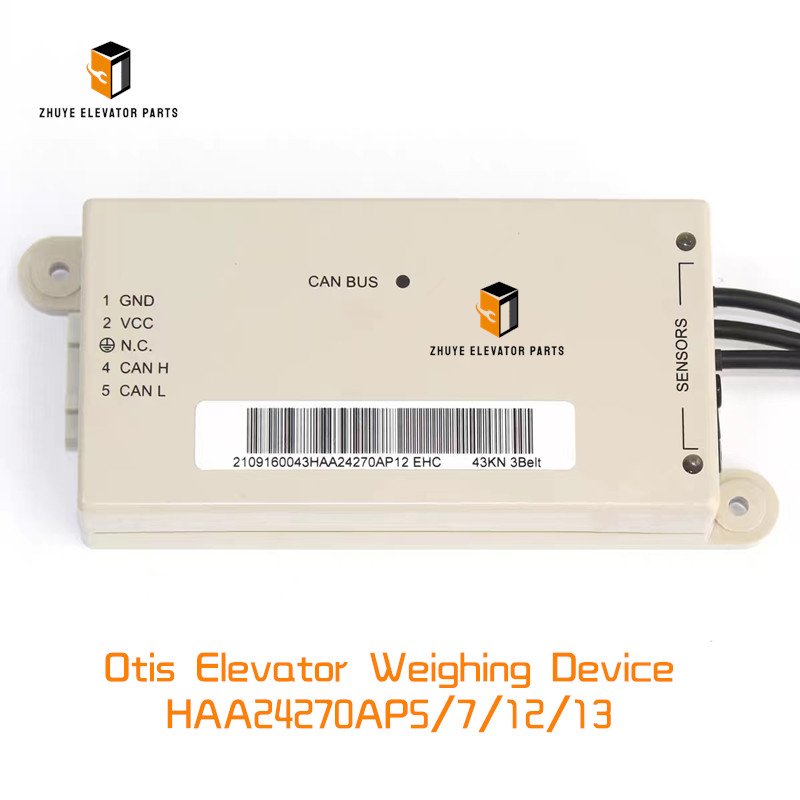
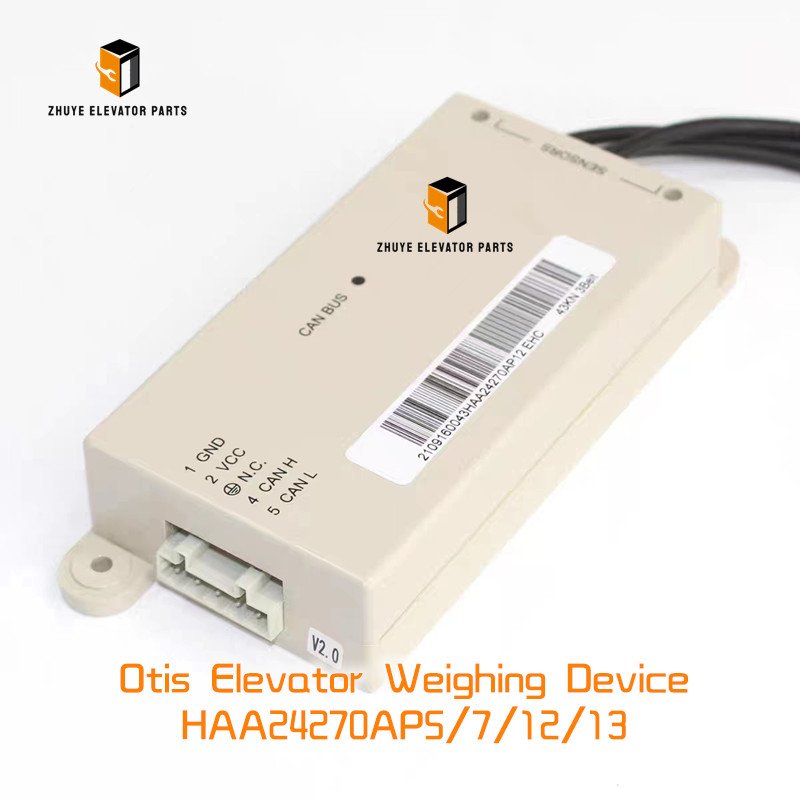
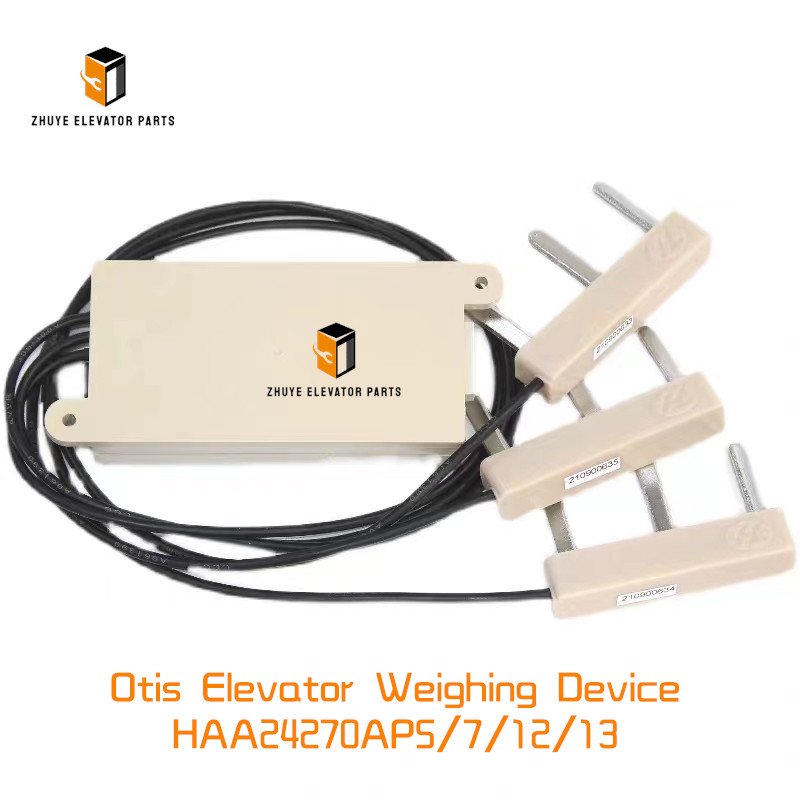
Otis Elevator Weighing Device HAA24270AP5/7/12/13 Brief Introduction
|
Product Name |
Otis Elevator Weighing Device |
| Model Number | HAA24270AP5/7/12/13 |
|
Quality
|
Original.Brand New
|
|
Payment
|
T/T. Paypal. Western Union
|
|
Delivery
|
3-5 Working Days
|
|
Packaging
|
Packed by carton
|
Otis Elevator Weighing Device HAA24270AP5/7/12/13: Comprehensive Installation, Operation, and Maintenance Guide
The Otis Elevator Weighing Device HAA24270AP5/7/12/13 represents a critical component in modern elevator safety systems, providing accurate load measurement and overload protection. As an advanced load sensing device manufactured by Otis, this weighing system plays a vital role in preventing elevator overload situations and ensuring passenger safety. Nanjing Zhuye Elevator Parts, a leading supplier of elevator components, provides these essential weighing devices with guaranteed authenticity and superior quality.
Product Overview and Technical Specifications
The HAA24270A series weighing devices are specifically designed for Otis Gen2 and Gen3 elevator systems, featuring advanced strain gauge technology for precise load measurement. These devices accommodate various elevator configurations with different load capacities, from 630kg to 2000kg, making them suitable for residential, commercial, and high-rise applications.
The series includes multiple variants (AP5, AP7, AP12, and AP13) to match specific elevator models and load requirements. Each device features high-precision load cells with accuracy ratings of ±1% or better, ensuring reliable weight detection. The weighing devices operate on 24V DC power and provide analog or digital output signals compatible with Otis elevator control systems.
Manufactured with robust materials and sealed construction, these weighing devices offer excellent resistance to environmental factors including humidity, temperature variations, and vibration. The compact design allows for easy installation in various elevator configurations while maintaining long-term stability and reliability.
Installation Procedure and Setup
Proper installation of the HAA24270A series weighing device requires professional technicians with expertise in Otis elevator systems and electronic components. The installation process must follow strict safety protocols and manufacturer specifications.
The installation begins with positioning the elevator car to provide safe access to the weighing device mounting location. Technicians must ensure all power sources are disconnected and that the elevator is properly secured before commencing work. The existing weighing device removal process involves carefully documenting all electrical connections and mechanical mounting arrangements.
Mounting the new weighing device requires precise positioning according to Otis specifications. The device must be properly aligned with the load transmission points to ensure accurate weight measurement. Installation involves securing the weighing device using appropriate mounting hardware, ensuring all load cells are properly seated and aligned.
Electrical connections must be made following Otis wiring diagrams, with particular attention to proper polarity and grounding. The device should be connected to the elevator control system using shielded cables to minimize electrical interference. All connections should be verified for continuity and insulation resistance before applying power.
The installation process concludes with initial calibration and testing to verify proper operation. Technicians must ensure that the weighing device provides stable readings and responds appropriately to load changes.
Operational Function and Performance
Once installed and calibrated, the HAA24270A series weighing device continuously monitors the elevator load status. The device utilizes advanced strain gauge technology to detect minute deformations in the load-bearing components, converting these measurements into accurate weight readings.
The weighing device executes several critical functions:
-
Overload Detection: Monitors elevator load and triggers alarms or prevents operation when capacity is exceeded
-
Load Indication: Provides real-time weight information to the elevator control system for optimal operation
-
Safety Interlock: Interfaces with door systems and motor controls to prevent unsafe operation
-
Data Logging: Records load information for maintenance analysis and troubleshooting
-
Self-Diagnostics: Continuously monitors device health and alerts technicians to potential issues
The device provides both analog and digital output signals, enabling seamless integration with various Otis control systems. Advanced signal processing algorithms compensate for temperature variations and mechanical vibrations, ensuring consistent accuracy across operating conditions.
Maintenance Requirements and Calibration Schedule
Regular maintenance of the HAA24270A series weighing device is essential for long-term accuracy and reliability. The recommended maintenance schedule includes monthly visual inspections, quarterly performance verification, and annual comprehensive calibration.
Monthly inspections should focus on visual examination of the device for signs of damage, corrosion, or contamination. Technicians should check all electrical connections for tightness and signs of overheating. The device mounting should be inspected to ensure it remains secure and properly aligned.
Quarterly maintenance involves verifying weighing accuracy using known test weights. The device should be tested at various load levels to ensure linearity and repeatability. Any deviation from specified accuracy should be addressed through recalibration or component replacement.
Annual calibration requires comprehensive testing using certified reference weights traceable to national standards. The calibration process typically involves:
-
Zero calibration with no load applied
-
Span calibration at full rated capacity
-
Linearity verification at multiple points (typically 25%, 50%, 75%, and 100% of capacity)
-
Repeatability testing to ensure consistent readings
-
Documentation of calibration results and any adjustments made
The typical replacement cycle for weighing devices ranges from 8 to 12 years, depending on usage intensity and environmental conditions. However, several factors may necessitate earlier replacement:
-
Accuracy Degradation: Device no longer meets specified accuracy requirements
-
Component Failure: Load cell or electronics failure affecting operation
-
Physical Damage: Impact or corrosion affecting structural integrity
-
Environmental Factors: Extreme conditions accelerating component aging
-
Technology Updates: Newer devices offering enhanced features or improved reliability
Signs indicating the need for replacement include persistent accuracy issues despite calibration, unstable or erratic readings, component corrosion or damage, and failure to respond properly to load changes.
Nanjing Zhuye Elevator Parts: Your Trusted Partner
Nanjing Zhuye Elevator Parts has established itself as a premier supplier of genuine Otis elevator components, offering the complete range of HAA24270A series weighing devices. With extensive experience in the elevator industry, the company provides not only quality parts but also comprehensive technical support and expertise.
The company’s advantages include guaranteed authentic Otis components manufactured to original specifications, competitive pricing through direct factory relationships, comprehensive inventory ensuring immediate availability for all device variants, expert technical support for installation and calibration, worldwide shipping capabilities, and comprehensive warranty coverage.
Conclusion
The Otis Elevator Weighing Device HAA24270AP5/7/12/13 series represents a critical safety component that demands proper installation, regular maintenance, and timely replacement. These advanced load sensing devices provide essential overload protection while contributing to optimal elevator performance. With Nanjing Zhuye Elevator Parts as your trusted supplier, you gain access to genuine components, expert support, and reliable service. Investing in quality weighing devices and maintaining them properly is essential for elevator operators committed to safety, regulatory compliance, and long-term performance. Regular attention to these critical safety components contributes significantly to preventing overload situations and maintaining optimal elevator operation throughout the system’s operational lifespan.