

Description
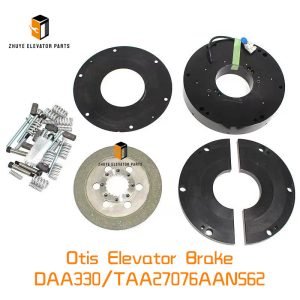
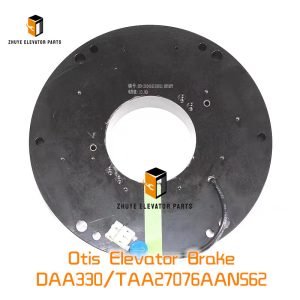
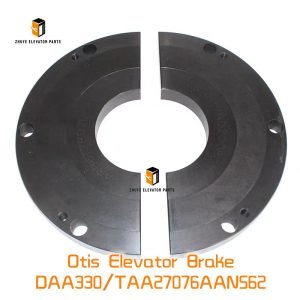
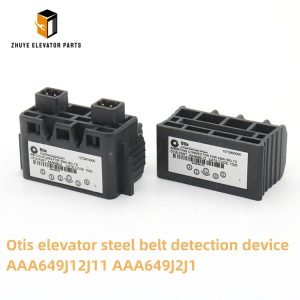
Otis Elevator Brakes DAA330/TAA27076AAN562 Brief Introduction
|
Product Name |
Otis Elevator Brakes |
| Model Number | DAA330/TAA27076AAN562 |
|
Quality
|
Original.Brand New
|
|
Payment
|
T/T. Paypal. Western Union
|
|
Delivery
|
3-5 Working Days
|
|
Packaging
|
Packed by carton
|
Otis Elevator Brakes DAA330/TAA27076AAN562: Comprehensive Installation, Operation, and Maintenance Guide
The Otis Elevator Brakes DAA330/TAA27076AAN562 represent critical safety components in modern elevator systems, ensuring reliable stopping power and passenger protection. As advanced electromagnetic brake assemblies manufactured by Otis, these units play a vital role in elevator safety systems, particularly in Gen2 steel belt gearless traction machines. Nanjing Zhuye Elevator Parts, a leading supplier of elevator components, provides these essential brake systems with guaranteed authenticity and superior quality.
Product Overview and Technical Specifications
The DAA330 and TAA27076AAN562 brake systems are specifically designed for Otis Gen2 elevator systems, featuring advanced electromagnetic technology for precise braking control. These brakes operate on the principle of electromagnetic release, meaning they remain engaged in their default state and release only when electrical power is applied. This fail-safe design ensures automatic braking in the event of power failure, providing an additional layer of safety.
The DAA330 series brakes typically feature a rated voltage of 48V DC with resistance values around 13.2Ω, while the TAA27076AAN562 variant is rated for 1000-1275kg loads. These brakes are constructed with high-quality materials including precision-machined brake discs, durable friction linings, and robust electromagnetic coils. The compact design allows for easy integration into existing traction machine assemblies while meeting international safety standards including CE and UL certifications.
Installation Procedure and Setup
Proper installation of the DAA330/TAA27076AAN562 brake systems is crucial for elevator safety and requires professional technicians with expertise in Otis Gen2 systems. The installation process must follow strict safety protocols and manufacturer specifications.
The installation begins with a comprehensive safety assessment, ensuring the elevator is properly secured and all power sources are disconnected. Technicians must verify that the traction machine is stable and that all safety devices are engaged before commencing work. The old brake assembly removal process involves carefully documenting the existing wiring connections and mounting configurations.
Mounting the new brake assembly requires precise alignment with the traction machine shaft. The brake must be positioned to ensure proper clearance between the brake disc and friction linings, typically maintaining an air gap of 0.02-0.04 inches. Installation involves securing the brake housing with appropriate torque specifications, ensuring all mounting bolts are tightened according to Otis standards.
Electrical connections must be made following the manufacturer’s wiring diagrams, with particular attention to proper polarity and grounding. The brake coil connections should be verified for continuity and insulation resistance before applying power. Technicians must also ensure that the brake release mechanism operates smoothly and that manual release functions are accessible for emergency situations.
Operational Function and Performance
Once installed and calibrated, the DAA330/TAA27076AAN562 brake systems provide critical safety functions within the elevator system. These brakes operate in conjunction with the elevator control system to provide precise stopping power under various operating conditions.
The electromagnetic brake functions through several key operational modes:
-
Normal Operation: The brake remains released while power is applied to the electromagnetic coil, allowing free rotation of the traction machine.
-
Emergency Stopping: When power is removed or an emergency stop is initiated, the brake automatically engages, bringing the elevator to a controlled stop.
-
Power Failure Protection: In the event of power loss, the brake immediately engages, preventing uncontrolled elevator movement.
-
Maintenance Mode: Manual release mechanisms allow technicians to disengage the brake for maintenance and inspection procedures.
The brake system provides consistent torque output throughout its operational life, with typical braking torques capable of stopping 125% of the rated load. The advanced friction materials ensure smooth engagement with minimal noise and vibration, contributing to passenger comfort.
Maintenance Requirements and Replacement Schedule
Regular maintenance of the DAA330/TAA27076AAN562 brake systems is essential for long-term reliability and safety. The recommended maintenance schedule includes monthly functional tests, quarterly detailed inspections, and annual comprehensive evaluations.
Monthly maintenance should include testing the brake release function, checking for unusual noise during operation, and verifying that the brake engages promptly when power is removed. Technicians should inspect the brake disc for signs of wear, scoring, or contamination, and check that the air gap remains within specified tolerances.
Quarterly maintenance involves more detailed examination, including measuring brake lining thickness, checking electromagnetic coil resistance, and verifying proper torque output. The brake disc surface should be cleaned and inspected for cracks or excessive wear. All electrical connections should be checked for tightness and corrosion.
The typical replacement cycle for brake components varies based on usage intensity and environmental conditions. Brake linings generally require replacement every 3-5 years, while the complete brake assembly typically lasts 8-12 years under normal operating conditions. However, several factors may necessitate earlier replacement:
-
Excessive Lining Wear: When lining thickness decreases below minimum specifications
-
Brake Disc Damage: Cracks, scoring, or warping affecting braking performance
-
Electromagnetic Coil Failure: Open circuits, short circuits, or insulation breakdown
-
Environmental Factors: Corrosive environments or extreme operating conditions
-
Performance Degradation: Reduced braking torque or inconsistent operation
Signs indicating the need for replacement include increased stopping distance, unusual noise during braking, visible lining wear exposing rivets, electromagnetic coil overheating, and failure to hold the rated load.
Nanjing Zhuye Elevator Parts: Your Trusted Supplier
Nanjing Zhuye Elevator Parts has established itself as a premier supplier of genuine Otis elevator brake systems, offering the complete range of DAA330 and TAA27076AAN562 components. With extensive experience in the elevator industry, the company provides not only quality parts but also comprehensive technical support and expertise.
The company’s advantages include guaranteed authentic Otis components, competitive pricing through direct sourcing relationships, comprehensive inventory ensuring immediate availability, expert technical support for installation and troubleshooting, worldwide shipping capabilities, and comprehensive warranty coverage.
Conclusion
The Otis Elevator Brakes DAA330/TAA27076AAN562 represent critical safety components that demand proper installation, regular maintenance, and timely replacement. These advanced electromagnetic brake systems provide reliable stopping power and fail-safe operation essential for passenger safety. With Nanjing Zhuye Elevator Parts as your trusted supplier, you gain access to genuine components, expert support, and reliable service. Investing in quality brake systems and maintaining them properly is essential for elevator operators committed to safety, regulatory compliance, and long-term performance. Regular attention to these critical safety components contributes significantly to preventing accidents and maintaining optimal elevator performance throughout the system’s operational lifespan.