
Description
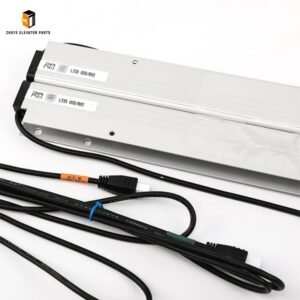
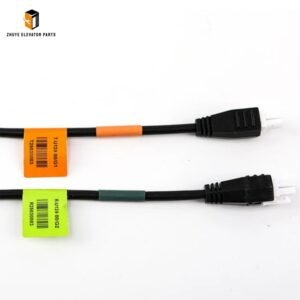
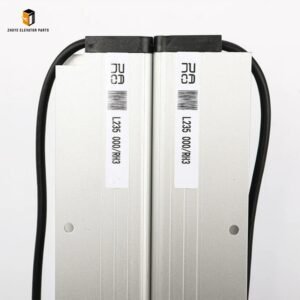
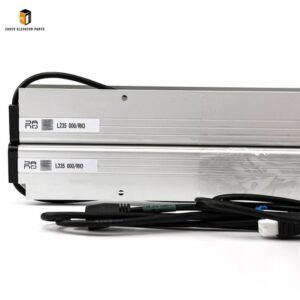
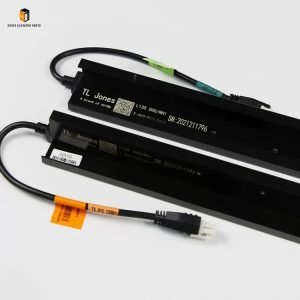
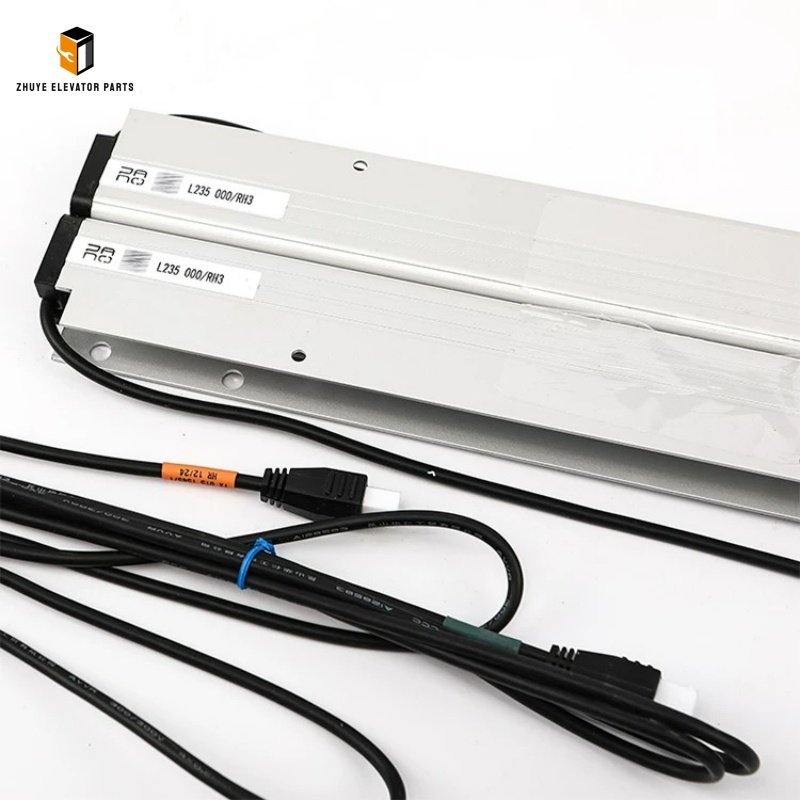
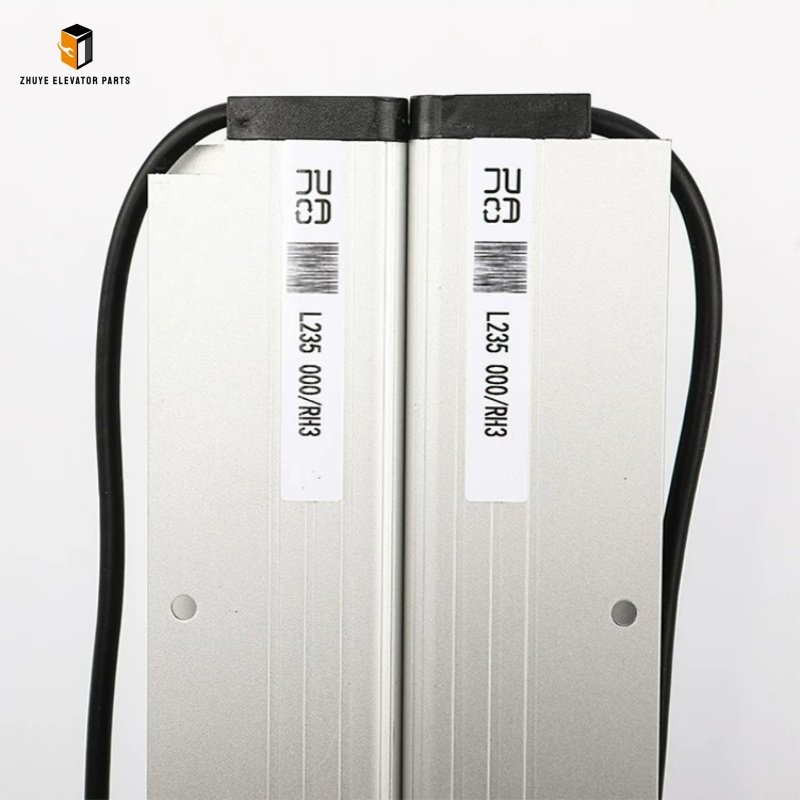
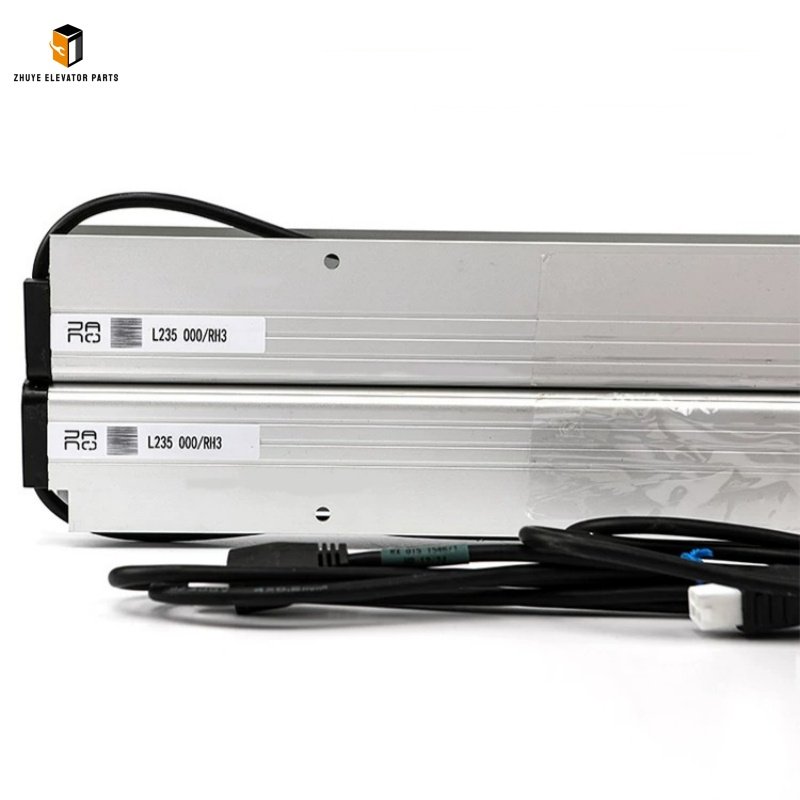
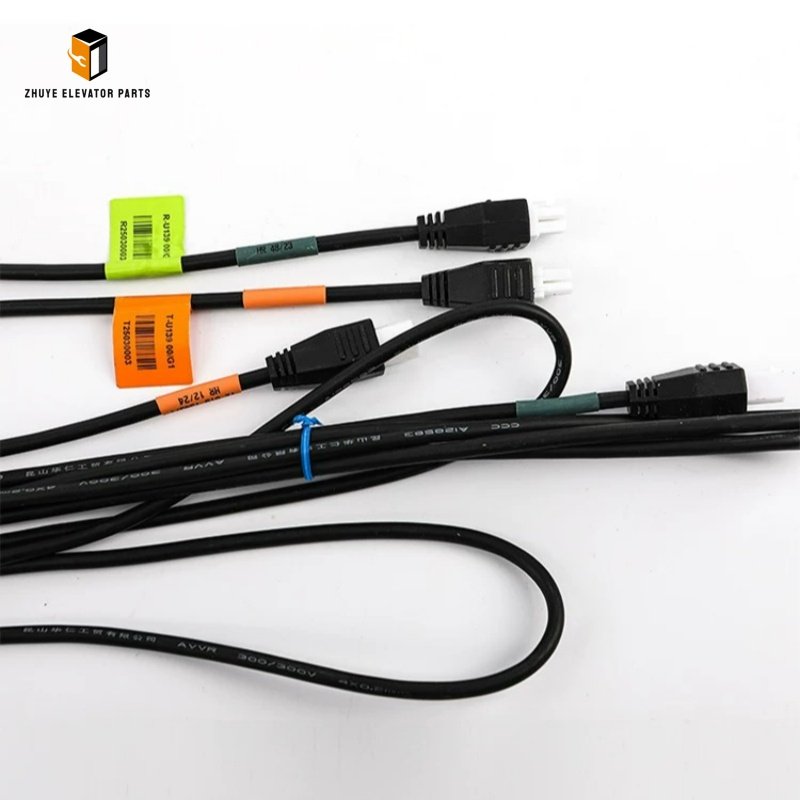
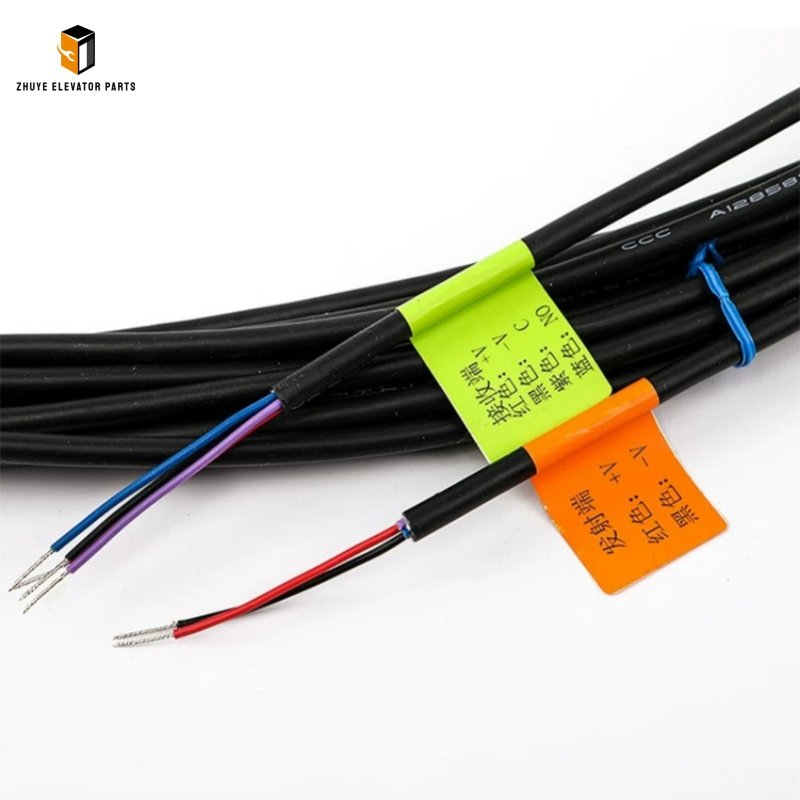
Elevator Light Curtain L235 000-RH3
|
Product Name |
Elevator Light Curtain |
| Model Number | L235 000-RH3 |
|
Quality
|
Original.Brand New
|
|
Payment
|
T/T. Paypal. Western Union
|
|
Delivery
|
3-5 Working Days
|
|
Packaging
|
Packed by carton
|
Elevator Light Curtain L235 000-RH3 | Compatible with Hitachi Elevators
The Elevator Light Curtain L235 000–RH3 is a high-precision infrared safety protection component professionally designed and fully compatible withHitachi elevators. Installed on both sides of the elevator car door, this dedicated sensor module acts as the core anti-pinch safety device for Hitachi elevator door systems. It creates a dense, full-coverage infrared protective grid across the door opening, accurately detecting passengers, cargo and obstacles in real time to trigger automatic door reversal. This core function effectively prevents door clamping accidents and guarantees stable, safe daily operation of Hitachi elevator equipment. Common door safety malfunctions, including unresponsive anti-clamp features, intermittent sensor failures, irregular door cycling and recurring safety error codes, are mainly caused by infrared probe aging, internal circuit attenuation, lens dust buildup and long-term mechanical vibration. Manufactured in strict compliance with Hitachi’s original electrical protocols and mounting standards, the L235 000-RH3 light curtain serves as a standard OEM replacement part for routine maintenance, safety system troubleshooting and bulk inventory preparation for global elevator service providers.
Equipped with high-sensitivity infrared transceivers and stable dedicated drive circuits, the Hitachi Elevator Light Curtain L235 000-RH3 delivers outstanding detection accuracy and long-term operational stability. Optimized for the high-frequency cyclic door movement of Hitachi elevator systems, it effectively resists indoor light interference, dust accumulation and mechanical shaking, maintaining consistent and sensitive signal induction without response delays or signal loss. All electrical parameters, interface definitions and mounting dimensions fully conform to Hitachi factory specifications, supporting direct plug-and-play replacement without circuit modification or complex parameter calibration. Built-in overvoltage, overcurrent and short-circuit protection modules prevent circuit burnout and system disorder, making this light curtain ideal for long-duration continuous operation of mainstream Hitachi residential and commercial elevators.
Standard Installation & Professional Operation Guidelines
All disassembly and installation work for the L235 000-RH3 elevator light curtain must be performed by certified technicians specializing in Hitachi elevator maintenance. Before initiating any operation, completely cut off the elevator door control power and safety circuit power, lock the safety isolation switch, and post a prominent “Maintenance In Progress” warning sign on-site. Live-line operation and blind disassembly are strictly prohibited to avoid electric shock hazards, circuit short-circuits and functional failure of the elevator safety protection system.
Access the elevator car top with standard insulated maintenance tools and locate the original light curtain fixed on the car door frames. Verify the part model to confirm full compatibility with the Hitachi L235 000-RH3 specification. Disconnect all power lines and signal connectors in sequence with clear marking to avoid misconnection during reinstallation. Remove the fixing fasteners and gently dismount the faulty or aging original device. Thoroughly clean the infrared probe lenses and mounting bases to eliminate dust and stains that may block infrared signals and cause detection failures.
Install the brand-new L235 000-RH3 light curtain at the standard mounting position and fasten all fixing parts securely to prevent positional displacement caused by long-term door vibration. Reconnect all wiring strictly following the marked sequence and double-check all terminals for firm connection and correct circuit logic. After installation, restore the power supply and conduct comprehensive functional tests, including full-range infrared detection, door anti-clamp linkage debugging and continuous operation testing, to ensure stable, sensitive and fault-free safety protection for Hitachi elevator door systems.
Scientific Replacement Cycle & Fault Replacement Standards
The service life of the L235 000-RH3 elevator light curtain varies with elevator operating frequency and on-site environmental conditions. For conventional residential and low-frequency office Hitachi elevators, the recommended standard replacement cycle is 6 to 8 years.
For high-traffic venues such as shopping malls, hospitals and transportation hubs, or dusty and humid hoistway environments, the light curtain endures frequent vibration and continuous environmental erosion. It is recommended to shorten the replacement cycle to 4 to 5 years to prevent sudden safety protection failure and potential elevator operational risks.
Immediate replacement of the L235 000-RH3 light curtain is required once abnormal symptoms occur, including insensitive anti-clamp response, frequent safety fault codes, intermittent signal loss and blurred or blocked probe lenses. Timely replacement eliminates hidden door safety hazards and maintains reliable protective performance for all Hitachi elevator systems.
Reliable Supply Advantages from Our Factory
We supply brand-new, factory-tested Elevator Light Curtain L235 000-RH3, 100% compatible with all mainstream Hitachi elevator models. Every unit undergoes strict detection accuracy calibration, signal stability testing and 72-hour continuous aging tests before shipment to ensure consistent premium quality. We maintain sufficient in-stock inventory, support fast global cross-border logistics, and provide professional remote installation and troubleshooting guidance. Our high-quality OEM elevator safety accessories reduce on-site maintenance costs, minimize elevator downtime, and help global elevator contractors improve operational safety and overall service efficiency.