Description
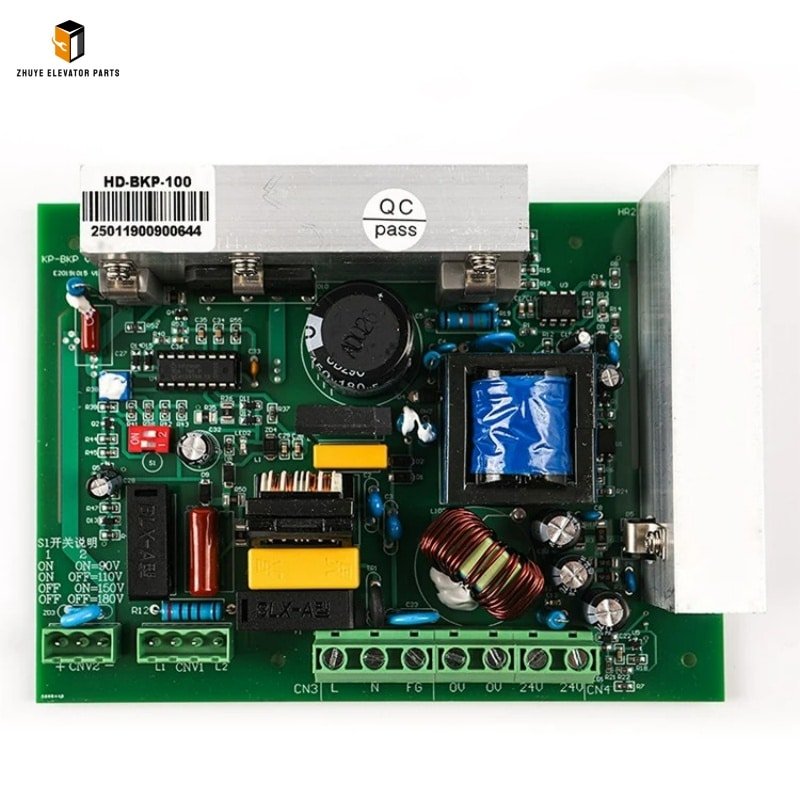
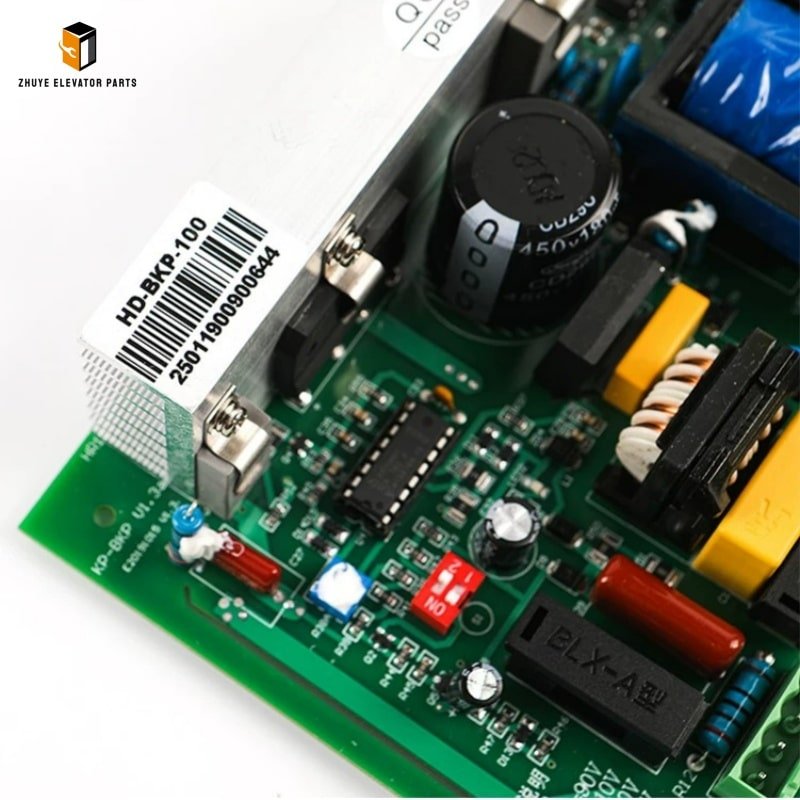
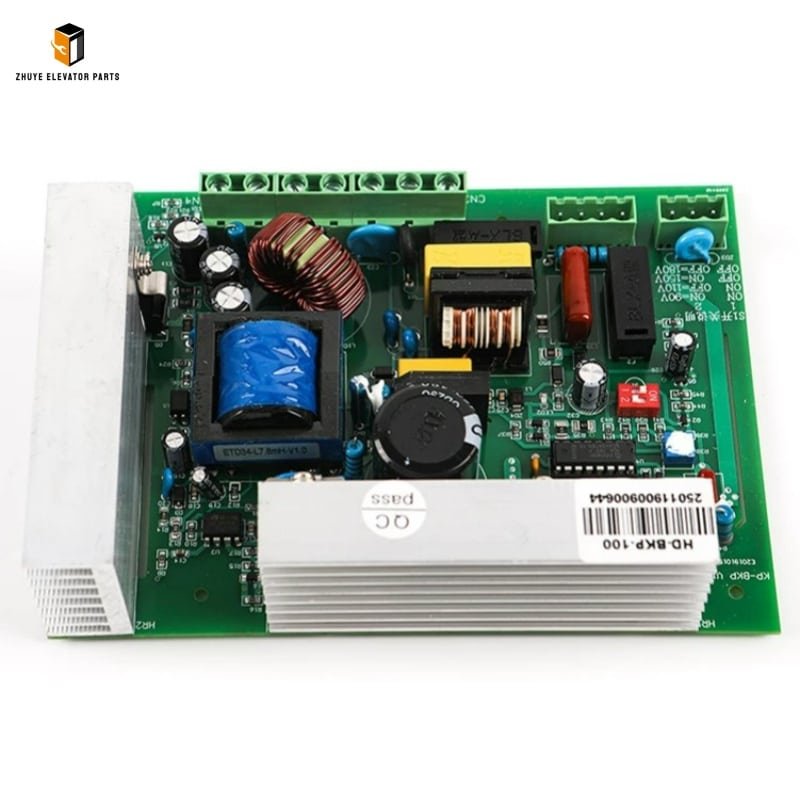
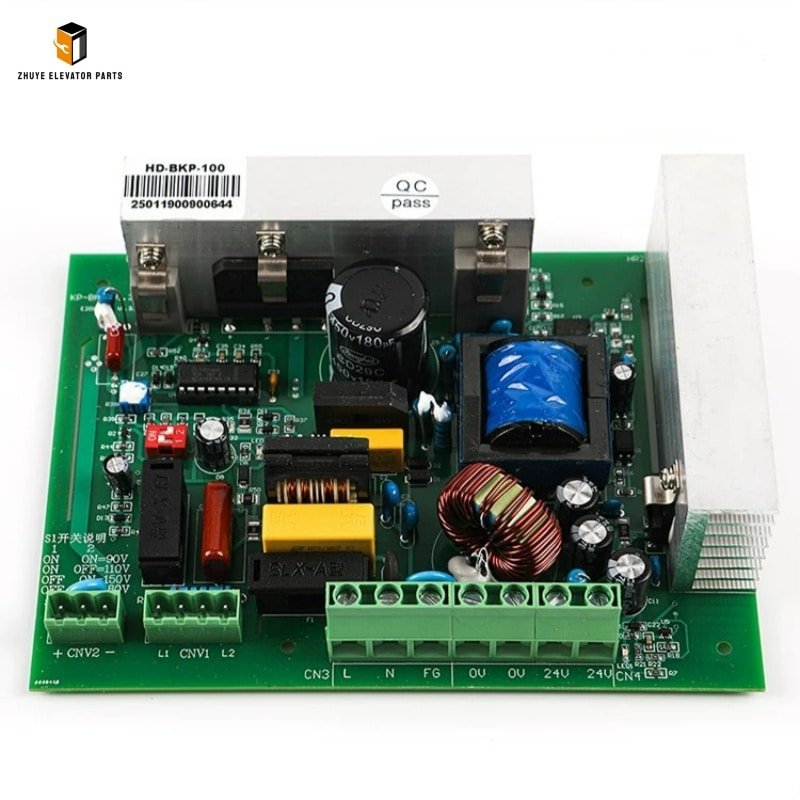
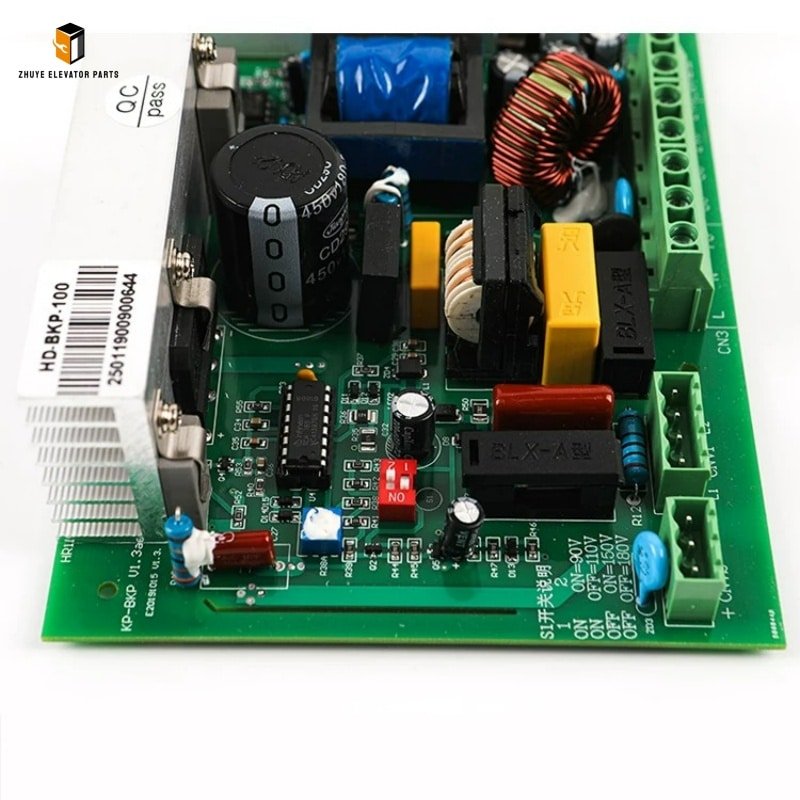
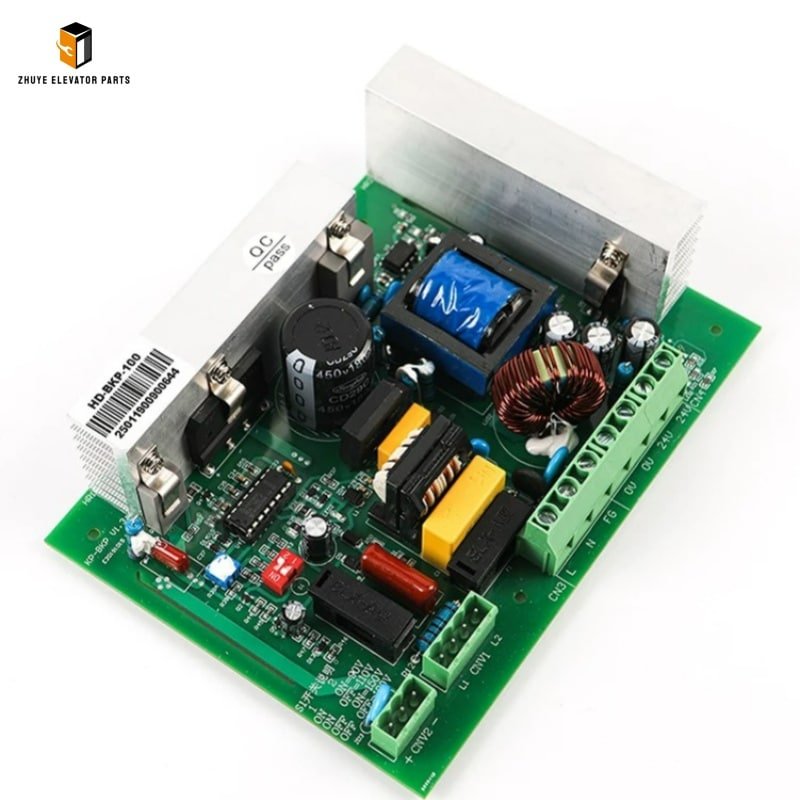
Elevator STVF9 Brake Power Board HD-BKP-100
|
Product Name |
Elevator STVF9 Brake Power Board |
| Model Number | HD-BKP-100 |
|
Quality
|
Original.Brand New
|
|
Payment
|
T/T. Paypal. Western Union
|
|
Delivery
|
3-5 Working Days
|
|
Packaging
|
Packed by carton
|
Elevator STVF9 Brake Power Board HD-BKP-100 | Compatible with Hyundai Elevators
The Elevator STVF9 Brake Power Board HD-BKP-100 is a dedicated professional brake power control component fully compatible with Hyundai STVF9 series elevators. Installed inside the elevator machine room control cabinet, this specialized power board serves as the core power supply unit for the elevator traction brake system. It provides stable, precisely regulated voltage for brake release, holding and reset operations, perfectly matching the start-stop and safety logic of Hyundai STVF9 elevator systems to ensure smooth traction operation and reliable brake locking. Common elevator faults including unresponsive brake release, jittery elevator startup, abnormal running noise, delayed floor stopping and intermittent brake system errors are mostly caused by onboard component aging, capacitor attenuation, circuit oxidation and long-term frequent power switching fatigue. Manufactured in strict accordance with Hyundai’s original STVF9 series electrical parameters and mounting standards, the HD-BKP-100 brake power board is a standard OEM replacement part for daily maintenance, brake system troubleshooting and bulk inventory stocking for global elevator service providers.
Built with industrial-grade voltage stabilization circuits and high-durability electronic components, the Hyundai STVF9 Elevator Brake Power Board HD-BKP-100 features ultra-stable power output and strong anti-interference performance. Optimized for long-term cyclic operation of Hyundai STVF9 brake systems, it effectively resists machine room electromagnetic interference, temperature fluctuations and dust accumulation, maintaining consistent brake power supply without voltage drift or instantaneous power loss. All circuit interfaces, output parameters and mounting dimensions fully comply with Hyundai factory specifications, enabling direct plug-and-play replacement without circuit modification or professional parameter calibration. Equipped with built-in overvoltage, overcurrent and short-circuit protection modules, this power board prevents component burnout and brake system disorder, perfectly adapting to long-duration continuous operation of all mainstream Hyundai STVF9 residential and commercial elevators.
Standard Installation & Professional Operation Guidelines
All disassembly and installation procedures for the HD-BKP-100 STVF9 brake power board must be completed by certified technicians specializing in Hyundai elevator systems. Before maintenance work, completely cut off the elevator main power and brake control power loop, lock the safety isolation switch, and post a prominent “Maintenance In Progress” warning sign on-site. Live-line operation and blind disassembly are strictly prohibited to prevent electric shock hazards, short-circuit faults and irreversible damage to the elevator brake control system.
Access the elevator machine room with standard insulated maintenance tools and locate the original STVF9 brake power board inside the control cabinet. Verify the equipment model to confirm full compatibility with the HD-BKP-100 specification for Hyundai STVF9 elevators. Disconnect all power input wires, brake signal terminals and load output connectors one by one, marking each interface clearly to avoid misconnection during reinstallation. Remove the fixing screws and gently detach the aging or faulty original board. Clean the cabinet mounting base and contact interfaces thoroughly to remove dust and oxide layers that may cause poor contact and unstable brake power output.
Install the brand-new HD-BKP-100 brake power board at the standard mounting position and fasten fixing screws firmly to prevent positional offset caused by long-term equipment vibration. Reconnect all wiring strictly according to the marked sequence and double-check all terminals for firm connection and correct circuit logic. After installation, restore the power supply and conduct multiple elevator start-stop tests and brake linkage debugging to verify stable power output, sensitive brake response and fault-free coordination between the traction machine and STVF9 brake system.
Scientific Replacement Cycle & Fault Replacement Standards
The service lifespan of the HD-BKP-100 STVF9 brake power board depends on elevator operating frequency and machine room environmental conditions. For conventional residential and low-frequency office Hyundai STVF9 elevators, the recommended standard replacement cycle is 6 to 8 years.
For high-traffic venues such as shopping malls, hospitals and transit hubs, or humid, dusty machine room environments, the board endures long-term high-frequency switching and environmental erosion. It is advisable to shorten the replacement cycle to 4 to 5 years to prevent sudden brake power failure and unplanned elevator downtime.
Immediate replacement is required once abnormal symptoms occur, including insensitive brake action, unstable power output, frequent STVF9 brake fault codes, board overheating and delayed elevator standby locking. Timely replacement of the HD-BKP-100 brake power board eliminates hidden safety hazards and guarantees precise, stable brake system operation for all Hyundai STVF9 elevator systems.
Reliable Supply Advantages from Our Factory
We supply brand-new factory-tested Elevator STVF9 Brake Power Board HD-BKP-100, 100% compatible with all mainstream Hyundai STVF9 elevator models. Every board undergoes strict power stability testing, brake linkage verification and 72-hour continuous aging tests before shipment. We maintain sufficient in-stock inventory, support fast global cross-border logistics, and provide professional remote installation and debugging guidance. Our high-quality OEM spare parts reduce on-site maintenance difficulty, minimize elevator downtime, and help global elevator contractors improve operational safety and service efficiency.