Description
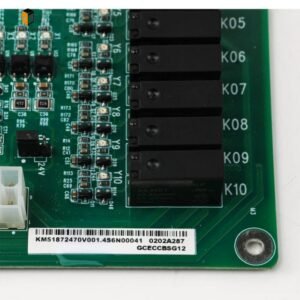
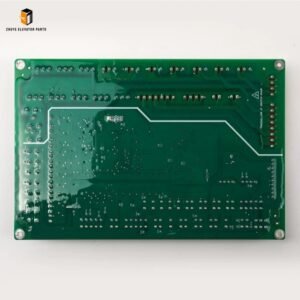
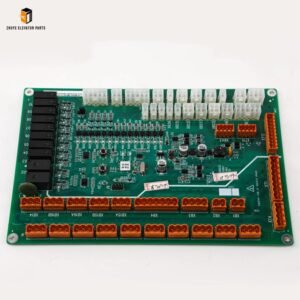
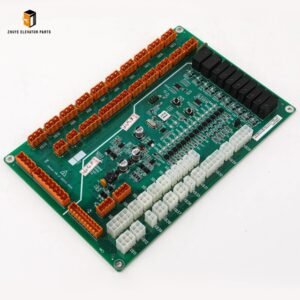
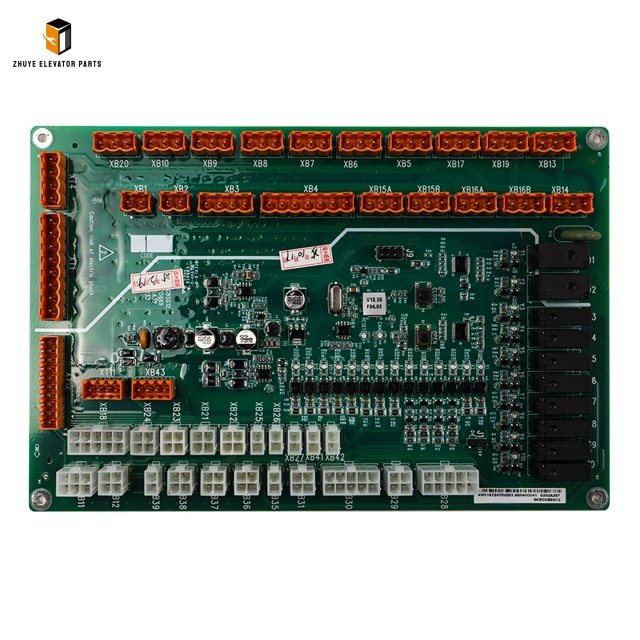
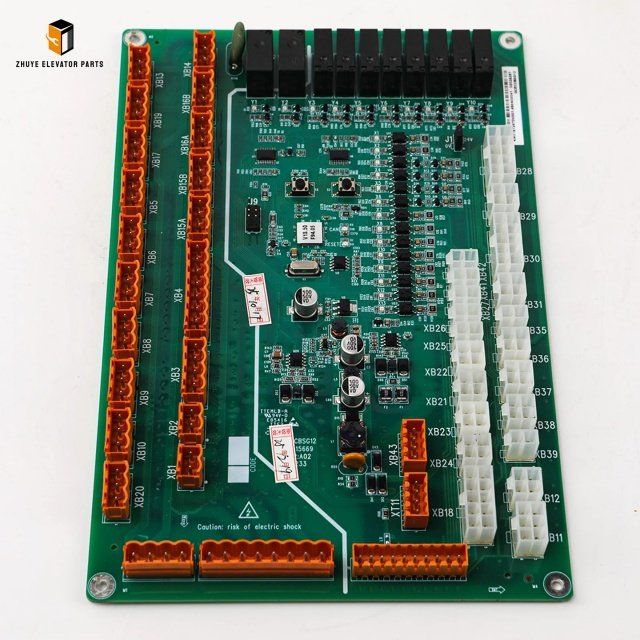
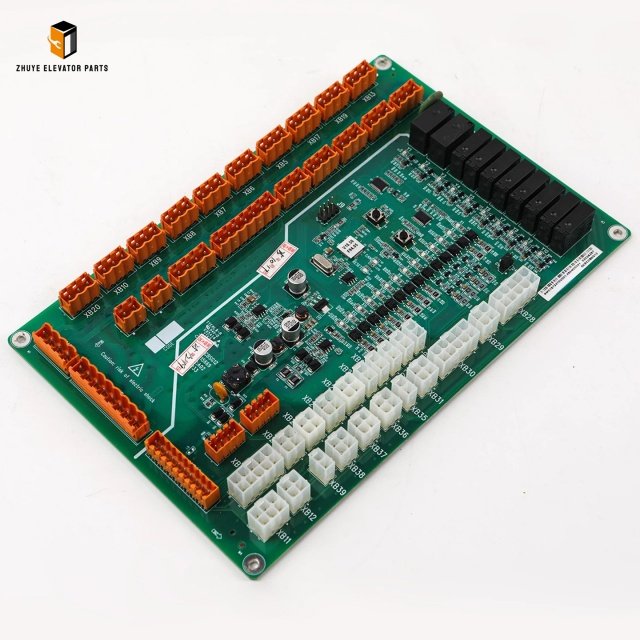
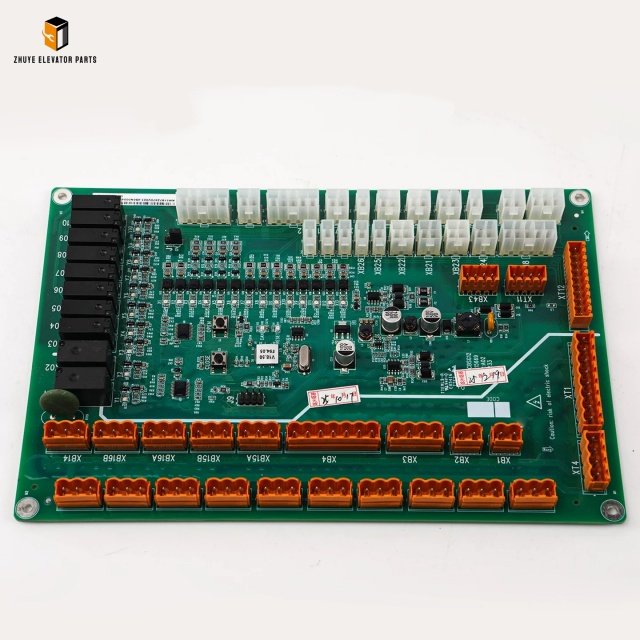
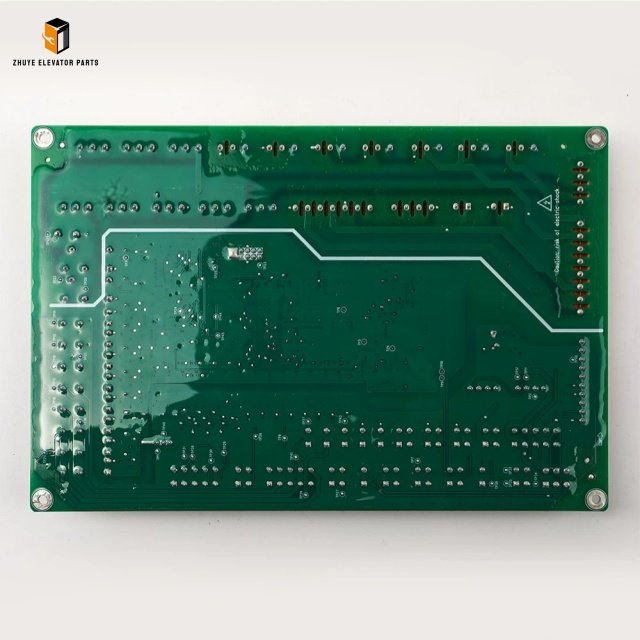
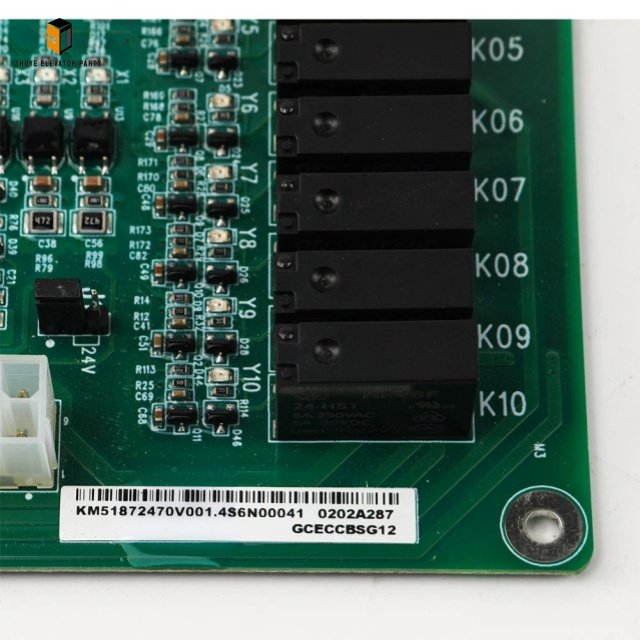
Elevator Car Top Communication Board GCECCBSG12
|
Product Name |
Elevator Car Top Communication Board |
| Model Number | GCECCBSG12 |
|
Quality
|
Original.Brand New
|
|
Payment
|
T/T. Paypal. Western Union
|
|
Delivery
|
3-5 Working Days
|
|
Packaging
|
Packed by carton
|
Elevator Car Top Communication Board GCECCBSG12 | Compatible with KONE Elevators
The Elevator Car Top Communication Board GCECCBSG12 is a dedicated car-top signal transmission core component, precision engineered for direct plug-and-play compatibility with all mainstream KONE elevators. Mounted directly on the elevator car top control box, this professional communication board acts as a dedicated data bridge connecting the car top operating unit, door controller, safety edge sensors, and the main elevator control cabinet. It stably transmits real-time running commands, door interlock feedback signals, and car top safety detection data to ensure coordinated synchronous operation of the entire elevator system. When the original car top communication board fails or ages, KONE elevators often face unresponsive car calls, intermittent door system failures, real-time communication offline alarms, and temporary random shutdowns. Manufactured strictly following original KONE industrial communication protocols and electrical safety standards, the GCECCBSG12 is a standard essential spare part for daily elevator maintenance, on-site fault repair, and elevator modernization renovation projects.
The Elevator Car Top Communication Board GCECCBSG12 adopts industrial flame-retardant anti-vibration PCB and high-sensitivity anti-interference communication chips, perfectly adapting to complex car-top working environments with long-term vibration, dust accumulation, and humidity changes. All mounting hole positions, wiring terminal definitions, signal output parameters, and communication interfaces fully conform to KONE original factory specifications, requiring no program rewriting, parameter calibration, or on-site circuit modification during replacement. Equipped with built-in signal isolation modules and surge protection circuits, the board effectively resists electromagnetic interference from door motors and surrounding electrical components, avoiding signal delay or sudden disconnection. It supports long-term continuous high-frequency signal transmission, delivering stable and reliable communication performance for all types of KONE passenger elevators and commercial freight elevators.
Standard Installation and Professional Operation Steps
All disassembly, wiring, and installation operations of the SF-RY-C relay board must be completed by certified Toshiba elevator technicians. Before starting any work, fully cut off the elevator main power and auxiliary control power, lock the isolation switch with a safety lock, and post a clear “Maintenance In Progress” warning sign. Live-line replacement is strictly prohibited to prevent electric shock, wrong signal triggering, and accidental elevator running accidents.
Open the matching control cabinet or car top electrical box, carefully check the model and load parameters of the old relay board, and confirm full consistency with the SF-RY-C in installation size and circuit logic. Use insulated professional tools to remove each wiring terminal one by one, mark every wire number and corresponding function clearly to prevent misconnection, then remove the fixed mounting screws and take out the aging faulty relay board completely.
Thoroughly clean the mounting bracket and surrounding area to remove metal dust, oil stains, and debris that may cause poor contact or short circuits. Align the positioning holes of the brand-new SF-RY-C Elevator Relay Board, fix it tightly with anti-loose screws to avoid loosening caused by elevator vibration. Reconnect all power lines and signal lines strictly according to the pre-marked labels, double-check terminal firmness and wiring correctness. After full inspection, restore the main power supply, conduct safety loop continuity tests, door linkage tests, and full running tests to confirm stable relay switching and zero abnormal fault codes.
Scientific Replacement Cycle and Timely Replacement Judgment Standards
The overall service life of the SF-RY-C relay board depends on switching frequency and machine room environmental quality. In standard residential buildings and office buildings with dry, ventilated machine rooms and moderate elevator usage, the safe and economical replacement cycle is 6 to 8 years.
For high-flow public buildings such as shopping malls, hospitals, and railway stations, or humid, dusty, high-temperature machine rooms, the relay board bears frequent high-current switching impact. It is necessary to shorten the replacement cycle to 4 to 5 years to prevent sudden relay contact adhesion and unexpected elevator downtime.
Immediate replacement of the SF-RY-C relay board is required once obvious faults appear, including intermittent safety loop disconnection, abnormal buzzing noise from the board, burned yellow terminals, poor relay contact switching, frequent system fault alarms, and local circuit heating. Timely replacement effectively eliminates electrical safety hazards and maintains continuous, stable, and safe operation of all Toshiba elevator equipment.
Advantages of Purchasing GCECCBSG12 from Our Factory
We supply premium original-matching Elevator Relay Board SF-RY-C, fully compatible with all mainstream Toshiba elevator models. Each product undergoes strict high-current aging tests, switching durability tests, and on-site elevator matching inspections before delivery. We maintain sufficient in-stock inventory, support fast global logistics delivery, and provide complete remote installation guidance. Our reliable quality reduces on-site maintenance difficulty, shortens elevator downtime, and helps global elevator contractors improve operational efficiency and service quality.