Elevators are the lifeblood of modern multi-story buildings, ensuring the seamless movement of people and goods. However, as these complex mechanical and electrical systems age, the need for reliable elevator replacement parts becomes critical. Whether you are a building manager in New York or a facility operator in London, understanding when and how to replace elevator components is essential for maintaining safety, compliance, and operational efficiency.
In this comprehensive guide, we will explore the most critical elevator parts, how to identify obsolete components, and the best strategies for sourcing high-quality replacements for your elevator modernization projects.
Understanding Critical Elevator Components
An elevator system consists of thousands of individual parts working in harmony. When planning for maintenance or modernization, it is crucial to understand the primary components that frequently require replacement.
1. Elevator Control Boards (PCBs)
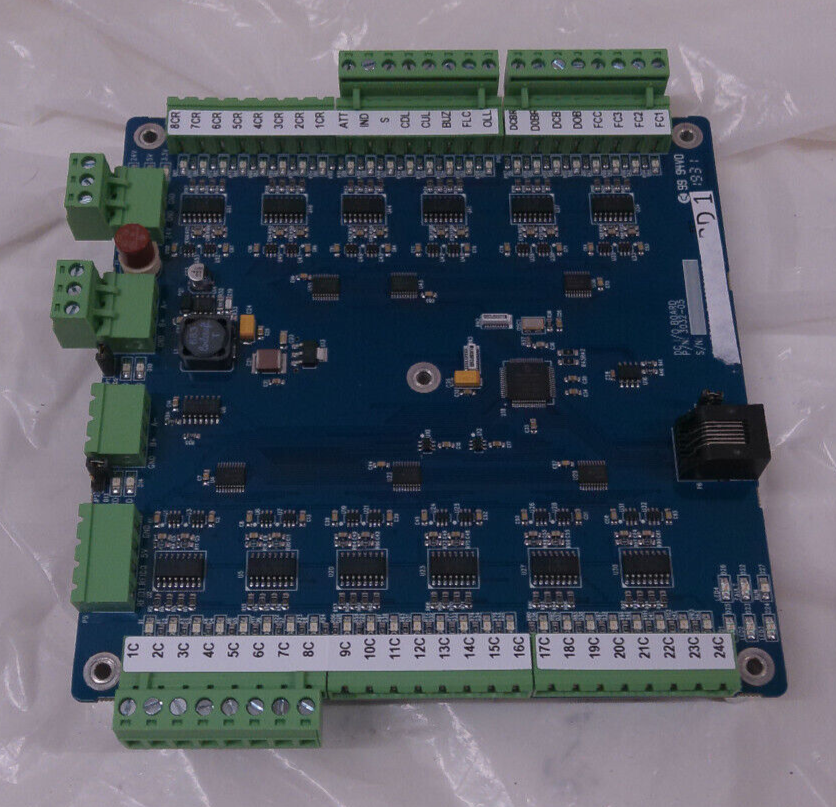
The elevator control board, or Printed Circuit Board (PCB), acts as the “brain” of the entire system. It processes inputs from hall calls, cabin buttons, and safety sensors to direct the motor and door mechanisms. As technology shifts from traditional relay-based systems to advanced microprocessors, older control boards often become obsolete. Upgrading to a modern elevator PCB ensures better energy efficiency, smoother rides, and enhanced integration with building management systems.
2. Elevator Brakes and Safety Systems
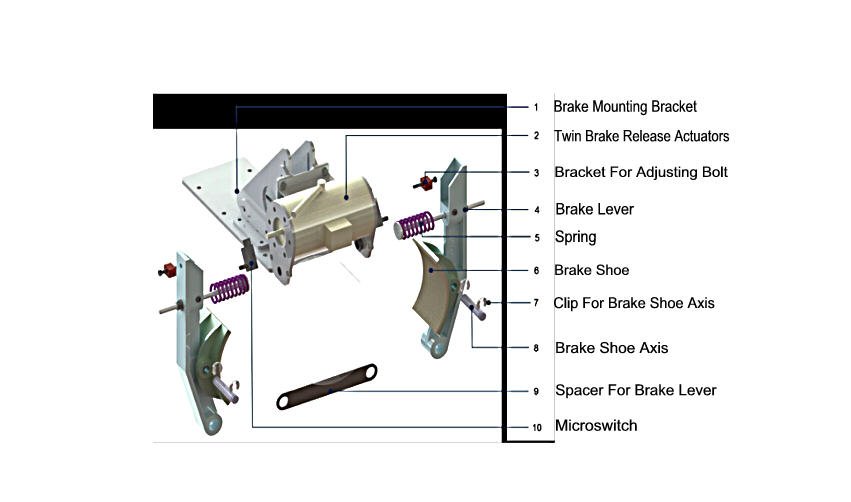
Safety is the paramount concern in vertical transportation. The braking system, including brake shoes, brake coils, and brake boards, must function flawlessly to prevent free-falls or uncontrolled movements. Regular inspection and timely replacement of elevator brakes are mandated by strict safety codes — such as ASME A17.1 in the United States and EN 81-20 in Europe. Failure to maintain these components can result in serious safety violations and costly regulatory penalties.
3. Door Mechanisms and Sensors
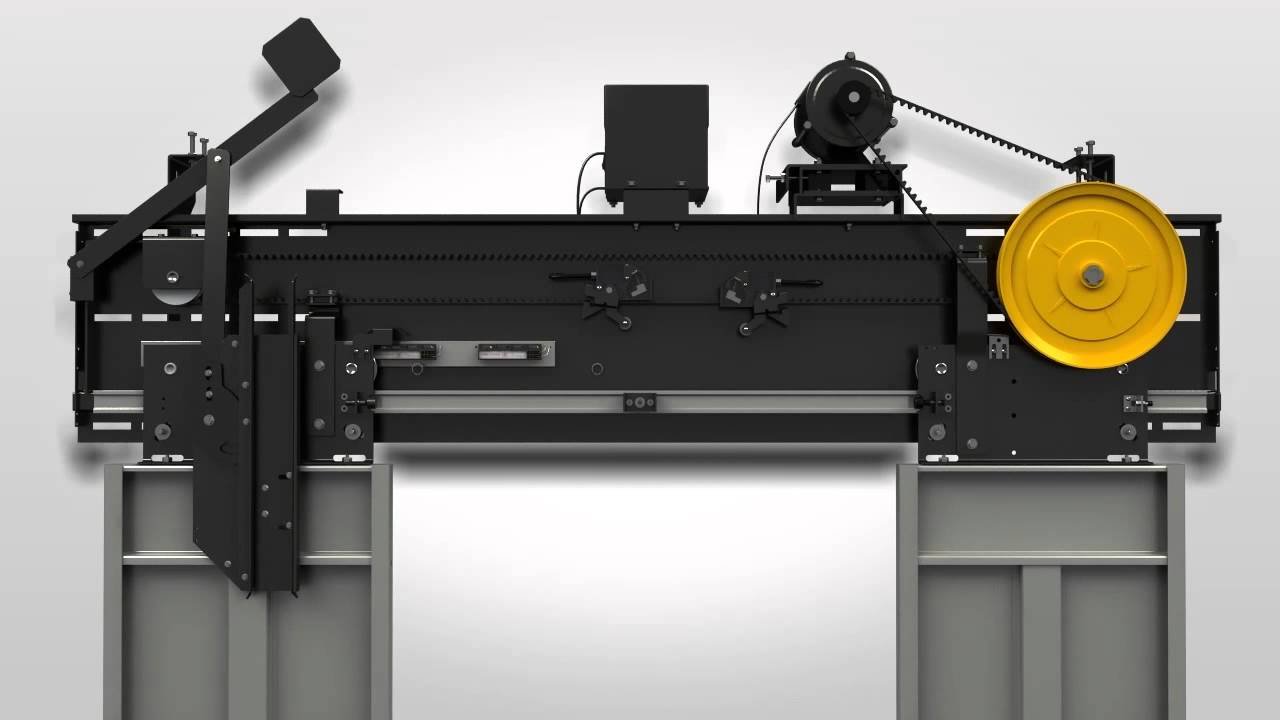
A significant percentage of elevator faults originate from door mechanisms. Components such as door operators, rollers, guide shoes, and infrared safety sensors experience immense wear and tear due to constant opening and closing cycles. Replacing aging mechanical safety edges with modern 2D or 3D infrared light curtains is a widely recommended modernization step that dramatically improves both safety and reliability.
4. Cables and Traction Systems
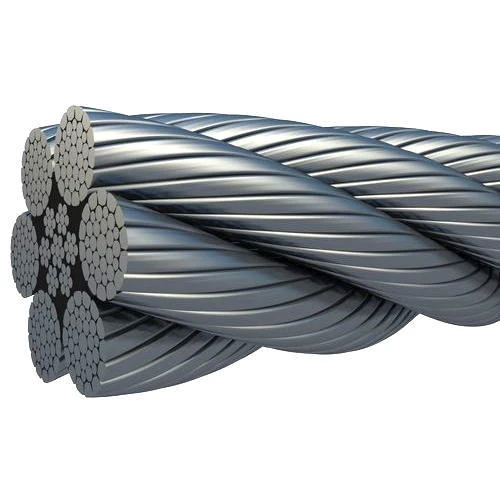
The steel wire ropes (cables) and traction sheaves bear the entire weight of the elevator cabin and counterweight. Over time, these cables stretch, develop fatigue, and wear down. Routine replacement of cables and traction components is vital to prevent catastrophic failures and ensure a smooth, vibration-free ride. Most safety codes require periodic rope testing and replacement based on usage cycles. According to the National Elevator Industry, Inc. (NEII), elevators in the US undergo more than 18 billion passenger trips annually, underscoring the critical importance of cable integrity.
5. Elevator Encoders and Sensors
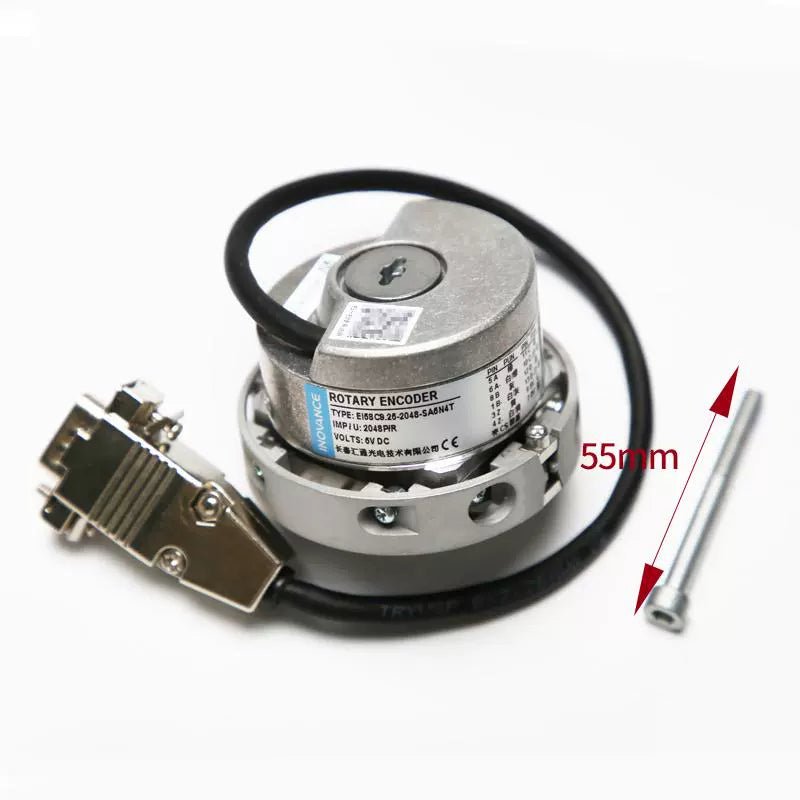
Encoders provide precise position feedback to the elevator controller, enabling accurate floor leveling and smooth acceleration. Faulty encoders are a common cause of rough rides, mis-leveling, and nuisance shutdowns. Similarly, limit switches, door sensors, and load-weighing devices require regular inspection and replacement to maintain optimal performance.
The Challenge of Obsolete Elevator Parts
One of the biggest challenges for building managers is dealing with obsolete elevator parts. As manufacturers innovate and release new proprietary technologies, older components are frequently discontinued, leaving facility teams scrambling for alternatives.
Why Do Parts Become Obsolete?
The elevator industry is undergoing rapid technological transformation. The shift towards Machine Room-Less (MRL) elevators and AC regenerative drives has rendered many older DC motors and relay controllers obsolete. Additionally, evolving safety standards — particularly in the EU and North America — often mandate that non-compliant parts be phased out. When elevator companies merge or restructure, they may also drop support for legacy product lines, leaving building owners without a reliable OEM source for critical components.
How to Future-Proof Your System
To avoid unexpected downtime, facility managers should conduct regular system audits with certified elevator consultants. Identifying parts that are nearing the end of their lifecycle allows for proactive sourcing and modernization planning, rather than reactive emergency repairs. Maintaining detailed service logs and monitoring repair frequency are also effective strategies for predicting component failures before they occur. The Building Owners and Managers Association (BOMA) recommends scheduling comprehensive elevator audits at least every five years.
OEM vs. Aftermarket Elevator Parts: Making the Right Choice
When sourcing elevator replacement parts, buyers typically face a choice between Original Equipment Manufacturer (OEM) parts and high-quality aftermarket alternatives. Understanding the trade-offs is essential for making cost-effective decisions without compromising safety.
| Factor | OEM Parts | Aftermarket Parts |
|---|---|---|
| Compatibility | Guaranteed fit | Designed to match OEM specs |
| Cost | Higher price | More cost-effective |
| Availability | May have long lead times | Often in stock immediately |
| Quality | Strict OEM standards | Varies by supplier |
| Best For | Safety-critical systems | Non-critical components |
For many building owners, a hybrid approach works best: using OEM parts for highly critical safety systems (such as governors, brakes, and safety circuits) and high-quality aftermarket parts for non-critical components (such as buttons, displays, and certain PCBs). This strategy optimizes both cost and safety.
How to Choose a Reliable Elevator Parts Supplier
Finding a trustworthy supplier is just as important as choosing the right part. When evaluating potential suppliers for the European and North American markets, the following criteria should be carefully assessed.
1. Extensive Inventory and Brand Compatibility
Look for suppliers that stock a wide range of parts compatible with major global brands such as OTIS, KONE, Hyundai, Mitsubishi, and Fermator. A diverse inventory reduces the need to manage multiple vendors and ensures you can source all required components from a single, reliable partner.
2. Quality Certifications
Ensure the supplier’s products meet international safety standards. CE marking (for Europe) and compliance with ASME A17.1 standards (for the US) are non-negotiable indicators of quality and regulatory compliance. ISO 9001 certification further demonstrates a supplier’s commitment to consistent quality management processes.
3. Technical Support and Customization
A great supplier does not just sell parts — they offer technical expertise. Suppliers that provide custom design services for components like elevator cables, displays, and control boards demonstrate a deep understanding of elevator engineering. This capability is particularly valuable when dealing with older or non-standard elevator systems that require bespoke solutions.
4. Fast and Reliable Global Shipping
Elevator downtime costs money and frustrates building occupants. Choose a supplier with a proven track record of fast, reliable international shipping to minimize operational disruptions. Suppliers with established logistics networks in Europe and North America can significantly reduce lead times compared to those without regional distribution capabilities.
Elevator Modernization: When Is It Time to Upgrade?
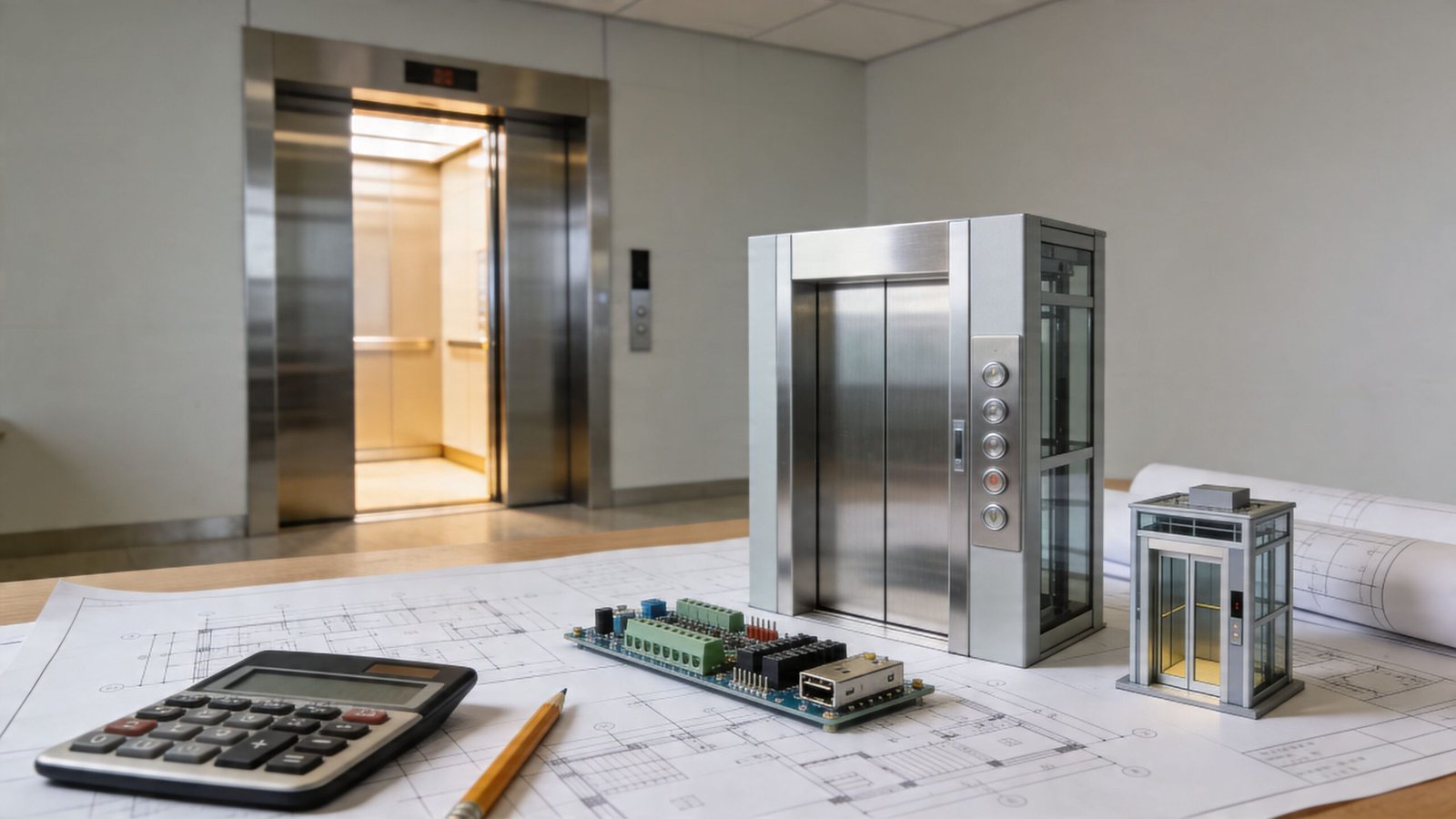
Beyond individual part replacement, there comes a point when a comprehensive elevator modernization project is the most cost-effective solution. Industry experts generally recommend considering full modernization when an elevator is 20 to 25 years old, when repair costs exceed 50% of the cost of a new installation, or when the system can no longer meet current safety codes.
Modernization projects typically involve upgrading the control system, drive unit, door operator, and cabin interior simultaneously. This holistic approach not only improves safety and energy efficiency but also significantly enhances the passenger experience — a key factor for commercial properties competing for premium tenants. According to a report by Elevator World, modernized elevators can reduce energy consumption by up to 40% compared to legacy systems.
Frequently Asked Questions About Elevator Replacement Parts
How long do elevator parts typically last?
The lifespan of elevator components varies significantly. Steel wire ropes typically last 5 to 10 years depending on usage intensity. Control boards and electronic components can last 15 to 20 years with proper maintenance. Mechanical components such as guide shoes and rollers may need replacement every 3 to 5 years in high-traffic buildings.
Can I use aftermarket parts without voiding my elevator warranty?
This depends on the terms of your service contract. Many elevator service companies require OEM parts to maintain warranty coverage. However, once a warranty period has expired, high-quality aftermarket parts from reputable suppliers are a perfectly viable and often more cost-effective option. Always consult with a certified elevator technician before making substitutions on safety-critical components.
How do I find parts for discontinued elevator models?
Specialized elevator parts suppliers who focus on legacy systems are your best resource. These suppliers often maintain extensive inventories of discontinued parts or can manufacture custom replacements. Providing the elevator’s model number, serial number, and detailed specifications will help suppliers identify the correct components quickly.
Conclusion: Your Partner in Elevator Modernization
Elevator modernization and maintenance are ongoing responsibilities that require strategic planning and reliable partnerships. By understanding the critical components of your system, staying ahead of part obsolescence, and carefully selecting between OEM and high-quality aftermarket parts, you can ensure the safety, longevity, and efficiency of your elevators for years to come.
At Nanjing Zhuye Elevator Parts Co., Ltd, we have been committed to providing top-tier elevator and escalator replacement parts for major global brands since 2012. With our extensive inventory of parts compatible with OTIS, KONE, Hyundai, Mitsubishi, and more — combined with our in-house R&D team for custom solutions — we are your trusted partner in keeping elevators running safely and efficiently. Explore our comprehensive catalog of elevator parts today to find exactly what you need for your next modernization project.