Description
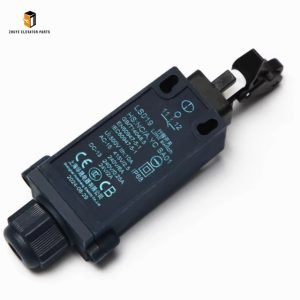
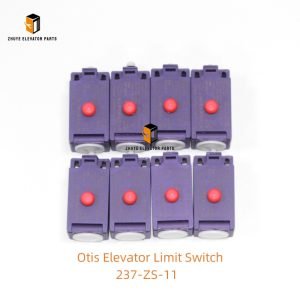
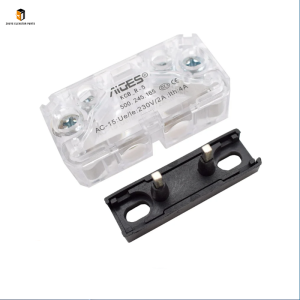
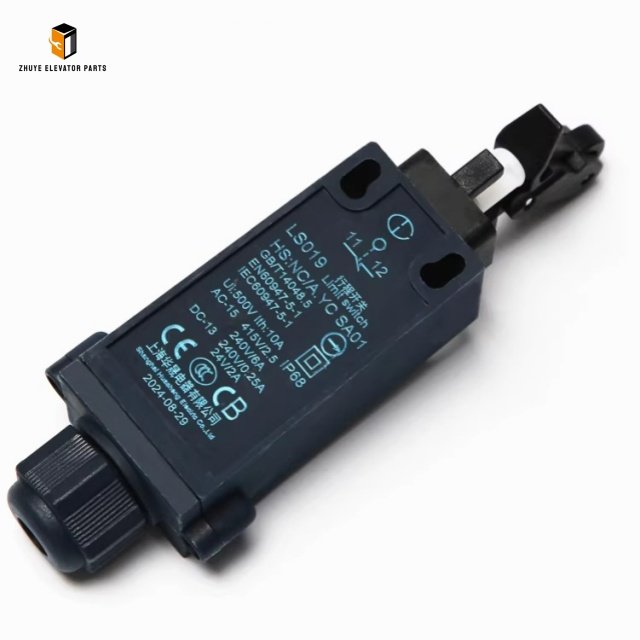
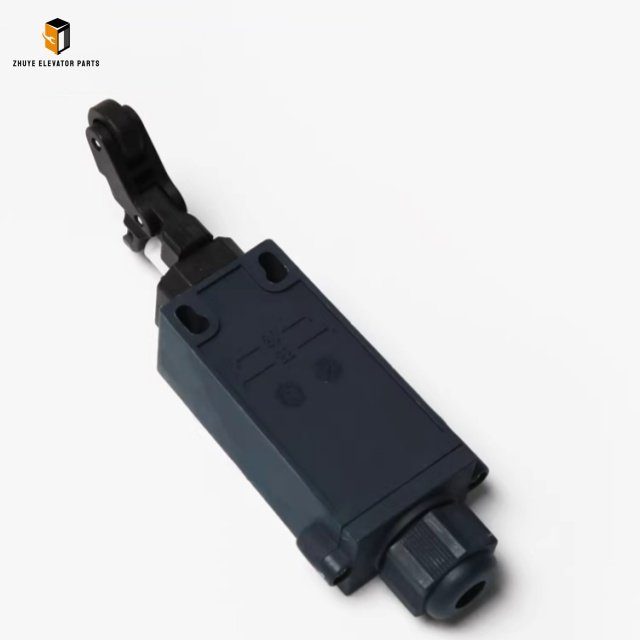
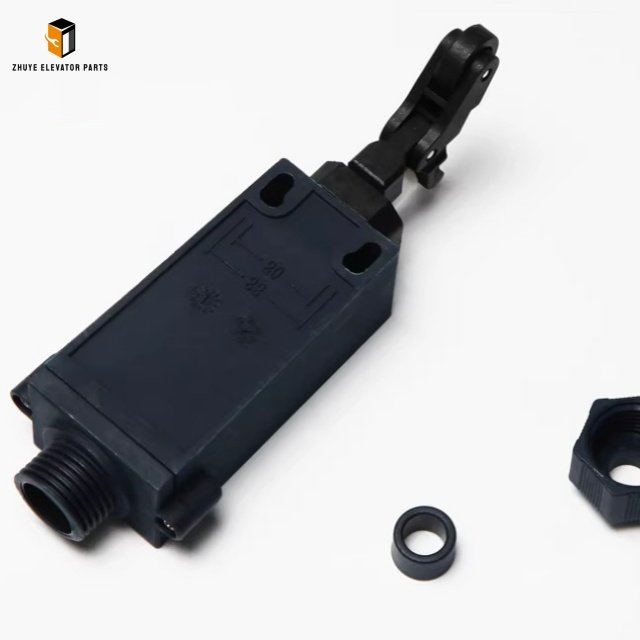
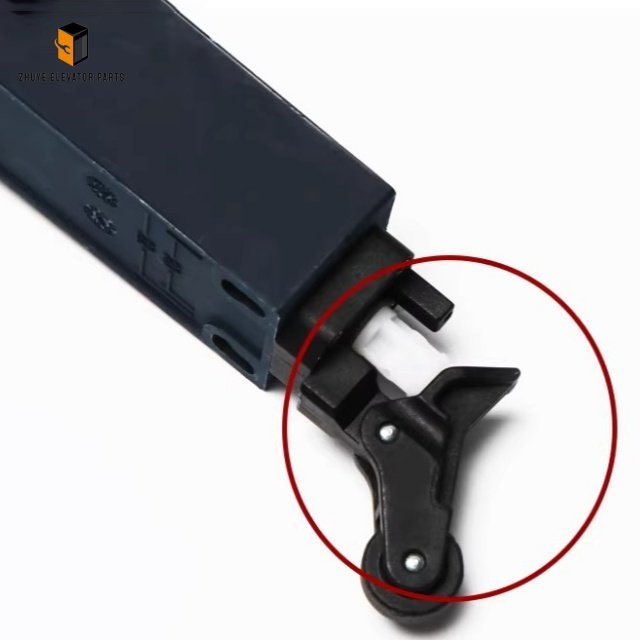
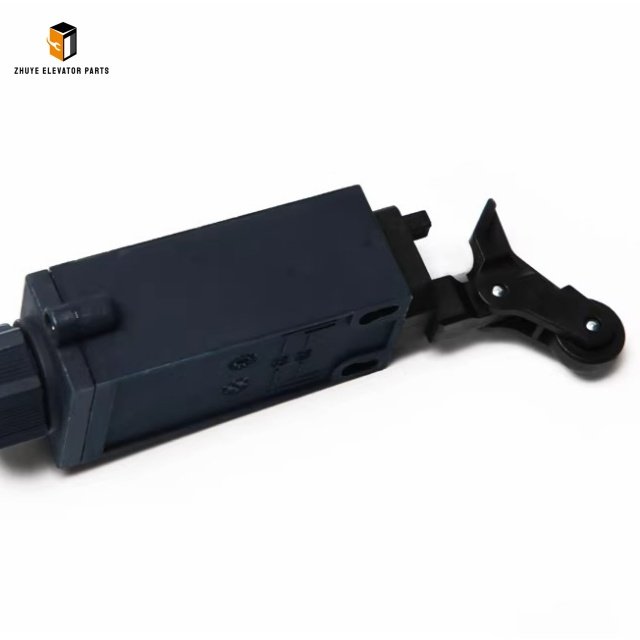
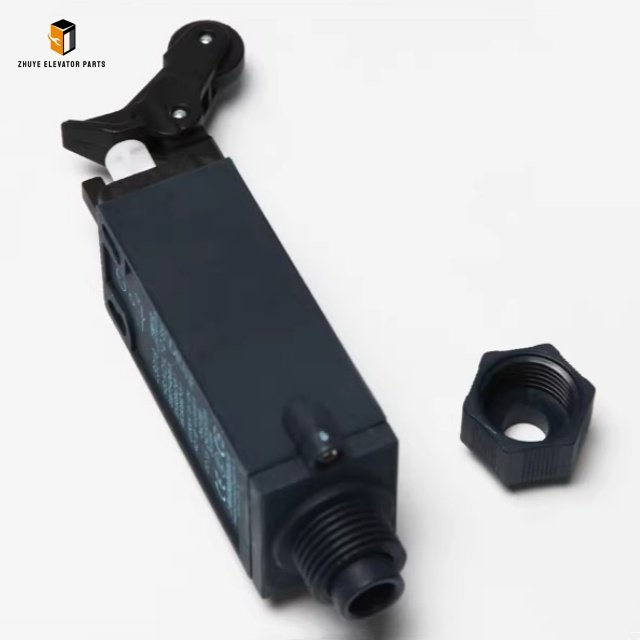
Elevator Limit Switch
|
Product Name |
Elevator Limit Switch |
| Model Number | LS019 |
|
Quality
|
Original.Brand New
|
|
Payment
|
T/T. Paypal. Western Union
|
|
Delivery
|
3-5 Working Days
|
|
Packaging
|
Packed by carton
|
Elevator Limit Switch LS019: Critical Safety Component from Nanjing Zhuye Elevatorparts
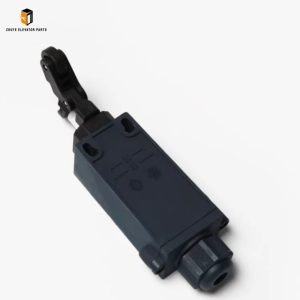
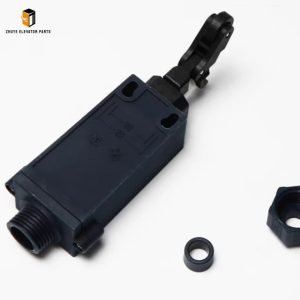
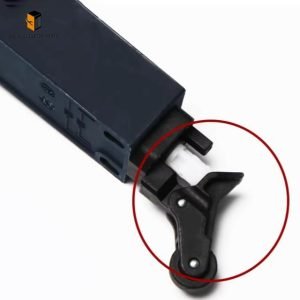
The elevator limit switch is a vital safety device in the elevator system, acting as the “second line of defense” against over-travel accidents such as car crashing into the top or bottom of the shaft. It triggers electrical signals by mechanical collision to control the elevator’s deceleration or stop, ensuring operational safety. The Elevator Limit Switch LS019, exclusively supplied by Nanjing Zhuye Elevatorparts, is designed for passenger and freight elevators. Compliant with international standards such as EN 81-1 and GB 7588.1-2020, this switch features a roller-type self-resetting structure with high mechanical strength (mechanical life ≥10 million cycles) and precise action (trigger deviation ≤2mm). It is widely compatible with mainstream elevator brands including Schindler, OTIS, KONE, and domestic well-known brands, applied in residential buildings, commercial complexes, airports, and industrial parks to provide reliable over-travel protection.
Nanjing Zhuye Elevatorparts adheres to stringent quality control standards, and the LS019 elevator limit switch is a testament to this commitment. Each switch undergoes rigorous pre-delivery testing, including contact electrical life verification (≥1 million cycles), high-low temperature (-25℃ to 85℃) resistance tests, anti-corrosion tests, and action precision calibration. The switch adopts a flame-retardant ABS shell with IPXXD protection level, effectively resisting dust, moisture, and oil erosion in the hoistway. Its built-in contacts use silver alloy materials to ensure stable electrical conductivity and anti-adhesion performance. The roller-type design reduces collision wear, and the elastic reset mechanism ensures timely reset after triggering, avoiding false signals. It also supports compatibility with various elevator control systems through NC/NO contact options.
Usage Guide for Elevator Limit Switch LS019
Proper installation, adjustment, and daily maintenance are vital to maximizing the safety performance and service life of the LS019 limit switch. Nanjing Zhuye Elevatorparts strongly recommends that only certified elevator maintenance technicians perform these operations to avoid safety hazards. Before installation, verify that the switch model (LS019) matches the elevator’s hoistway structure and control system. For detailed installation positions and adjustment standards, refer to the product manual provided by Nanjing Zhuye Elevatorparts or contact our technical support team for professional guidance. Note: Ensure the elevator is in maintenance mode and the main power is cut off during operation, and place a warning sign at the hoistway entrance.
1. Pre-Installation Preparation
First, cut off the elevator’s main power supply and lock the switch to prevent accidental startup. Prepare professional tools: torque wrench, screwdrivers, multimeter, tape measure, wire brush, and rubber buffer pads. Clean the installation position (on the car guide rail, 50-100mm beyond the upper/lower landing sill) to remove dust and rust. Carefully inspect the LS019 switch for external damage (e.g., cracked shell, stuck roller) and use a multimeter to test the contact on-off status. Check the matching striker plate on the car for deformation, ensuring it can reliably collide with the switch roller.
Fix the LS019 switch bracket on the guide rail with pressure guide plates (avoid welding), and adjust the bracket position to ensure the switch roller is perpendicular to the striker plate, with a 1-2mm gap to avoid rigid collision. Tighten the fixing bolts according to the torque specification (M12 thread: 15N·m) to prevent loosening from long-term vibration. Connect the switch wires to the elevator safety circuit—use NC contacts for the safety loop to ensure the circuit is cut off when triggered. After wiring, adjust the switch position: For the upper limit switch, ensure it is triggered before the car reaches the upper limit; for the lower limit switch, trigger it before the car reaches the lower limit. Install a rubber buffer pad at the collision point to reduce impact energy.
After installation, restore power and conduct debugging. Operate the elevator in maintenance mode (speed ≤0.63m/s) to run to the upper and lower ends, verifying that the LS019 switch is triggered accurately— the elevator should decelerate or stop immediately without jamming. Use a multimeter to test the contact action to ensure no poor contact. For daily maintenance, follow TSG T5002—2017 regulations: Inspect the switch monthly for loose brackets, stuck rollers, or damaged wires; clean the roller and striker plate with a wire brush to remove debris. Check the contact on-off status quarterly. For elevators in harsh environments (high humidity, heavy dust), increase the inspection frequency to twice a month and spray anti-rust agent on metal parts.
Replacement Cycle of Elevator Limit Switch LS019
The replacement cycle of the LS019 limit switch depends on usage frequency, operating environment, and maintenance quality. Under normal conditions—12-24 hours of daily operation, dry and clean hoistway environment, and regular maintenance—Nanjing Zhuye Elevatorparts recommends a replacement cycle of 5-7 years. This cycle is formulated based on extensive field test data and GB/T 35850.1-2018 standards, fully considering key factors such as contact wear, shell aging, and reduced action precision caused by long-term collision and environmental erosion.
For elevators in high-traffic areas (e.g., airports, subway stations with daily operation over 20 hours) or harsh environments (high humidity, heavy dust, frequent vibration), the replacement cycle should be shortened to 3-5 years. High-frequency collision accelerates roller and contact wear, and harsh environments easily cause shell corrosion and internal component failure. For low-usage elevators (e.g., villas, small offices with daily operation <8 hours), proper maintenance can extend the cycle to 7-8 years. However, Nanjing Zhuye Elevatorparts’ technicians should conduct semi-annual comprehensive inspections on switches over 6 years old, including action precision and contact conductivity tests.
Regardless of service life, replace the LS019 switch immediately if: The switch fails to trigger or reset normally, leading to abnormal elevator over-travel; contacts are stuck or corroded, causing circuit failure; the shell is severely cracked or deformed, affecting protection performance; the roller is worn or stuck, unable to collide reliably; the switch fails to pass annual safety inspections; it is incompatible with the upgraded elevator safety system. Use genuine LS019 switches from Nanjing Zhuye Elevatorparts to ensure safety performance and system compatibility.
The Elevator Limit Switch LS019 from Nanjing Zhuye Elevatorparts combines high safety, strong durability, and precise action, making it an ideal choice for elevator safety system maintenance and renovation. Backed by strict quality control, advanced structural design, and comprehensive after-sales service, it has gained trust from maintenance firms and property managers worldwide. Adhering to proper usage and maintenance guidelines ensures the elevator’s long-term safe operation. Nanjing Zhuye Elevatorparts provides 100% genuine LS019 switches, plus professional support including model matching, on-site installation guidance, and fault diagnosis. Choose Nanjing Zhuye Elevatorparts for reliable core safety components and tailored solutions for elevator over-travel protection needs.
Word count: About 800
2. Installation & Wiring
Align the ANCT-ES1-TF1 interface board with the mounting bracket inside the control cabinet and fix it with screws. Note that the tightening torque should be appropriate (20-30 N·m recommended) to avoid damaging the PCB substrate. According to the wiring diagram provided by Nanjing Zhuye Elevatorparts, connect the power wires (DC 24V) and signal wires (CAN bus lines) to the corresponding terminals of the elevator main controller and peripheral devices. The wire stripping length should be controlled at 6-8mm, and terminals must be tightened firmly to prevent poor contact. Separate power wires and signal wires to reduce electromagnetic interference, and use cable ties to organize the wires neatly. After wiring, install the protective cover and double-check for wrong or missing connections—incorrect wiring may cause protocol mismatch or communication failure.
MaintenancMaintenancMaintenancMaintenancMaintenancMaintenancMaintenancMaintenanc3. Daily Maintenance & Use
Replacement Cycle of Elevator Interface Board ANCT-ES1-TF1
The replacement cycle of the ANCT-ES1-TF1 interface board depends on usage frequency, operating environment, and maintenance quality. Under normal conditions—12-24 hours of daily operation, stable voltage, clean control cabinet environment, and regular maintenance—Nanjing Zhuye Elevatorparts recommends a replacement cycle of 6-8 years. This cycle is formulated based on extensive field test data and GB/T31821—2015 standards, fully considering key factors such as aging of electronic components, attenuation of communication performance, and incompatibility with upgraded control systems.
For elevators in high-traffic areas (e.g., airports, subway stations with daily operation over 20 hours) or harsh environments (high humidity, heavy dust, frequent voltage fluctuations), the replacement cycle should be shortened to 4-6 years. High-frequency data transmission accelerates component wear, and harsh environments easily cause circuit corrosion and signal interference. For low-usage elevators (e.g., villas, small offices with daily operation <8 hours), proper maintenance can extend the cycle to 8-10 years. However, Nanjing Zhuye Elevatorparts’ technicians should conduct semi-annual comprehensive inspections on boards over 7 years old, including communication performance and protocol compatibility tests.
Regardless of service life, replace the ANCT-ES1-TF1 board immediately if: Communication failures occur frequently and cannot be repaired; the board fails to transmit signals accurately, leading to abnormal operation of elevator components; indicator lights are dim, flickering, or non-functional; the board is severely corroded or cracked; the board is incompatible with the upgraded elevator control system; it fails to pass annual safety inspections. Use genuine boards from Nanjing Zhuye Elevatorparts to ensure protocol matching and system stability.
The Elevator Interface Board ANCT-ES1-TF1 from Nanjing Zhuye Elevatorparts combines high stability, strong compatibility, and long durability, making it an ideal choice for elevator maintenance and intelligent upgrading. Backed by strict quality control, advanced communication technology, and comprehensive after-sales service, it has gained trust from maintenance firms and property managers worldwide. Adhering to proper usage and maintenance guidelines ensures seamless signal transmission between elevator components. Nanjing Zhuye Elevatorparts provides 100% genuine ANCT-ES1-TF1 boards, plus professional support including model matching, on-site debugging guidance, and fault diagnosis. Choose Nanjing Zhuye Elevatorparts for reliable core components and tailored solutions for elevator communication system needs.