Monarch Elevator Door Controller NICE-D-A-SOP2: Usage, Replacement Cycle & Maintenance Guide
By Nanjing Zhuye Elevatorparts
Introduction
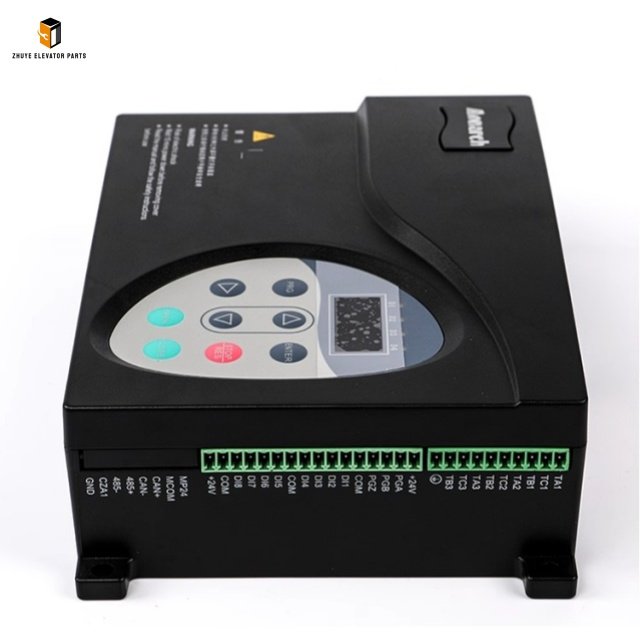
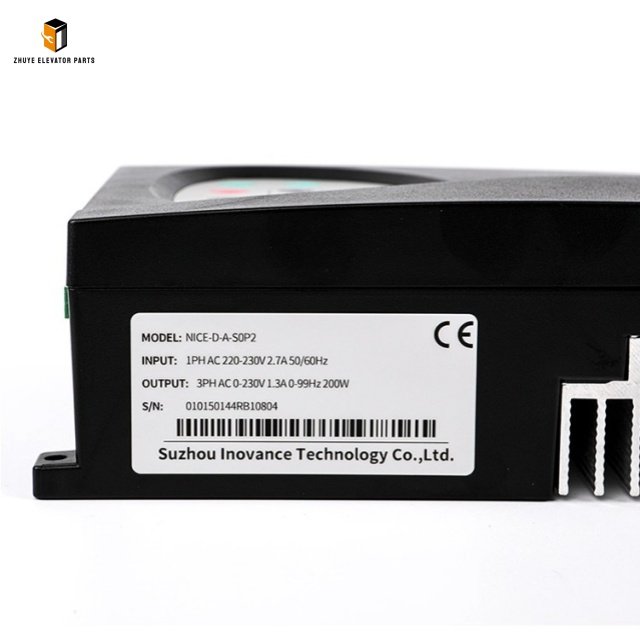
The NICE-D-A-SOP2 elevator door controller is a sophisticated device designed to ensure smooth, reliable, and safe operation of elevator doors. Manufactured by Nanjing Zhuye Elevatorparts, a globally recognized supplier of high-quality elevator components, this controller is engineered to enhance passenger experience and meet international safety standards. Below, we outline its proper usage, replacement cycle, and maintenance protocols to optimize performance and ensure passenger safety.

Key Features of NICE-D-A-SOP2
- Advanced Control Algorithms: Ensures precise door opening and closing, even under varying load conditions.
- Safety Compliance: Certified to EN 81-20/50, ASME A17.1, and other international safety standards.
- User-Friendly Interface: Equipped with an intuitive LCD display and easy-to-use control buttons.
- Robust Design: IP54-rated housing protects against dust and moisture, ensuring reliable operation in various environments.
- Smart Diagnostics: Built-in fault detection and logging for quick troubleshooting.
Usage Guidelines
1. Installation
- Positioning: Install the controller inside the elevator car control panel, ensuring it is securely mounted and accessible for maintenance.
- Wiring: Connect the power supply, door motor, and safety circuits according to the wiring diagram provided by Nanjing Zhuye Elevatorparts.
- Grounding: Ensure proper grounding to prevent electrical hazards and interference.
2. Configuration
- Parameter Setup: Use the onboard interface to configure door speed, acceleration, and safety parameters.
- Safety Checks: Verify that the emergency stop and door lock functions are operational before commissioning.
- Testing: Perform a series of door opening and closing tests to ensure smooth operation.
3. Operation
- Normal Function: The controller manages door movement, ensuring smooth and safe operation. Monitor the LCD display for any fault codes.
- Monitoring: Regularly check the controller for unusual noises or signs of overheating.
- Emergency Mode: In case of a fault, the controller will trigger an emergency stop and display a fault code. Follow the troubleshooting guide to resolve the issue.


Replacement Cycle & Maintenance
Replacement Interval
- Standard Usage: Replace every 5–7 years or after 1 million door cycles, whichever comes first.
- High-Traffic Environments (e.g., commercial buildings): Replace every 3–4 years.
- Early Warning Signs:
- Intermittent door failures
- Visible wear or damage to the controller housing
- Frequent fault codes related to door operation
Maintenance Checklist
- Monthly:
- Inspect the controller for dust accumulation and clean with compressed air.
- Check the LCD display for any error messages.
- Quarterly:
- Test the emergency stop and door lock functions.
- Verify that all connections are secure and free from corrosion.
- Annually:
- Perform a full functionality test, including door speed and safety features.
- Replace the controller if any internal components show signs of wear.
Why Choose Nanjing Zhuye Elevatorparts?
- Quality Assurance: All controllers undergo rigorous testing to ensure reliability and safety.
- Global Support: 24/7 technical assistance and fast shipping to 60+ countries.
- Cost Efficiency: Competitive pricing with bulk discounts for OEMs and maintenance companies.

Conclusion
The NICE-D-A-SOP2 elevator door controller is essential for ensuring smooth and safe door operation. By following the usage and maintenance guidelines above, facility managers and technicians can reduce downtime and ensure compliance with safety standards. For genuine parts and expert support, trust Nanjing Zhuye Elevatorparts—your partner in elevator safety and reliability.
Order now or request a free technical consultation via our website.