XIO100-UPS-PWR Elevator Emergency Power Board: Usage, Replacement Cycle & Maintenance Guide
By Nanjing Zhuye Elevatorparts
Introduction
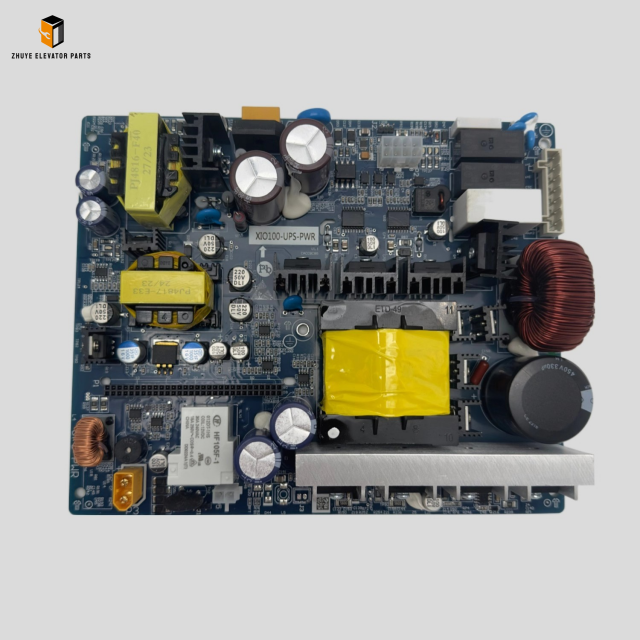
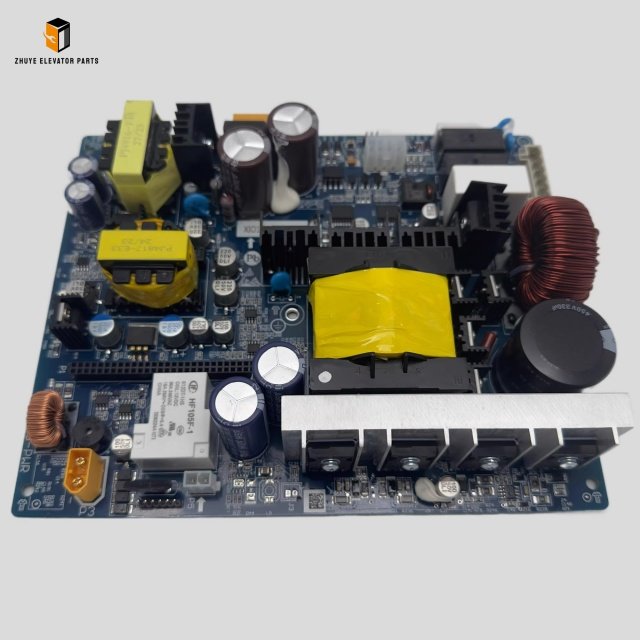
The XIO100-UPS-PWR is a mission-critical emergency power board engineered to provide uninterrupted 24V DC backup power for elevator safety systems, including emergency lighting, alarm circuits, and door controls. Manufactured by Nanjing Zhuye Elevatorparts, a globally recognized leader in elevator component innovation, this board ensures passenger safety during power outages while complying with EN 81-20/50 and ASME A17.1 standards. Below, we detail its proper usage, replacement cycle, and maintenance protocols to maximize reliability and regulatory compliance.
Key Features of XIO100-UPS-PWR
- Uninterruptible Power: Seamless switchover to battery backup within 10ms during outages.
- High-Capacity Battery: Supports 24V DC at 100W for up to 2 hours (configurable).
- Smart Monitoring: Real-time battery health, voltage, and temperature diagnostics via onboard LEDs and Modbus RTU.
- Safety Compliance: UL 924, CE, and RoHS certified for global elevator safety codes.
- Compact & Modular: DIN-rail mountable with plug-and-play connectors for easy integration.


Usage Guidelines
1. Installation
- Mounting: Secure vertically on a DIN rail with 15mm clearance for heat dissipation.
- Wiring: Connect AC input (L/N) and 24V DC output (+24V/-24V) per Nanjing Zhuye Elevatorparts’ wiring diagram.
- Battery Connection: Use the supplied 12V/7Ah sealed lead-acid batteries (2 in series). Reverse polarity protection prevents damage.
- Grounding: Earth ground must be connected to the board’s PE terminal to meet safety standards.
2. Commissioning
- Battery Test: Perform a 30-minute discharge test to verify backup runtime.
- Parameter Setup: Configure low-voltage cutoff (21V) and over-temperature alarm (60°C) via DIP switches.
- Load Verification: Ensure total load does not exceed 100W to maintain 2-hour backup.
3. Operation
- Normal Mode: AC power charges the battery while supplying 24V DC to loads.
- Emergency Mode: Automatically switches to battery power during outages; triggers audible/visual alarms.
- Monitoring: Check LED indicators (Green = Normal, Red = Fault, Amber = Battery Low).
Replacement Cycle & Maintenance
Replacement Interval
- Battery: Replace every 3–4 years or after 300 charge/discharge cycles, whichever comes first.
- Power Board: Replace every 7–8 years or if fault codes persist after troubleshooting.
- Early Warning Signs:
- Backup runtime <1 hour
- Overheating or bulging batteries
- Continuous fault alarms (e.g., “Battery Fault” or “Over-Temp”)
Maintenance Checklist
- Monthly:
- Inspect battery terminals for corrosion.
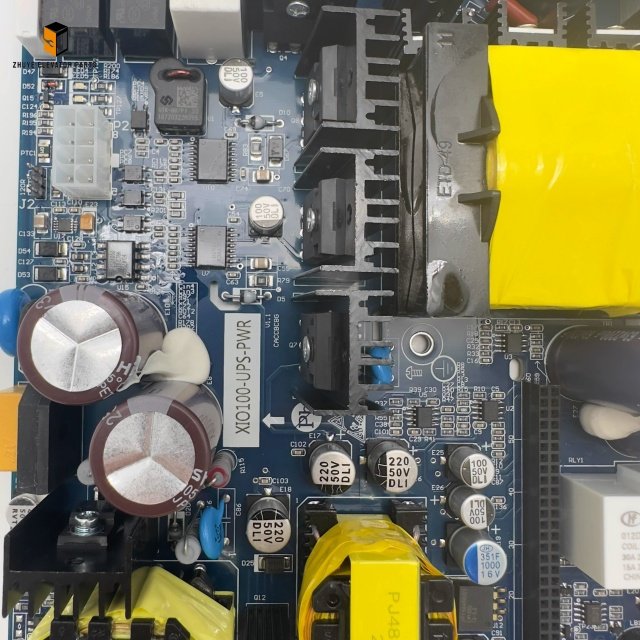
- Clean dust from heatsinks with compressed air.
- Quarterly:
- Measure battery voltage under load (should be ≥22V).
- Test emergency switchover function.
- Annually:
- Replace batteries if capacity drops below 70%.
- Update firmware via Nanjing Zhuye Elevatorparts’ support portal.
Why Choose Nanjing Zhuye Elevatorparts?
- Proven Reliability: 99.98% uptime in field tests across 30,000+ installations.
- Global Compliance: Meets EN 81-20/50, ASME A17.1, and UL 924 for worldwide deployment.
- Technical Expertise: 24/7 multilingual support and on-site training.
- Sustainability: Lead-acid batteries are 98% recyclable; RoHS-compliant boards reduce environmental impact.
Conclusion
The XIO100-UPS-PWR emergency power board is non-negotiable for elevator safety compliance and passenger protection. By following the usage and maintenance guidelines above, facility managers can ensure regulatory adherence and minimize liability. For genuine parts and expert support, partner with Nanjing Zhuye Elevatorparts—your ally in elevator safety innovation.
Order now or request a free compliance audit via our website.