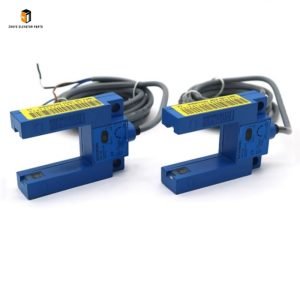
Description
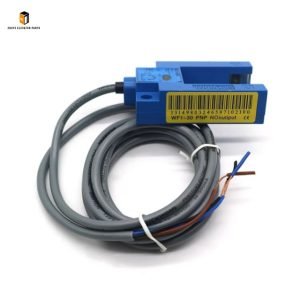
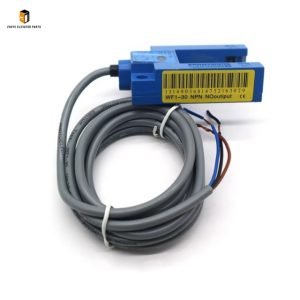
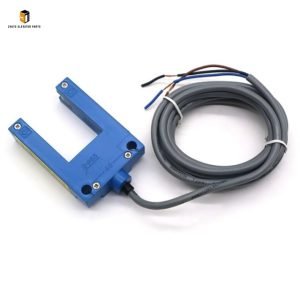
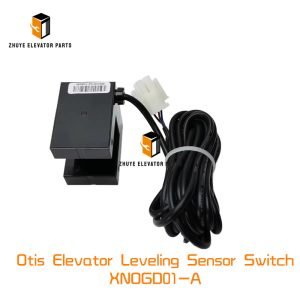
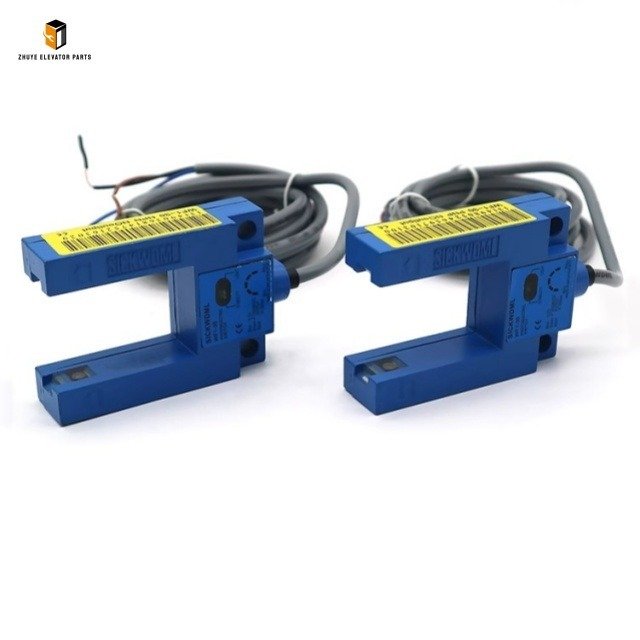
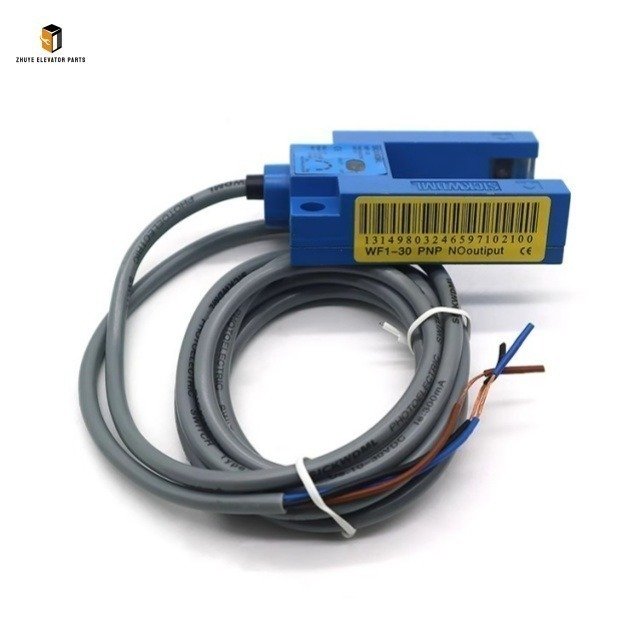
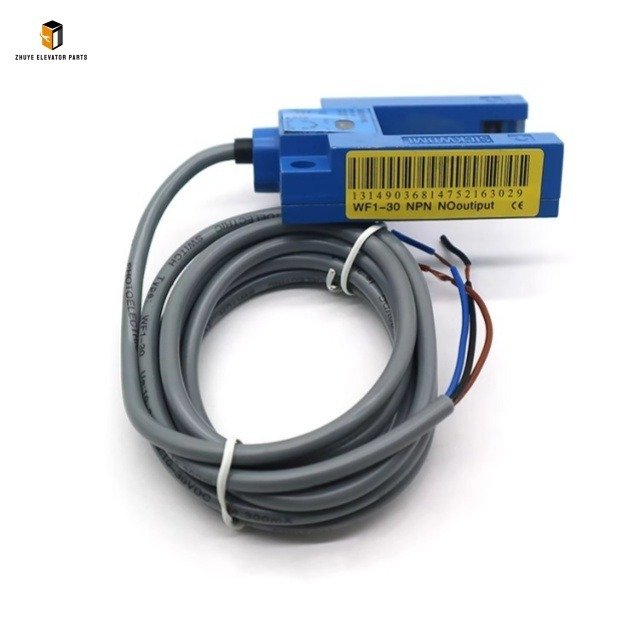
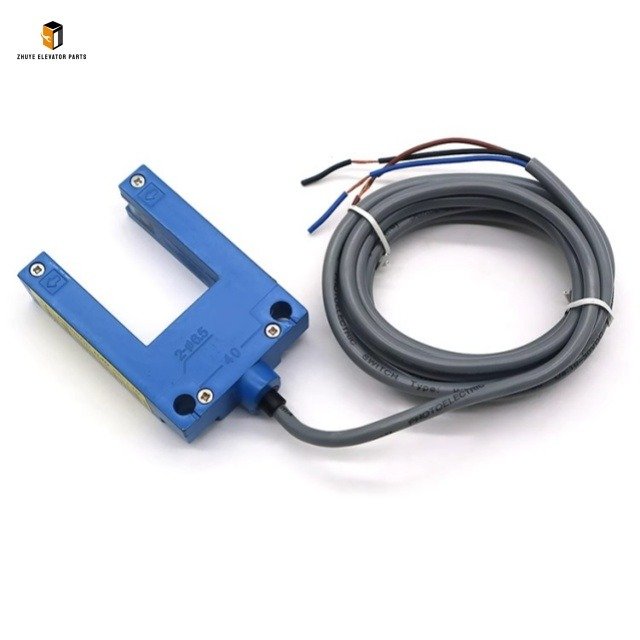
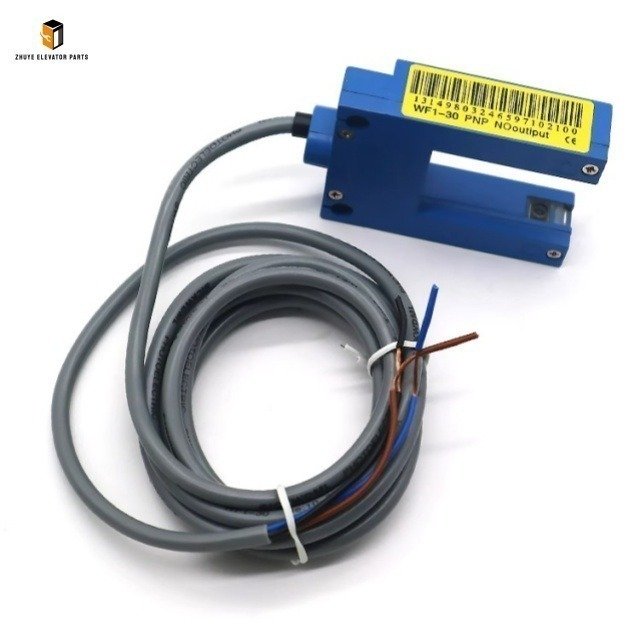
Elevator leveling sensor WF1-30 PNP/NPN Brief Introduction
|
Product Name |
Elevator leveling sensor |
| Model Number | WF1-30 PNP
WF1-30 NPN |
|
Quality
|
Original.Brand New
|
|
Payment
|
T/T. Paypal. Western Union
|
|
Delivery
|
3-5 Working Days
|
|
Packaging
|
Packed by carton
|
WF1-30 PNP/NPN Elevator Leveling Sensor: Usage Guide & Replacement Cycle
The elevator leveling sensor is a core component that ensures the elevator car accurately aligns with the floor landing, directly affecting ride comfort and safety. The WF1-30 PNP/NPN elevator leveling sensor, a high-precision offering from Nanjing Zhuye Elevator Parts, supports both PNP and NPN output types to match diverse elevator control systems, featuring stable detection performance and strong anti-interference capability. Nanjing Zhuye Elevator Parts, a professional manufacturer and supplier of elevator components, has earned global recognition by providing rigorously tested sensors like the WF1-30, which comply with strict industry standards. This article details the correct installation, usage methods, and scientific replacement cycle of this sensor to help maintenance professionals optimize elevator operation.
Proper installation and wiring are fundamental to the reliable performance of the WF1-30 sensor. Before installation, strictly follow safety protocols: cut off the elevator’s main power supply and place a “No Operation” warning sign. First, confirm the installation position—typically on the elevator car frame, aligned with the leveling plate installed on each floor. Ensure the sensor’s detection surface is parallel to the leveling plate, with a standard gap of 5-15mm (adjust according to elevator model requirements). Fix the sensor firmly using corrosion-resistant screws to prevent displacement during elevator operation, which could cause leveling inaccuracies.
Wiring configuration is critical, and the WF1-30’s dual PNP/NPN compatibility requires precise operation. First, confirm the elevator control system’s input type (PNP or NPN) to avoid signal failure. For PNP output: connect the brown wire to DC 24V power supply, blue wire to 0V, and black wire to the PLC’s source-type input terminal (common terminal 1M connected to 24V-). For NPN output: connect the brown wire to DC 24V, blue wire to 0V, and black wire to the PLC’s sink-type input terminal (common terminal 1M connected to 24V+). Refer to the wiring diagram provided by Nanjing Zhuye Elevator Parts to ensure correct polarity—incorrect wiring will result in the sensor indicator lighting up but the PLC failing to receive signals. After wiring, secure the cables with cable ties to avoid wear from vibration.
Post-installation debugging ensures accurate leveling. Power on the elevator system and check the sensor’s indicator light: a steady green light indicates normal power supply, while a flashing light signals detection of the leveling plate. Operate the elevator to run through all floors, verifying that the car stops with a floor deviation of no more than ±3mm. If deviation occurs, adjust the sensor’s position or detection gap. During daily use, regularly inspect the sensor’s surface for dust, oil, or debris—accumulated contaminants can interfere with detection accuracy, as noted in common maintenance records. Clean the detection surface with a dry cloth weekly to maintain sensitivity.
The replacement cycle of the WF1-30 sensor is determined by environmental conditions, usage frequency, and performance degradation. Based on industry practices and Nanjing Zhuye Elevator Parts’ technical recommendations, the general replacement cycle is 3-4 years under normal operating conditions (residential or office buildings with 8-12 hours of daily operation). For elevators in harsh environments—such as high humidity, large temperature fluctuations, or dusty locations (e.g., construction sites or industrial areas)—the cycle should be shortened to 2-3 years. Frequent start-stop operations in high-traffic public places (malls, stations) also accelerate component wear, requiring replacement every 2.5-3 years.
Immediate replacement is necessary if the following abnormalities occur: 1) Consistent leveling deviation exceeding ±5mm, which cannot be resolved by adjusting the sensor position; 2) Intermittent failure to detect the leveling plate, causing the elevator to overshoot or undershoot floors; 3) Unstable signal output (fluctuating indicator light) or no signal despite normal power supply; 4) Physical damage to the sensor casing, cracked detection surface, or corroded wiring terminals. When replacing, always choose genuine WF1-30 sensors from Nanjing Zhuye Elevator Parts to ensure compatibility with the elevator control system and avoid safety risks from inferior counterfeits.
Scientific maintenance can extend the sensor’s service life. Conduct comprehensive inspections every 3 months: check wiring connections for tightness and signs of oxidation, and verify the detection gap. Every 6 months, use a multimeter to test signal output stability—PNP sensors should output high-level (24V) when triggered, while NPN sensors output low-level (0V). Store spare sensors in a dry, ventilated environment provided by Nanjing Zhuye Elevator Parts’ packaging to prevent moisture damage. Avoid direct contact with corrosive substances or heavy impact during storage and transportation.
The WF1-30 PNP/NPN elevator leveling sensor is indispensable for ensuring precise and safe elevator operation. By following correct installation and usage guidelines, conducting regular maintenance, and replacing aging sensors with genuine Nanjing Zhuye Elevator Parts products, you can significantly reduce leveling failures and enhance passenger experience. For more technical details, wiring support, or to purchase genuine WF1-30 sensors, contact Nanjing Zhuye Elevator Parts’ professional team for reliable solutions.