

Description
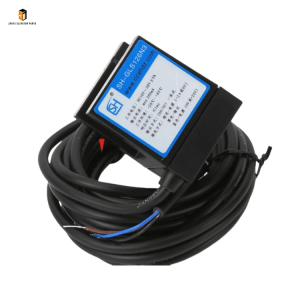
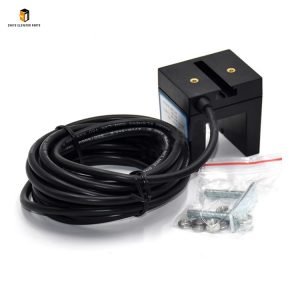
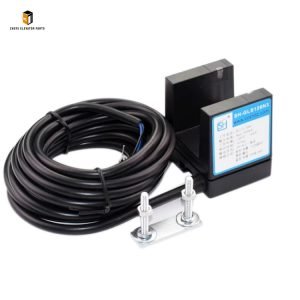
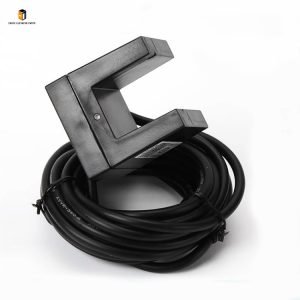
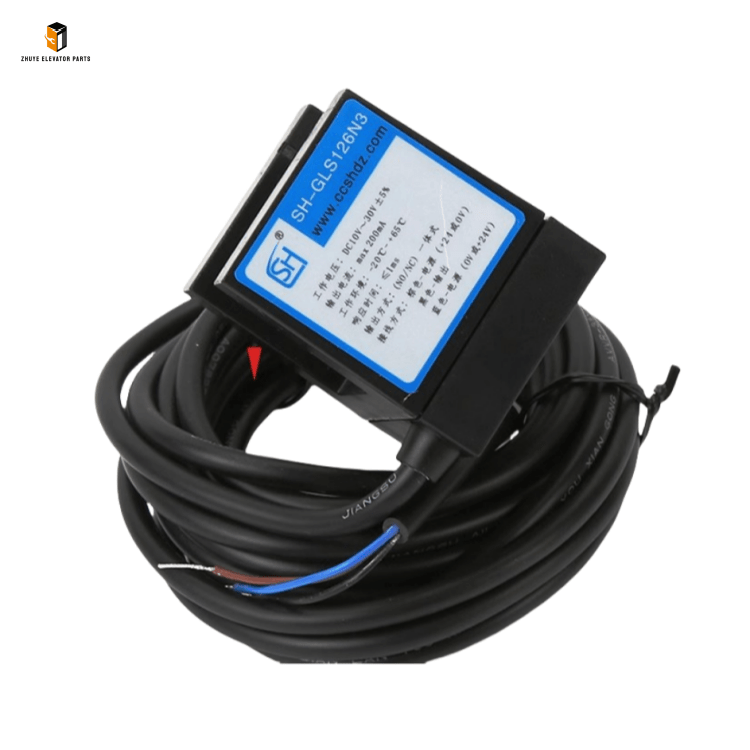
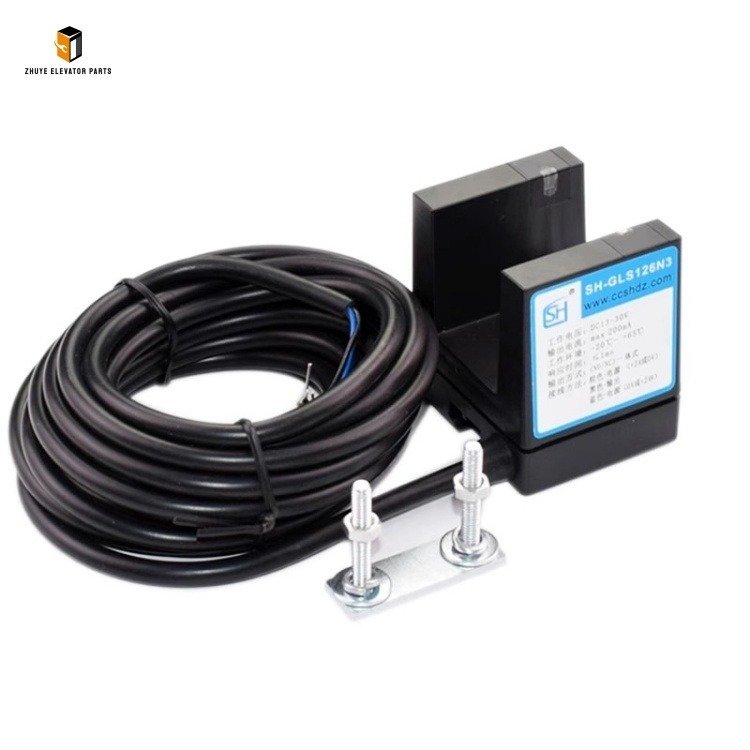
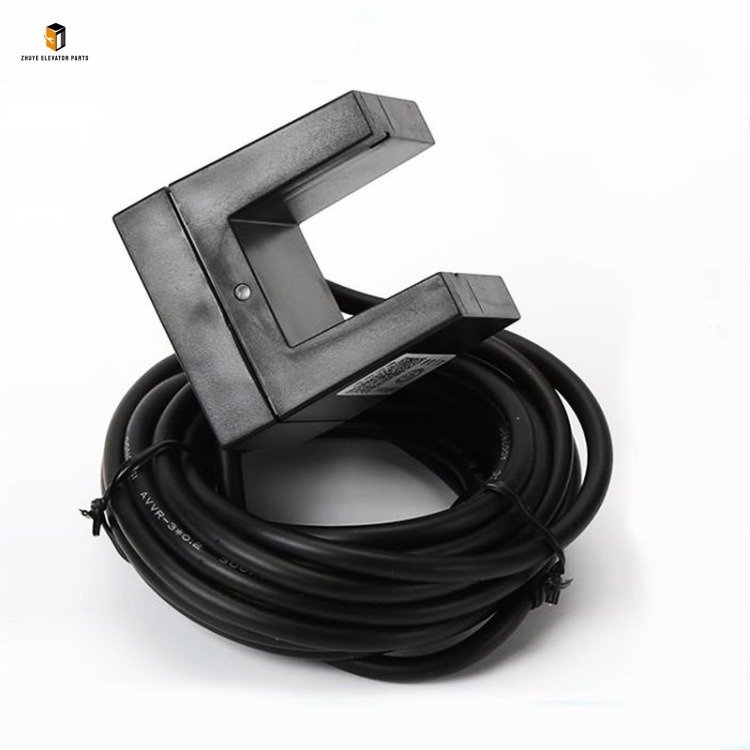
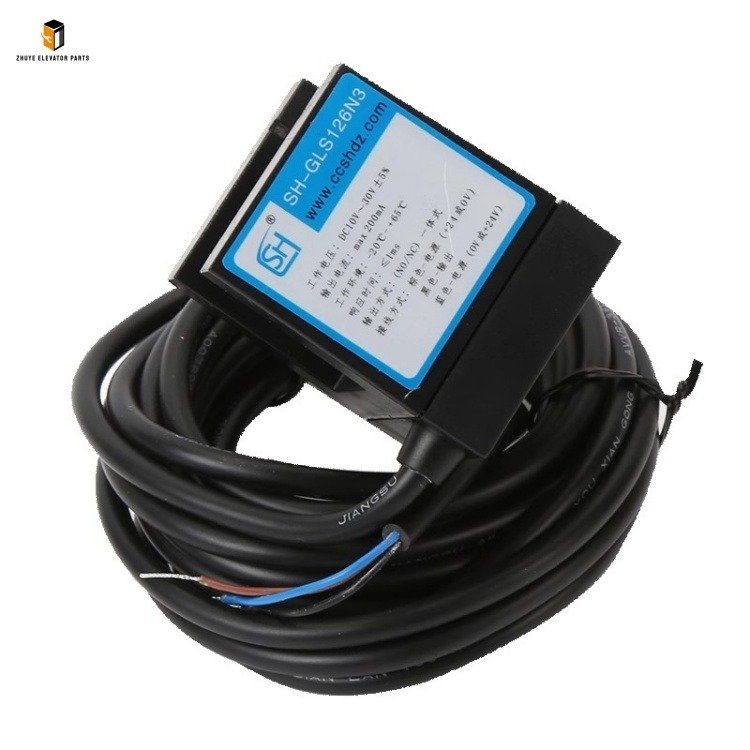
Elevator leveling sensor SH-GLS126N3 WECO-K2 Brief Introduction
|
Product Name |
Elevator leveling sensor |
| Model Number | SH-GLS126N3
WECO-K2 |
|
Quality
|
Original.Brand New
|
|
Payment
|
T/T. Paypal. Western Union
|
|
Delivery
|
3-5 Working Days
|
|
Packaging
|
Packed by carton
|
Elevator Leveling Sensor SH-GLS126N3 WECO-K2 – Nanjing Zhuye Elevatorparts
The elevator leveling sensor is the “eye” of the elevator’s position control system, responsible for accurately detecting the elevator car’s position and transmitting signals to the controller to ensure precise alignment between the car floor and the landing floor. The Elevator Leveling Sensor SH-GLS126N3 WECO-K2 launched by Nanjing Zhuye Elevatorparts is a high-precision photoelectric sensing device tailored for mainstream elevator systems, widely compatible with renowned brands such as Schindler, OTIS, and KONE. It integrates advanced optical sensing technology and anti-interference design, ensuring stable performance even in harsh shaft environments with high humidity, dust, or electromagnetic interference. This sensor strictly complies with international elevator safety standards (EN 81-20, GB 7588) and has become a preferred choice for global elevator maintenance teams and manufacturers due to its reliable accuracy and long service life.
Nanjing Zhuye Elevatorparts adheres to the “quality first, safety-oriented” principle, implementing strict quality control throughout the production process of the SH-GLS126N3 WECO-K2 elevator leveling sensor. Each unit undergoes rigorous testing, including detection accuracy verification, response speed testing, anti-interference performance assessment, and high-temperature resistance inspection. The sensor adopts high-quality optical components and sealed metal casings, effectively preventing dust and moisture intrusion with an IP rating of IP54. Its response time is less than 2ms, ensuring the elevator controller receives position signals in real time to achieve accurate leveling within ±10mm, which meets the strict requirements of elevator safety regulations. The internal circuit board is equipped with a special filtering module to resist electromagnetic interference from elevator motors and frequency converters, ensuring stable signal transmission.
Usage Guide for Elevator Leveling Sensor SH-GLS126N3 WECO-K2
Correct installation, debugging, and daily maintenance of the SH-GLS126N3 WECO-K2 leveling sensor are crucial to ensuring elevator operation safety and passenger comfort. Nanjing Zhuye Elevatorparts strongly recommends that only certified elevator maintenance technicians perform related operations, as improper installation or adjustment may lead to leveling deviations, door opening failures, or even safety accidents.
1. Pre-Installation Preparation
First, confirm that the SH-GLS126N3 WECO-K2 sensor matches the elevator model (check parameters such as voltage, signal type, and installation dimensions). Consult Nanjing Zhuye Elevatorparts’ technical team immediately if there is any uncertainty about compatibility. Then, cut off the elevator’s main power supply and control system power supply, lock the switch, and place a “Maintenance in Progress” warning sign at the elevator entrance. Fix the elevator car at a flat floor position and access the car top safely. Finally, prepare professional tools including a screwdriver, wrench, multimeter, feeler gauge, and anti-static gloves, and clean the sensor installation area (on the car top) to remove dust, debris, and oil stains.
2. Installation & Debugging
Remove the old sensor from the car top bracket, and take photos to record the wiring direction and terminal connections for future reference. Take the new SH-GLS126N3 WECO-K2 sensor from Nanjing Zhuye Elevatorparts, install it on the dedicated bracket, and fix it firmly with screws (the torque should comply with Nanjing Zhuye’s specifications to avoid damaging the sensor). Connect the sensor’s wires to the corresponding terminals of the elevator controller strictly according to the recorded photos and wiring manual, ensuring firm connections and correct polarity. The key step is to adjust the gap: use a feeler gauge to set the distance between the sensor and the leveling plate to 3-5mm, and ensure the plate is centered with the sensor to avoid signal deviation. After adjustment, switch on the power, enter the elevator’s inspection mode, and run the car at low speed to test: the sensor should send stable signals when passing each floor, and the elevator should stop with a leveling deviation within ±10mm. Use a multimeter to detect signal continuity and ensure no intermittent disconnection occurs.
3. Daily Maintenance & Inspection
According to the “Elevator Maintenance Rules” (TSG T5002-2017) and Nanjing Zhuye’s recommendations, the SH-GLS126N3 WECO-K2 leveling sensor should be inspected every 15 days and undergo professional comprehensive testing annually. For daily maintenance: Clean the sensor’s optical lens and surface with a dry, lint-free cloth to remove dust and oil stains—avoid using chemical cleaners that may damage the lens. Check the sensor’s fixing screws and wiring terminals for looseness; re-tighten if necessary. Verify the gap between the sensor and the leveling plate monthly, and adjust immediately if deviation exceeds 5mm. If the elevator reports leveling faults (e.g., fault codes 27/28 for upper/lower leveling sensor failure), first check the sensor’s signal transmission and clean or adjust it; replace the sensor if the fault persists.
Replacement Cycle of Elevator Leveling Sensor SH-GLS126N3 WECO-K2
The replacement cycle of the SH-GLS126N3 WECO-K2 elevator leveling sensor is determined by operating frequency and working environment. Under normal conditions (elevator daily operation 12-24 hours, dry and clean shaft environment, stable voltage), Nanjing Zhuye Elevatorparts recommends a replacement cycle of 3-5 years. This cycle is based on long-term field data, fully considering the attenuation of optical components, wear of mechanical structures, and degradation of electrical performance over time.
For elevators in high-traffic areas (e.g., large shopping malls, airports with frequent start-stop) or harsh environments (high humidity, heavy dust, large temperature fluctuations, or strong electromagnetic interference), the replacement cycle should be shortened to 2-3 years. High-frequency operation accelerates component wear, while harsh environments easily cause sensor corrosion and signal interference. For low-usage elevators (e.g., villa elevators, small office buildings with daily operation time <8 hours) in stable environments, the cycle can be extended to 5-6 years, but annual professional testing by Nanjing Zhuye’s technicians is required to confirm that detection accuracy and signal stability meet safety standards.
Replace the SH-GLS126N3 WECO-K2 sensor immediately if any of the following issues occur, regardless of its service life: Persistent leveling deviation exceeding ±10mm even after adjustment; frequent signal interruption or false triggering leading to elevator start-stop failures; severe damage to the sensor shell, lens scratches, or water ingress; failure to pass the annual safety test; repeated fault alarms that cannot be resolved by maintenance. Timely replacement is critical to avoid safety hazards such as elevator overshooting or incorrect door opening.
The Elevator Leveling Sensor SH-GLS126N3 WECO-K2 from Nanjing Zhuye Elevatorparts integrates high precision, durability, and strong compatibility, providing a critical guarantee for elevator leveling accuracy and operation safety. By following the correct usage, maintenance, and replacement guidelines, you can effectively reduce leveling-related faults and improve passenger riding experience. Choosing Nanjing Zhuye Elevatorparts means you get 100% authentic SH-GLS126N3 WECO-K2 sensors, as well as professional services including model matching, on-site debugging guidance, and timely after-sales support. Trust Nanjing Zhuye Elevatorparts for the safe and stable operation of your elevator.