

Description
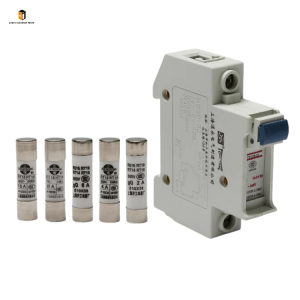
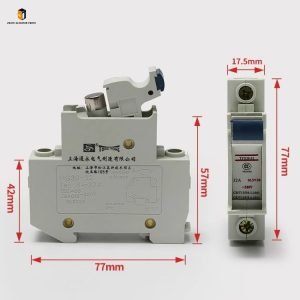
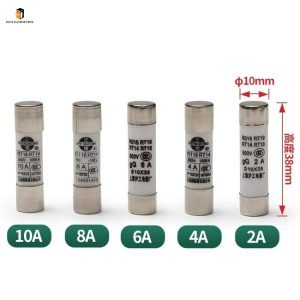
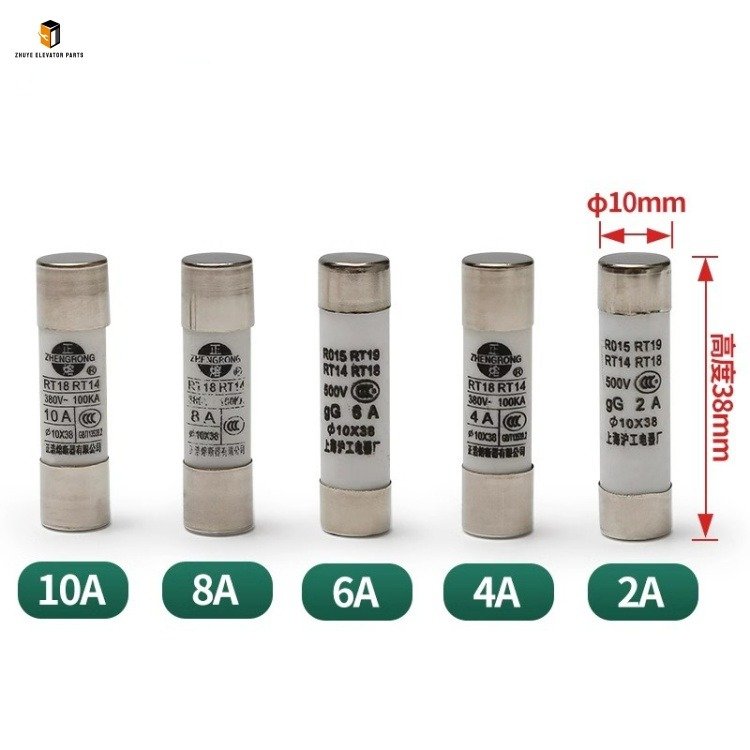
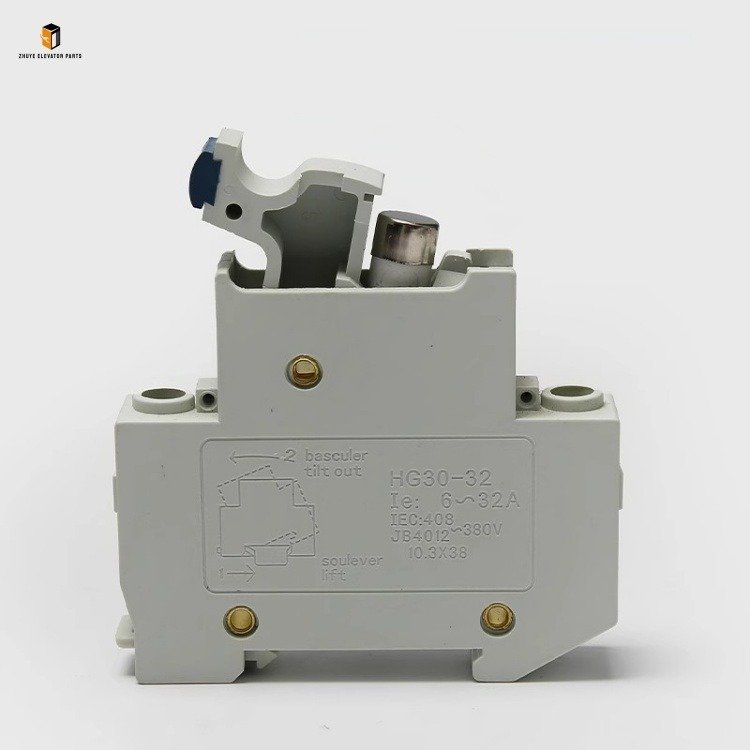
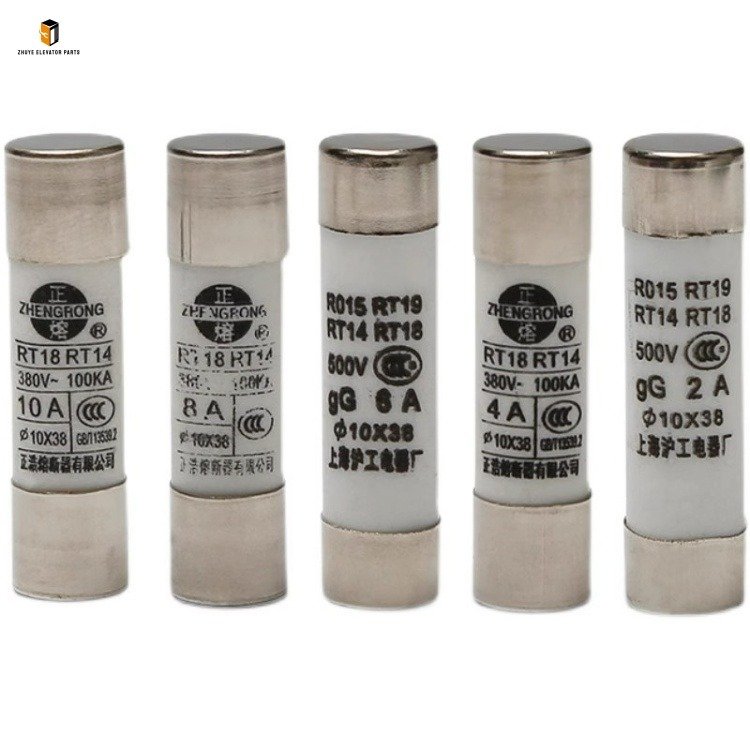
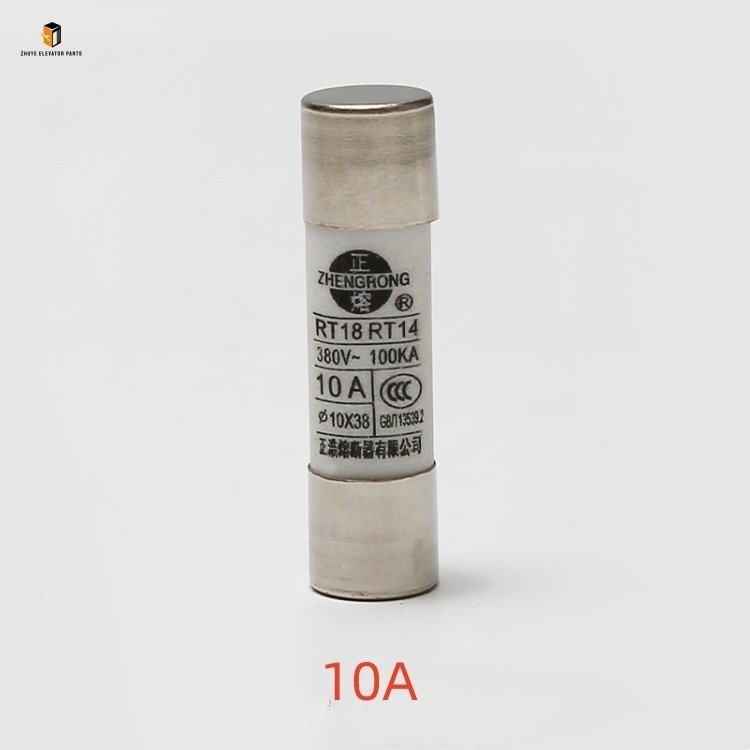
Elevator fuse 2A/4A/6A/8A/10A HG30-32 Brief Introduction
|
Product Name |
Elevator fuse |
| Model Number | 2A
4A 6A 8A 10A HG30-32 |
|
Quality
|
Original.Brand New
|
|
Payment
|
T/T. Paypal. Western Union
|
|
Delivery
|
3-5 Working Days
|
|
Packaging
|
Packed by carton
|
Elevator Fuse HG30-32 3 (2A/4A/6A/8A/10A): Circuit Protection Core from Nanjing Zhuye Elevatorparts
Elevator Fuse HG30-32 3, available in 2A, 4A, 6A, 8A, and 10A current ratings, is a critical overcurrent protection component for elevator electrical systems. Specifically designed for elevator control circuits, power supply modules, and door operator systems, it interrupts the circuit instantly when overcurrent or short-circuit faults occur—preventing damage to core electrical components (such as controllers, motors, and sensors) and avoiding fire hazards caused by circuit overheating. Tailored to the current characteristics of different elevator circuits, the multi-spec HG30-32 3 fuse ensures precise protection without affecting normal circuit operation. Compatible with mainstream elevator control systems (including Schindler, OTIS, and KONE), these fuses are widely applicable to residential, commercial, and industrial elevators, serving as the first line of defense for elevator electrical system safety. Exclusively supplied by Nanjing Zhuye Elevatorparts, a professional provider of high-quality elevator electrical components, the Elevator Fuse HG30-32 3 (2A/4A/6A/8A/10A) fully complies with international electrical safety standards (IEC 60269, GB 13539) and elevator industry specifications. Manufactured with premium ceramic tube materials and high-purity silver alloy contacts, it features excellent breaking capacity, fast response speed, and stable performance, winning trust from global elevator maintenance teams and manufacturers.
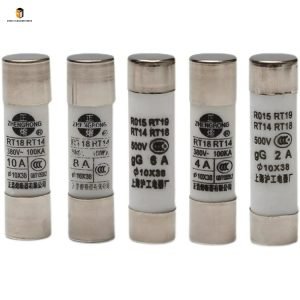
Nanjing Zhuye Elevatorparts adheres to the core philosophy of “Precise Protection, Reliable Safety” and implements strict quality control for the Elevator Fuse HG30-32 3 series. Each batch undergoes multi-stage pre-delivery inspections, including rated current verification, breaking capacity testing, temperature rise detection, and service life evaluation. The HG30-32 3 fuse adopts advanced materials and technologies: the outer shell is made of high-temperature resistant ceramic (heat resistance up to 200℃), effectively isolating the arc during fusing; the internal fuse link is made of special alloy materials with precise fusing characteristics (fusing time ≤ 0.1s under 10-fold rated current), ensuring rapid fault response; the end contacts are made of silver alloy, reducing contact resistance and avoiding contact overheating. The five current ratings (2A/4A/6A/8A/10A) cover most elevator low-voltage circuit protection needs—2A/4A for control signal circuits, 6A/8A for door operator circuits, and 10A for small-power power supply circuits. The standardized HG30-32 3 interface enables seamless matching with elevator fuse holders, simplifying selection and replacement for maintenance personnel.
Step-by-Step Usage Guide for Elevator Fuse HG30-32 3 (2A/4A/6A/8A/10A)
To maximize the safety performance, protection accuracy, and service life of the Elevator Fuse HG30-32 3, strictly follow the professional guidelines provided by Nanjing Zhuye Elevatorparts for selection, installation, and maintenance:
1. Professional Selection & Pre-Installation Preparation
Installation must be performed by certified elevator electricians. Prior to selection, check the elevator circuit diagram or the original fuse’s rating to choose the matching HG30-32 3 fuse (e.g., 4A for control circuits, 8A for door operator circuits). Never replace with a higher-rated fuse (e.g., using 10A instead of 6A), as this will lose protection function; nor use a lower-rated one (e.g., 2A instead of 4A), which will cause frequent fusing. Consult Nanjing Zhuye Elevatorparts’ technical team if unsure about rating selection. Preparation steps: Cut off the elevator’s main power supply and secondary power supply, and lock the power switch; place a “Maintenance in Progress” warning sign at the elevator entrance; locate the fuse holder (usually in the control cabinet, door operator box, or power module); use a multimeter to confirm the circuit is power-free; prepare the matching HG30-32 3 fuse and professional tools such as fuse pullers, screwdrivers, and multimeters.
2. Correct Installation & Protection Verification
-
Fuse Replacement: Use a fuse puller to gently take out the old (or blown) fuse from the holder—do not use bare hands to avoid injury from residual heat or sharp edges. Check the fuse holder for loose contacts, oxidation, or burn marks; clean the contacts with sandpaper if necessary. Take the matching HG30-32 3 fuse from Nanjing Zhuye Elevatorparts, align its two ends with the holder slots, and press it in firmly until it is fully seated (ensure no looseness or poor contact).
-
Circuit Inspection: After installation, use a multimeter to check the continuity of the fuse (normal fuse shows low resistance; open circuit indicates installation failure). Inspect the surrounding wiring for looseness, short circuits, or insulation damage—fix any issues before powering on, as frequent fuse blowing is often caused by underlying circuit faults.
-
Protection Test: Restore the secondary power supply first, observe the circuit indicator lights to confirm no abnormal alarms; then restore the main power supply and switch the elevator to inspection mode. Operate the corresponding circuit (e.g., door opening/closing for door operator fuses, controller self-test for control circuit fuses) to verify normal operation. If the fuse blows immediately after power-on, shut down immediately and check for short circuits in the circuit.
3. Post-Installation Testing & Daily Maintenance
-
Comprehensive Function Testing: After installing the fuse, conduct a full-system test of the elevator: Operate the elevator to run up and down, test all electrical functions (door opening/closing, lighting, fan, control panel), and confirm no abnormal shutdowns or fuse blowing. Use the elevator controller’s self-diagnosis function to check for circuit fault codes related to overcurrent.
-
Daily Inspection: Maintenance personnel should check the HG30-32 3 fuses during daily control cabinet inspections: Observe the fuse’s transparent shell (if equipped) to check if the internal fuse link is broken; check the fuse holder for looseness, oxidation, or burn marks; record the fuse’s service time to facilitate replacement before expiration. Keep a stock of matching fuses from Nanjing Zhuye Elevatorparts on-site for emergency replacement.
-
Regular Maintenance: Every 3 months, conduct a comprehensive inspection of all HG30-32 3 fuses in the elevator: Remove fuses one by one to check for contact oxidation (clean with sandpaper if needed); test the fuse’s continuity with a multimeter. Every 6 months, verify that the fuse rating matches the circuit requirements (avoid mismatched replacements by previous maintenance). For elevators in high-humidity or high-temperature environments, shorten the maintenance interval to 1 month.
Recommended Replacement Cycle for Elevator Fuse HG30-32 3 (2A/4A/6A/8A/10A)
As a one-time protection component enduring long-term current impact, environmental erosion (humidity, dust, temperature changes), and contact oxidation, the Elevator Fuse HG30-32 3 has a specified service life. Even if it does not blow, timely replacement is crucial to avoiding performance degradation (such as increased fusing time or reduced breaking capacity)—issues that may lead to failure to protect the circuit in time when faults occur, resulting in damage to expensive electrical components or even safety accidents.
1. Standard Replacement Cycle
Under normal operating conditions (elevator daily operation time 12–24 hours, operating environment temperature -20℃ to 80℃, humidity 10%–95%, no frequent overcurrent faults), the recommended replacement cycle for the Elevator Fuse HG30-32 3 (regardless of 2A/4A/6A/8A/10A) is 1–2 years. This cycle is determined based on Nanjing Zhuye Elevatorparts’ long-term field operation data, material aging tests, and electrical component reliability evaluations. The cycle fully considers the impact of long-term current flow on the fuse link and the control cabinet environment on contact performance.
2. Adjustments for Special Scenarios
-
High-Frequency Fault & Harsh Environments: For elevators with frequent overcurrent faults (e.g., old elevators with aging circuits) or in harsh environments (e.g., coastal areas with high salt spray, industrial sites with strong dust/electromagnetic interference), the replacement cycle is shortened to 6–12 months. Frequent current impact accelerates fuse link fatigue, while harsh environments cause rapid contact oxidation and shell damage.
-
Low-Frequency Use & Stable Environments: For elevators with low usage frequency (e.g., villa elevators, small office buildings with daily operation time < 8 hours) and stable control cabinet environments (constant temperature and humidity, good dust-proof), the replacement cycle can be extended to 2–3 years—only after Nanjing Zhuye Elevatorparts’ technicians inspect and confirm that the fuse’s fusing characteristics and contact performance meet factory standards.
3. Immediate Replacement Conditions
Elevator Fuse HG30-32 3rgReplace the Elevator Door Operator Bistable Switch MKG131-03 immediately if any of the following issues occur, regardless of its service life:
-
The fuse is blown (confirmed by visual inspection of broken fuse link or multimeter open circuit test)—replace with the same model and rating from Nanjing Zhuye Elevatorparts after fixing the underlying circuit fault.
-
The fuse shell is cracked, discolored, or deformed due to overheating—indicating potential performance degradation or circuit overheating risks.
-
The fuse holder contacts are severely oxidized or burned, leading to poor contact (manifested as circuit intermittent failure or abnormal heating of the holder).
-
The fuse has been used in a circuit with frequent overcurrent faults (even if not blown), as the fuse link may have been damaged and lost reliable protection performance.
In conclusion, the Elevator Fuse HG30-32 3 (2A/4A/6A/8A/10A) from Nanjing Zhuye Elevatorparts is a high-quality, precision-matched overcurrent protection component tailored for multi-spec elevator electrical circuits. By following the correct selection, installation, maintenance, and replacement guidelines, elevator maintenance teams can effectively ensure the safe and stable operation of the elevator electrical system, avoid unnecessary losses caused by component damage, and safeguard passenger and equipment safety. Choosing Nanjing Zhuye Elevatorparts means you get 100% authentic HG30-32 3 fuses with consistent performance, plus professional support—including rating matching, fault diagnosis guidance, and prompt after-sales service. Trust Nanjing Zhuye Elevatorparts for the reliable protection of your elevator electrical system.