

Description
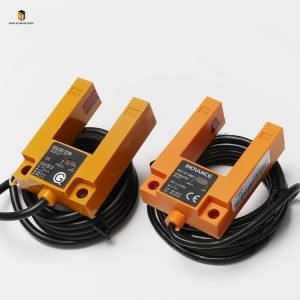
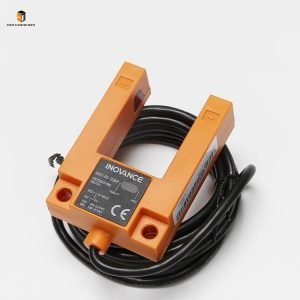
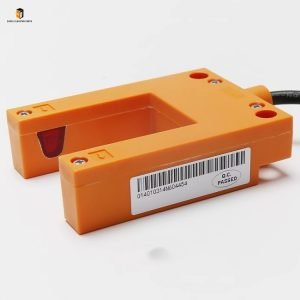
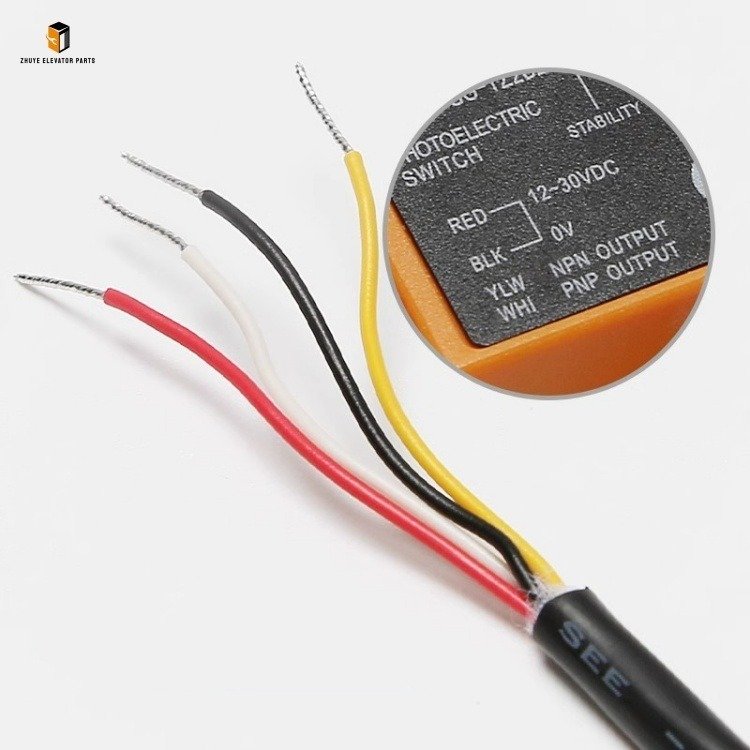
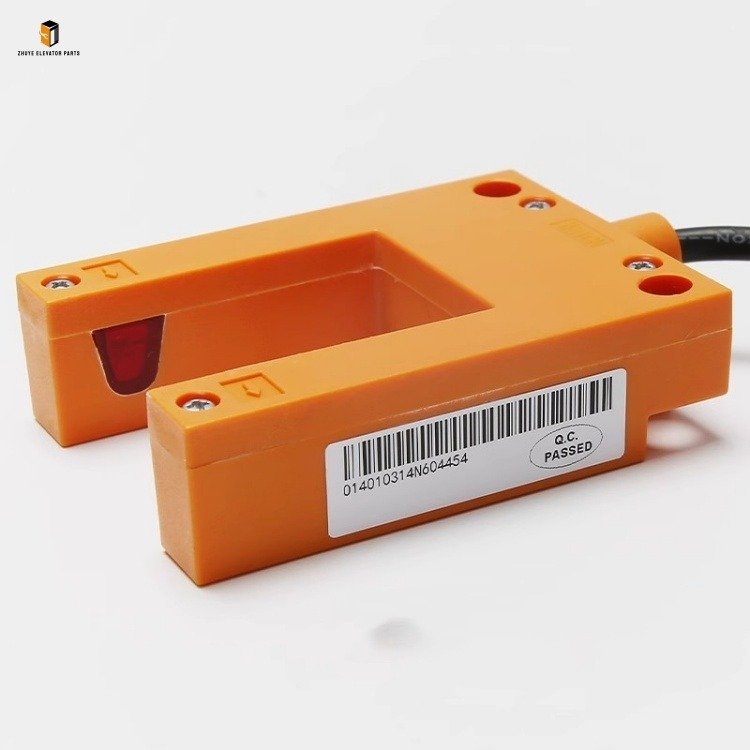
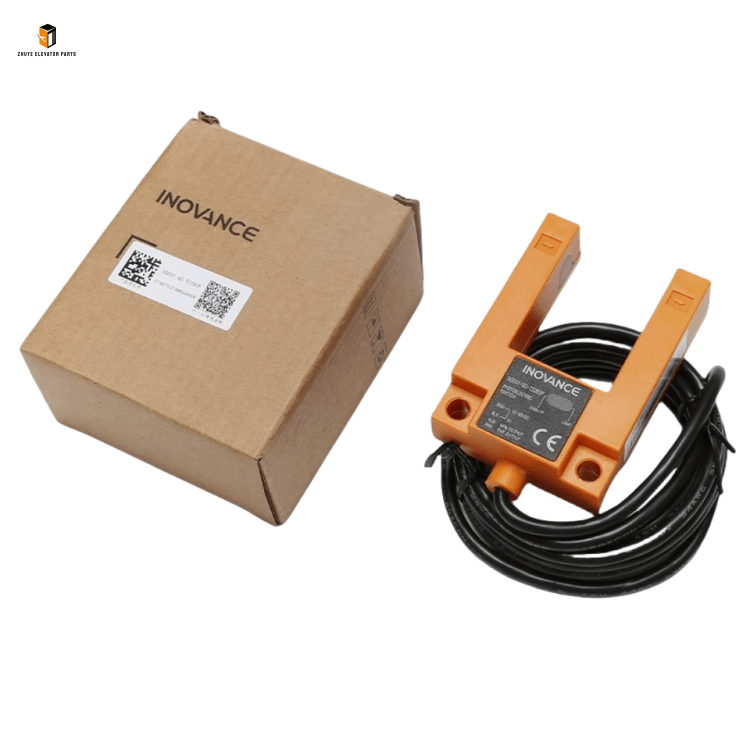
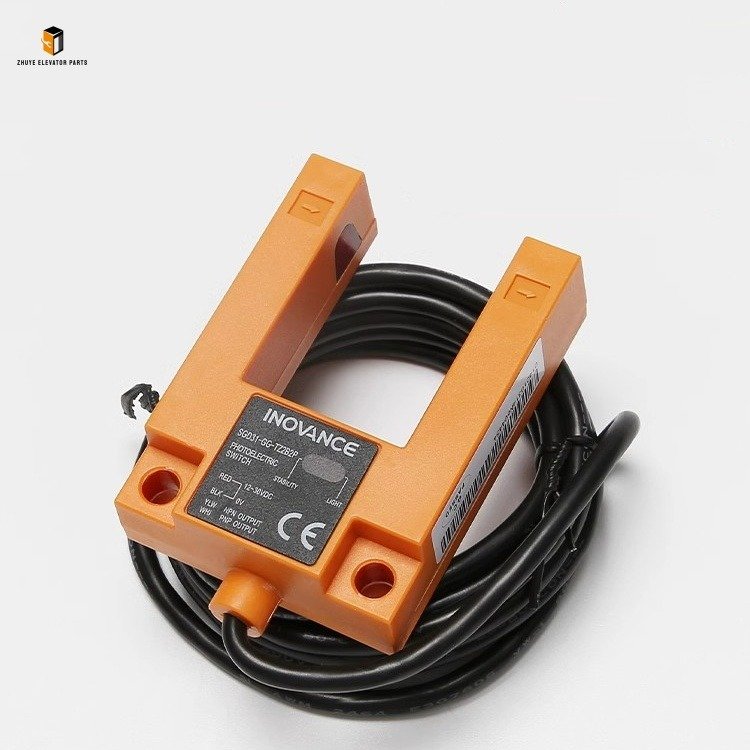
Elevator leveling sensor SGD31-GG-TZ2B2P Brief Introduction
|
Product Name |
Elevator leveling sensor |
| Model Number | SGD31-GG-TZ2B2P |
|
Quality
|
Original.Brand New
|
|
Payment
|
T/T. Paypal. Western Union
|
|
Delivery
|
3-5 Working Days
|
|
Packaging
|
Packed by carton
|
Elevator Leveling Sensor SGD31-GG-TZ2B2P: Precise Positioning Core from Nanjing Zhuye Elevatorparts
Elevator Leveling Sensor SGD31-GG-TZ2B2P is a critical positioning component for elevator systems, specifically designed to accurately detect the elevator car’s position relative to floor landings. As a core part of the elevator leveling control system, it transmits real-time position signals to the elevator controller—ensuring the car stops precisely at the landing (leveling error ≤ 3mm), facilitating passenger entry and exit, and protecting the elevator door system from damage due to misalignment. Compatible with mainstream elevator control systems (including Schindler, OTIS, and KONE), the SGD31-GG-TZ2B2P sensor is widely applicable to residential, commercial, and industrial elevators, playing an irreplaceable role in improving ride comfort and operational safety. Exclusively supplied by Nanjing Zhuye Elevatorparts, a professional provider of high-quality elevator electrical components, the Elevator Leveling Sensor SGD31-GG-TZ2B2P fully complies with international elevator safety standards (EN 81-20, GB 7588) and industrial sensor specifications. Manufactured with premium electronic components and precision sensing technology, it features excellent signal stability, anti-interference performance, and environmental adaptability, winning trust from global elevator maintenance teams and manufacturers.
Nanjing Zhuye Elevatorparts adheres to the core philosophy of “Precise Sensing, Stable Positioning” and implements strict quality control for the Elevator Leveling Sensor SGD31-GG-TZ2B2P. Each unit undergoes multi-stage pre-delivery inspections, including signal accuracy testing, anti-interference performance verification, temperature adaptability detection, and service life evaluation. The SGD31-GG-TZ2B2P sensor adopts advanced materials and technologies: It uses high-precision photoelectric or magnetic sensing principles (customizable based on elevator type) to ensure positioning accuracy; the signal output interface (NPN/PNP optional) is compatible with most elevator controllers, simplifying system integration; the shell is made of high-temperature resistant and anti-corrosion ABS plastic with IP54 protection rating, adapting to harsh environments in the shaft (-20℃ to 80℃, humidity 10%–95%); the internal circuit is equipped with surge protection and anti-electromagnetic interference (EMI) modules, avoiding signal distortion caused by elevator electrical system interference. The standardized installation structure and wiring interface enable quick replacement and debugging, reducing maintenance time for technicians.
Step-by-Step Usage Guide for Elevator Leveling Sensor SGD31-GG-TZ2B2P
Leveling Sensor SGD31-GG-TZ2B2PSlider Bracket & Door SliderDoor Contact EDC-92Hall Door Ball 32*17MMTo maximize the service life, operational stability, and user experience of the Elevator Red Square Button PB-12, strictly follow the professional guidelines provided by Nanjing Zhuye Elevatorparts for selection, installation, and maintenance:
1. Professional Selection & Pre-Installation Preparation
Installation must be performed by certified elevator electricians. Prior to selection, confirm the elevator’s control system model, sensing type requirement (photoelectric/magnetic), and signal output type (NPN/PNP) to ensure compatibility with the SGD31-GG-TZ2B2P sensor. Consult Nanjing Zhuye Elevatorparts’ technical team if unsure about matching. Preparation steps: Cut off the elevator’s main power supply and secondary power supply, and lock the power switch; place a “Maintenance in Progress” warning sign at the elevator entrance; fix the elevator car at a flat floor with mechanical supports; open the car top cover to expose the sensor mounting position; disconnect the wiring of the old sensor (take photos to record the wiring position); clean the mounting surface to remove dust, oil stains, and debris; prepare professional tools such as a screwdriver, multimeter, and level ruler.
PositionGuidanceSignalFunctionFunctionSignalSignalFunctionFunctionFunctionFunction2. Correct Installation & Precision Adjustment
-
Sensor Fixing: Take the Elevator Leveling Sensor SGD31-GG-TZ2B2P from Nanjing Zhuye Elevatorparts, align it with the preset mounting holes on the car top (ensure the sensing surface is perpendicular to the leveling plate on the shaft), and fix it with stainless steel screws (torque: 1.5–2.5N·m). Use a level ruler to confirm the sensor is installed horizontally without tilt—tilt will cause positioning deviation.
-
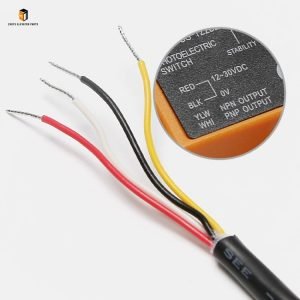
Wiring Connection: According to the recorded wiring position and Nanjing Zhuye Elevatorparts’ wiring manual, connect the power line, signal line, and ground line of the SGD31-GG-TZ2B2P sensor to the corresponding interfaces of the elevator controller. Clearly distinguish between positive and negative poles of the power supply and signal lines to avoid short circuits or signal failure. Tighten the wiring terminals firmly and use cable ties to organize the wire harness, avoiding contact with moving parts.
-
Position Calibration: Restore the secondary power supply, switch the elevator to inspection mode, and adjust the sensor’s height and horizontal position: When the car is at the standard leveling position, the sensor should accurately detect the leveling plate and output a stable signal (confirmed via multimeter or controller display). Fine-tune the sensor’s position to ensure the leveling error is within ≤ 3mm. Test the sensor’s response speed by moving the car up and down slightly—ensure the signal switches quickly without delay.
3. Post-Installation Testing & Daily Maintenance
-
Comprehensive Function Testing: Restore the elevator’s main power supply, operate the elevator to run up and down between all floors, testing the SGD31-GG-TZ2B2P sensor function: Confirm the car stops precisely at each landing (no obvious height difference), the door system opens normally, and there is no abnormal sound during leveling. Use the elevator controller’s self-diagnosis function to check for sensor signal faults.
-
Daily Inspection: Maintenance personnel should check the sensor during daily car top and shaft patrols: Observe the sensor shell for damage, deformation, or loose mounting screws; check the wiring terminals for looseness, oxidation, or disconnection; clean the sensing surface and leveling plate with a dry cloth to remove dust and debris (avoid using corrosive cleaning agents).
-
Regular Maintenance: Every 3 months, use a multimeter to test the sensor’s signal output stability and power supply voltage. Every 6 months, recheck the sensor’s mounting position and calibration accuracy—adjust if there is any deviation. For elevators in high-dust, high-humidity, or strong-interference environments, shorten the maintenance interval to 1 month and enhance dust-proof and anti-interference protection.
Recommended Replacement Cycle for Elevator Leveling Sensor SGD31-GG-TZ2B2P
As a core positioning component enduring long-term environmental erosion (dust, humidity, temperature changes), electrical interference, and mechanical vibration, the Elevator Leveling Sensor SGD31-GG-TZ2B2P has a specified service life. Timely replacement is crucial to avoiding faults such as signal drift, delayed response, or complete failure—issues that may lead to inaccurate elevator leveling, difficulty in opening/closing doors, or even elevator operation faults, affecting ride comfort and passenger safety.
1. Standard Replacement Cycle
Under normal operating conditions (elevator daily operation time 12–24 hours, operating environment temperature -20℃ to 80℃, humidity 10%–95%, no strong electromagnetic interference), the recommended replacement cycle for the Elevator Leveling Sensor SGD31-GG-TZ2B2P is 3–5 years. This cycle is determined based on Nanjing Zhuye Elevatorparts’ long-term field operation data, electronic component aging tests, and global user feedback on elevator sensors. The cycle fully considers the stability of the sensor’s internal electronic components and the impact of the shaft environment on sensing performance.
2. Adjustments for Special Scenarios
-
Harsh Environments & High Frequency: For elevators in harsh environments (e.g., coastal areas with high salt spray, industrial sites with strong dust/electromagnetic interference) or high-frequency operation (e.g., large shopping malls, airports with daily operation time ≥ 20 hours), the replacement cycle is shortened to 1.5–2.5 years. Harsh environments accelerate component corrosion and aging, while high-frequency use increases the load on internal circuits.
-
Stable Environments & Low Frequency: For elevators with low usage frequency (e.g., villa elevators, small office buildings with daily operation time < 8 hours) and stable shaft environments (constant temperature and humidity, little dust), the replacement cycle can be extended to5–7 years—only after Nanjing Zhuye Elevatorparts’ technicians inspect and confirm that the sensor’s signal accuracy, response speed, and insulation performance meet factory standards.
3. Immediate Replacement Conditions
Replace the Elevator Leveling Sensor SGD31-GG-TZ2B2P immediately if any of the following issues occur, regardless of its service life:
-
The sensor’s leveling error exceeds 5mm, leading to the elevator stopping unevenly (obvious height difference with the landing) and difficulty in opening/closing doors.
-
The sensor signal drifts or is unstable (manifested as intermittent leveling failure, frequent elevator restarting during leveling), and calibration cannot restore normal performance.
-
The sensor has no signal output (confirmed via multimeter), causing the elevator to fail to recognize the landing position and unable to stop normally.
-
The sensor shell is severely damaged, cracked, or corroded, and the internal circuit is exposed—losing basic protection and sensing functions, and posing potential short-circuit hazards.
In conclusion, the Elevator Leveling Sensor SGD31-GG-TZ2B2P from Nanjing Zhuye Elevatorparts is a high-quality, precision positioning component tailored for modern elevator systems. By following the correct selection, installation, maintenance, and replacement guidelines, elevator maintenance teams can effectively ensure the accurate and stable leveling of the elevator, improve ride comfort, and eliminate potential safety hazards caused by positioning failure. Choosing Nanjing Zhuye Elevatorparts means you get 100% authentic SGD31-GG-TZ2B2P sensors, plus professional support—including model matching, on-site calibration guidance, and prompt after-sales service. Trust Nanjing Zhuye Elevatorparts for the precise positioning of your elevator system.