



Description
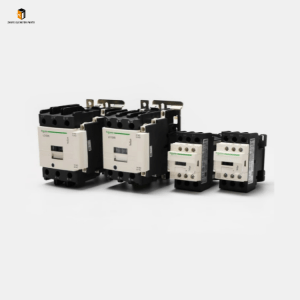
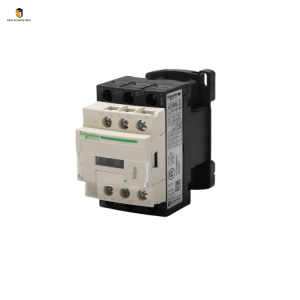
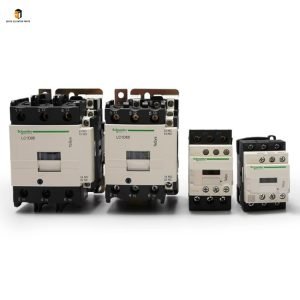
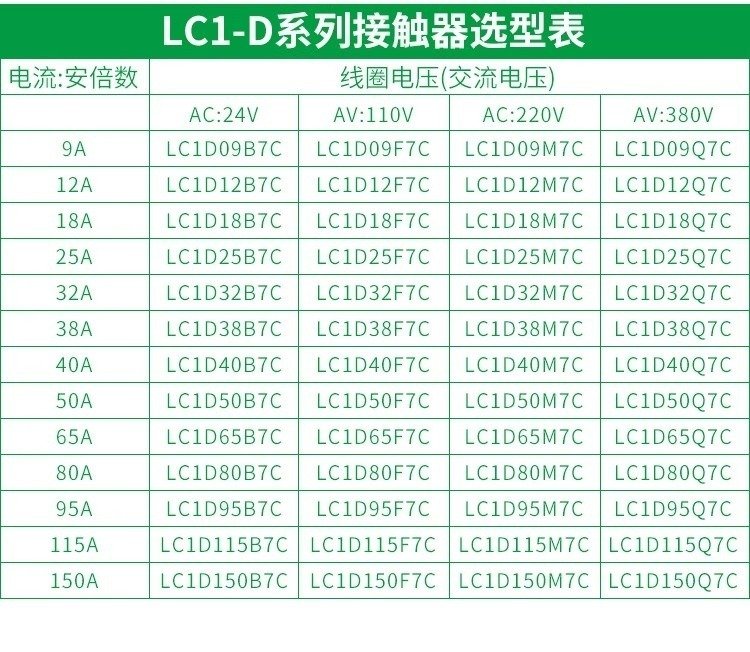
Elevator AC contactor LC1D09M7C/12F7C/18/50/40/32/25 Brief Introduction
|
Product Name |
Elevator AC contactor |
| Model Number | LC1D09M7C/12F7C/18/50/40/32/25 |
|
Quality
|
Original.Brand New
|
|
Payment
|
T/T. Paypal. Western Union
|
|
Delivery
|
3-5 Working Days
|
|
Packaging
|
Packed by carton
|
Elevator AC Contactor (LC1D09M7C/12F7C/18/50/40/32/25): Core Control Component from Nanjing Zhuye Elevatorparts
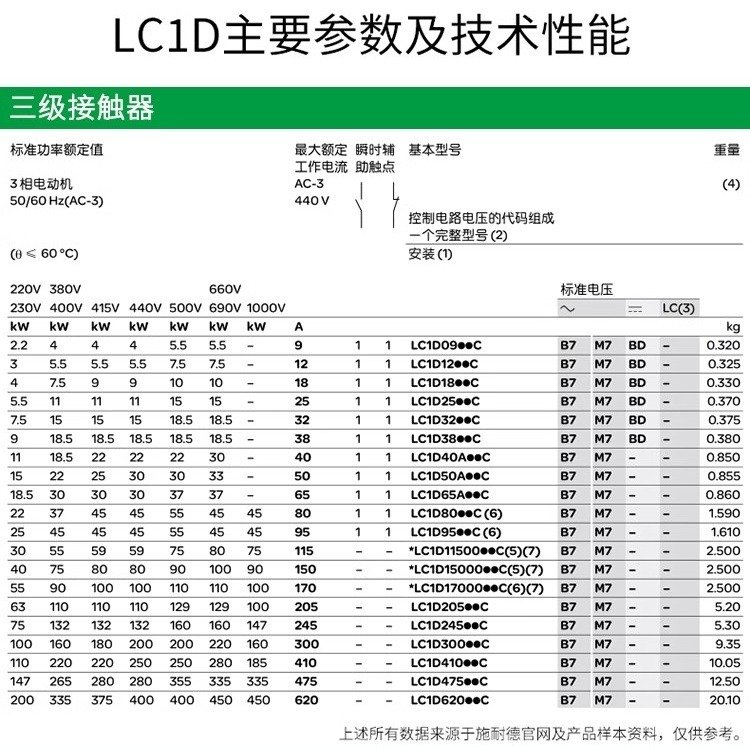
Elevator AC Contactor, covering multiple specifications including LC1D09M7C, LC1D12F7C, LC1D18, LC1D25, LC1D32, LC1D40, and LC1D50, is a core electrical control component for elevator systems. Tailored to match different elevator power requirements (0.75kW–75kW), it is widely used in elevator traction machines, door machines, and control cabinets to realize on/off control of AC circuits, ensuring stable operation of key components. The contactor integrates high-sensitive electromagnetic control and reliable contact switching functions, enabling rapid response to elevator controller signals—accurately controlling the start, stop, and direction change of the traction machine, as well as the opening and closing of the door machine. Compatible with mainstream elevator control systems (including Siemens, Schneider, and Mitsubishi), these multi-spec contactors are suitable for residential, commercial, and industrial elevators. Exclusively supplied by Nanjing Zhuye Elevatorparts, a professional provider of high-quality elevator electrical components, the Elevator AC Contactor (LC1D Series) fully complies with international electrical standards (IEC 60947-4-1, GB 14048.4) and elevator safety specifications. Manufactured with premium conductive materials and precision assembly technology, it features excellent electrical conductivity, high switching durability, and strong anti-interference ability, winning trust from global elevator maintenance teams and manufacturers.
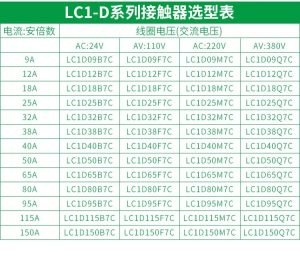
Nanjing Zhuye Elevatorparts adheres to the core philosophy of “Precise Control, Stable Switching” and implements strict quality control for the LC1D series elevator AC contactors. Each unit undergoes multi-stage pre-delivery inspections, including contact resistance testing, switching durability verification, insulation performance detection, and temperature rise evaluation. The contactor adopts advanced materials and technologies: the main contacts are made of silver-tin oxide alloy, ensuring low contact resistance (≤ 50mΩ) and excellent arc-extinguishing performance, supporting over 1 million times of reliable switching; the electromagnetic coil uses high-temperature resistant enameled wire, adapting to the working temperature range of -25℃ to 70℃ in the control cabinet; the shell is made of flame-retardant PC plastic with IP20 protection rating, effectively preventing dust and foreign objects from entering; the auxiliary contacts adopt a modular design, facilitating function expansion. The seven specifications cover different current ratings (9A–50A) and coil voltage types (AC220V, DC24V), enabling precise matching with elevator traction machines and door machines of various powers, simplifying selection for maintenance personnel.
Step-by-Step Usage Guide for Elevator AC Contactor (LC1D Series)
To maximize the control accuracylubrication effectervice life, guidance accuracy, and operational stability of Elevator AC Contactor (LC1D09M7C/12F7C/18/50/40/32/25)Car Emergency Lighting (COP Control Box Emergency Round Light)Guide Shoe Lining (230*10MM/230*16MM)Oil Cup & Oil Box, strictly follow the professional guidelines provided by Nanjing Zhuye Elevatorparts for selection, installation, and maintenance:
1. Professional Selection & Pre-Installation Preparation
Installation must be performed by certified elevator electricians. Prior to selection, refer to the elevator’s traction machine/door machine power, rated current, and coil voltage requirements to choose the matching LC1D series contactor (e.g., LC1D09M7C for 0.75kW door machines, LC1D50 for 75kW traction machines). Consult Nanjing Zhuye Elevatorparts’ technical team if unsure about compatibility. Preparation steps: Cut off the elevator’s main power supply and secondary power supply, and lock the power switch; place a “Maintenance in Progress” warning sign at the elevator entrance and control cabinet door; open the control cabinet cover and mark the wiring position of the old contactor (take photos for reference); clean the contactor mounting position in the control cabinet to remove dust, oil stains, and debris; prepare professional tools such as a screwdriver, wire stripper, multimeter, and torque wrench.
FunctionFunction2. Correct Installation & Precision Adjustment
-
Contactor Fixing: Take the matching-spec LC1D series contactor from Nanjing Zhuye Elevatorparts, align it with the preset mounting rails or holes in the control cabinet, and fix it with screws (torque: 4–6N·m). Ensure the contactor is installed vertically without tilting, and there is a gap of ≥ 10mm around it for heat dissipation.
-
Wiring Connection: According to the marked wiring position and Nanjing Zhuye Elevatorparts’ wiring manual, connect the main circuit wires (power input/output) to the main contacts of the contactor, and the control circuit wires (controller signal, coil power) to the auxiliary contacts and coil terminals. Distinguish between phase wires and neutral wires; ensure the wire cross-section matches the contactor’s current rating. Tighten the wiring terminals firmly to avoid poor contact due to loosening.
-
Function Test: Restore the secondary power supply first, and use a multimeter to test the coil voltage to confirm it is within the standard range (e.g., AC220V for LC1D09M7C, DC24V for LC1D12F7C). Send control signals through the elevator controller to test the contactor’s switching function—ensure the main and auxiliary contacts switch smoothly without jamming, and the action sound is clear. Restore the main power supply, switch to inspection mode, and operate the elevator to run up and down to confirm the contactor controls the traction machine/door machine normally.
3. Post-Installation Testing & Daily Maintenance
-
Regular Performance Testing: Conduct a comprehensive test every month: Use a multimeter to test the contact resistance of the main contacts (should be ≤ 50mΩ); check the coil voltage and current during operation to confirm they are normal; test the contactor’s response time to controller signals (should be ≤ 0.1s). For elevators in high-traffic areas, increase the test frequency to twice a month.
-
Daily Inspection: Maintenance personnel should check the contactor during daily control cabinet inspections: Observe the contactor’s shell for damage, deformation, or loose mounting; check the main/auxiliary contacts for oxidation, ablation, or blackening through the observation window; listen for abnormal noise during contactor action; clean the contactor surface and surrounding area with a soft brush to remove dust (avoid using compressed air to prevent dust from entering the internal mechanism).
-
Regular Maintenance: Every 3 months, tighten the wiring terminals of the contactor to prevent loosening due to vibration. Every 6 months, apply a small amount of contact cleaner to the auxiliary contacts (if oxidation is found) to restore conductivity; check the electromagnetic coil for insulation damage. For elevators in high-humidity or high-temperature environments, shorten the maintenance interval to 1 month and check the insulation performance of the contactor regularly.
Recommended Replacement Cycle for Elevator AC Contactor (LC1D Series)
As a core control component enduring long-term electrical arcing, mechanical vibration, high-temperature baking (in the control cabinet), and environmental erosion (humidity, dust), the LC1D series elevator AC contactor has a specified service life. Timely replacement is crucial to avoiding faults such as contact ablation, coil burnout, or switching failure—issues that may lead to elevator traction machine shutdown, door machine jamming, or even unexpected operation, posing serious safety risks to passengers and equipment.
1. Standard Replacement Cycle
Under normal operating conditions (elevator daily operation time 12–24 hours, daily switching times ≤ 1000, control cabinet temperature -25℃ to 70℃, humidity 10%–90%), the recommended replacement cycle for the LC1D series AC contactors (regardless of specification) is 3–5 years. This cycle is determined based on Nanjing Zhuye Elevatorparts’ long-term field operation data, contact wear tests, and global user feedback on elevator electrical components. The slight difference in specifications does not affect the standard cycle, as the service life is mainly determined by switching frequency and working environment.
2. Adjustments for Special Scenarios
-
High-Frequency Switching & Harsh Environments: For elevators with frequent start-stop (e.g., elevators in airports, large shopping malls with daily switching times ≥ 2000) or in harsh environments (e.g., coastal areas with high salt spray, industrial sites with strong electromagnetic interference), the replacement cycle is shortened to 1.5–2.5 years. High-frequency switching accelerates contact ablation, while harsh environments cause rapid aging of the coil and shell.
-
Low-Frequency Use & Stable Environments: For elevators with low usage frequency (e.g., villa elevators, small office buildings with daily operation time < 8 hours) and stable control cabinet environments (constant temperature and humidity, weak electromagnetic interference), the replacement cycle can be extended to5–7 years—only after Nanjing Zhuye Elevatorparts’ technicians inspect and confirm that the contact resistance, switching response, and coil insulation performance meet factory standards.
3. Immediate Replacement Conditions
LC1D series elevator AC contactorReplace the emergency lighting unit or battery immediately if any of the following issues occur, regardless of its service life:
-
The main contacts are severely ablated, blackened, or pitted, leading to contact resistance > 100mΩ or poor contact (manifested as abnormal heating or voltage drop).
-
The electromagnetic coil is burned out (no action when powered on) or has insulation damage (tested with a megohmmeter, insulation resistance < 1MΩ).
-
The contactor switches stuck or has delayed response, leading to abnormal operation of the traction machine or door machine (e.g., slow start, failure to stop).
-
The contactor’s shell is severely deformed, cracked, or corroded, and the internal mechanism is damaged, affecting its basic control function and safety.
In conclusion, the Elevator AC Contactor (LC1D09M7C/12F7C/18/50/40/32/25) from Nanjing Zhuye Elevatorparts is a high-quality, multi-spec core control component tailored for modern elevator systems. By following the correct selection, installation, maintenance, and replacement guidelines, elevator maintenance teams can effectively ensure the reliable operation of the elevator’s electrical control system, reduce control failures, and enhance overall operation safety and stability. Choosing Nanjing Zhuye Elevatorparts means you get 100% authentic LC1D series contactors, plus professional support—including specification matching, on-site wiring guidance, and prompt after-sales service. Trust Nanjing Zhuye Elevatorparts for the precise control of your elevator system.