


Description
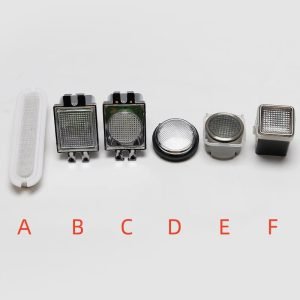
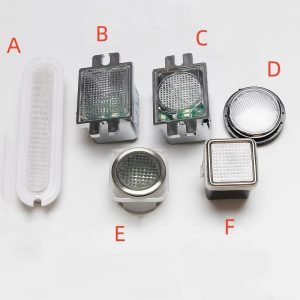
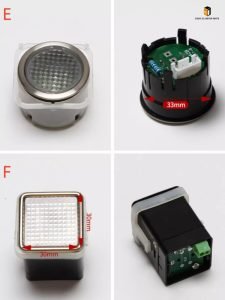
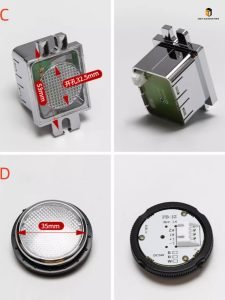
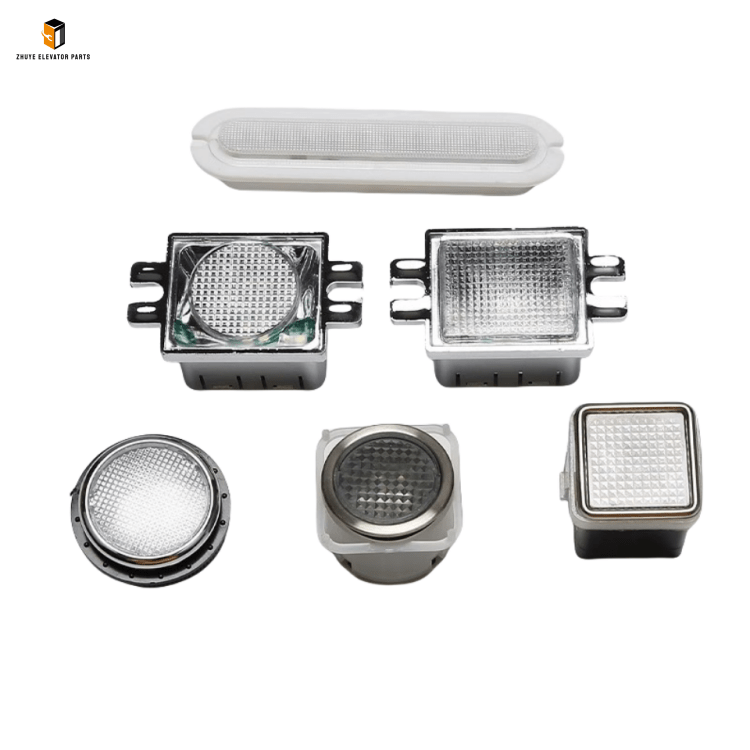
Elevator car emergency lighting COP control box emergency round light Brief Introduction
|
Product Name |
Elevator car emergency lighting |
| Model Number | COP control box emergency round light |
|
Quality
|
Original.Brand New
|
|
Payment
|
T/T. Paypal. Western Union
|
|
Delivery
|
3-5 Working Days
|
|
Packaging
|
Packed by carton
|
Elevator Car Emergency Lighting (COP Control Box Emergency Round Light): Safety Lighting Core from Nanjing Zhuye Elevatorparts
Elevator Car Emergency Lighting (COP Control Box Emergency Round Light) is a critical safety lighting component for elevator systems, integrated with the Car Operating Panel (COP) control box to provide continuous lighting for the car in case of main power failure. The round emergency light, with its uniform light distribution and high brightness, ensures passengers can clearly see the car interior, operation buttons, and emergency exit instructions, reducing panic and facilitating safe evacuation or waiting for rescue. It automatically switches to emergency mode within 0.5 seconds when the elevator’s main power is cut off, powered by a built-in rechargeable battery; it switches back to charging mode automatically when the main power is restored. Compatible with mainstream elevator COP control box models (including Mitsubishi, KONE, and Schindler), this emergency lighting is widely applicable to residential, commercial, and industrial elevators. Exclusively supplied by Nanjing Zhuye Elevatorparts, a professional provider of high-quality elevator electrical components, the Elevator Car Emergency Lighting (COP Control Box Emergency Round Light) fully complies with international elevator safety standards (EN 81-20, GB 7588) and electrical lighting component specifications. Manufactured with premium LED light sources and durable materials, it features long service life, low power consumption, and stable performance, winning trust from global elevator maintenance teams and manufacturers.
Nanjing Zhuye Elevatorparts adheres to the core philosophy of “Reliable Lighting, Safe Escort” and implements strict quality control for the elevator car emergency lighting. Each unit undergoes multi-stage pre-delivery inspections, including brightness testing, battery life verification, switching response speed detection, and environmental adaptability evaluation. The emergency lighting adopts advanced materials and technologies: the light source uses high-brightness LED beads with a luminous flux of ≥ 150lm and a color temperature of 4000K (natural white), ensuring clear visibility; the built-in lithium-ion battery has a capacity of 2200mAh, supporting continuous lighting for ≥ 90 minutes (meeting international safety requirements); the shell is made of flame-retardant PC plastic with IP54 protection rating, effectively resisting dust and moisture in the car; the COP control box integration module is designed with overcharge, over-discharge, and short-circuit protection functions, extending battery service life; the round lamp cover is made of frosted glass, avoiding glare and ensuring uniform light distribution. The standardized interface enables seamless matching with most elevator COP control boxes, simplifying installation and replacement.
Step-by-Step Usage Guide for Elevator Car Emergency Lighting (COP Control Box Emergency Round Light)
To maximize the lubrication effectervice life, guidance accuracy, and operational stability of Elevator Car Emergency Lighting (COP Control Box Emergency Round Light)Guide Shoe Lining (230*10MM/230*16MM)Oil Cup & Oil Box, strictly follow the professional guidelines provided by Nanjing Zhuye Elevatorparts for selection, installation, and maintenance:
1. Professional Selection & Pre-Installation Preparation
Installation must be performed by certified elevator technicians. Prior to selection, refer to the elevator’s COP control box model and installation dimension requirements, or consult Nanjing Zhuye Elevatorparts’ technical team to confirm compatibility. Preparation steps: Cut off the elevator’s main power supply and lock the power switch; place a “Maintenance in Progress” warning sign at the elevator entrance; open the COP control box cover and disconnect the internal power connection of the control box; clean the emergency light mounting position (inside the COP control box or car top) to remove dust, oil stains, and debris; prepare professional tools such as a screwdriver, multimeter, and wire stripper.
Function2. Correct Installation & Precision Adjustment
-
Fixing & Wiring: Take the emergency round light from Nanjing Zhuye Elevatorparts, align it with the preset mounting holes on the COP control box or car interior, and fix it with self-tapping screws (torque: 5–8N·m). According to the wiring manual provided by the brand, connect the emergency light’s power cord to the COP control box’s dedicated emergency power interface—distinguish between positive and negative poles to avoid short circuits. Tighten the wiring terminals firmly and use cable ties to fix the wire harness to avoid contact with other components in the control box.
-
Battery Activation: For new emergency lights, restore the elevator’s main power supply and activate the battery—let it charge continuously for 24 hours to ensure the battery is fully charged (the charging indicator on the light will turn green when fully charged). During charging, use a multimeter to test the input voltage to confirm it is within the standard range (DC 12V–24V).
-
Function Test: After full charging, cut off the main power supply to simulate a power failure—confirm the emergency light turns on automatically within 0.5 seconds and the brightness meets the requirement. Restore the main power supply and check if the light turns off automatically and switches to charging mode. Repeat the test 3–5 times to ensure the switching function is stable. Finally, close the COP control box cover and fix it firmly.
3. Post-Installation Testing & Daily Maintenance
-
Regular Function Testing: Conduct a power failure simulation test every month: Cut off the main power supply to check if the emergency light turns on normally and the brightness is stable; restore power after 5 minutes to confirm the charging function is normal. Record the test results to track the product’s performance. For elevators in high-traffic areas, increase the test frequency to twice a month.
-
Daily Inspection: Maintenance personnel should check the emergency light during daily car inspections: Observe the light’s shell for damage, cracks, or loose mounting; check the COP control box’s charging indicator to confirm it is working normally; clean the lamp cover with a soft, dry cloth to remove dust (avoid using corrosive cleaning agents, which may damage the frosted glass).
-
Battery Maintenance: Every 6 months, use a battery tester to check the built-in battery’s capacity—if the capacity is reduced by more than 30% compared to the factory standard, charge it for 48 hours continuously; if the capacity still does not recover, prepare to replace the battery. Keep the COP control box well-ventilated to avoid high temperature affecting battery life.
Recommended Replacement Cycle for Elevator Car Emergency Lighting (COP Control Box Emergency Round Light)
As a core safety component enduring long-term charging and discharging cycles, LED light source wear, environmental erosion (humidity, temperature changes), and car vibration, the elevator car emergency lighting has a specified service life. Timely replacement is crucial to avoiding faults such as failure to turn on during power failure, insufficient brightness, or short lighting time—issues that may lead to passenger panic, difficulty in evacuation, or violation of elevator safety operation regulations.
1. Standard Replacement Cycle
Under normal operating conditions (elevator daily operation time 12–24 hours, operating environment temperature -10℃ to 60℃, humidity 10%–90%), the recommended replacement cycle for the entire emergency lighting unit is 3–5 years, and for the built-in battery is1.5–2 years. This cycle is determined based on Nanjing Zhuye Elevatorparts’ long-term field operation data, LED light source aging tests, and battery life evaluations. The LED light source and battery are the core consumable components; the battery has a shorter cycle due to the limited number of charging and discharging times.
2. Adjustments for Special Scenarios
-
Harsh Environments & Frequent Power Failures: For elevators in harsh environments (e.g., coastal areas with high salt spray, high-humidity regions) or areas with frequent power failures (resulting in frequent battery charging and discharging), the replacement cycle for the entire unit is shortened to 2–3 years, and for the battery to 1 year. Harsh environments accelerate shell corrosion and internal component damage, while frequent charging and discharging shorten battery life.
-
Low-Frequency Use & Stable Environments: For elevators with low usage frequency (e.g., villa elevators, small office buildings with daily operation time < 8 hours) and stable operating environments (constant temperature and humidity, rare power failures), the replacement cycle for the entire unit can be extended to 5–6 years, and for the battery to 2–2.5 years—only after Nanjing Zhuye Elevatorparts’ technicians inspect and confirm that the LED brightness, battery capacity, and switching function meet factory standards.
3. Immediate Replacement Conditions
Replace the emergency lighting unit or battery immediately if any of the following issues occur, regardless of its service life:
-
The emergency light fails to turn on during power failure, or the brightness is significantly reduced (luminous flux < 50lm), failing to meet the lighting requirement.
-
The built-in battery’s continuous lighting time is less than 30 minutes (far below the 90-minute standard), even after full charging.
-
The emergency light cannot switch between normal and emergency modes automatically, or the switching response time exceeds 1 second.
-
The light’s shell is severely corroded, cracked, or deformed, or the wiring is aging and loose, posing potential safety hazards such as short circuits.
In conclusion, the Elevator Car Emergency Lighting (COP Control Box Emergency Round Light) from Nanjing Zhuye Elevatorparts is a high-quality, reliable safety lighting component tailored for modern elevator systems. By following the correct selection, installation, maintenance, and replacement guidelines, elevator maintenance teams can effectively ensure the emergency lighting system operates stably when needed, providing a safe lighting environment for passengers and complying with relevant safety regulations. Choosing Nanjing Zhuye Elevatorparts means you get 100% authentic emergency lighting products, plus professional support—including model matching, on-site installation guidance, and prompt after-sales service. Trust Nanjing Zhuye Elevatorparts for the safety lighting of your elevator car.